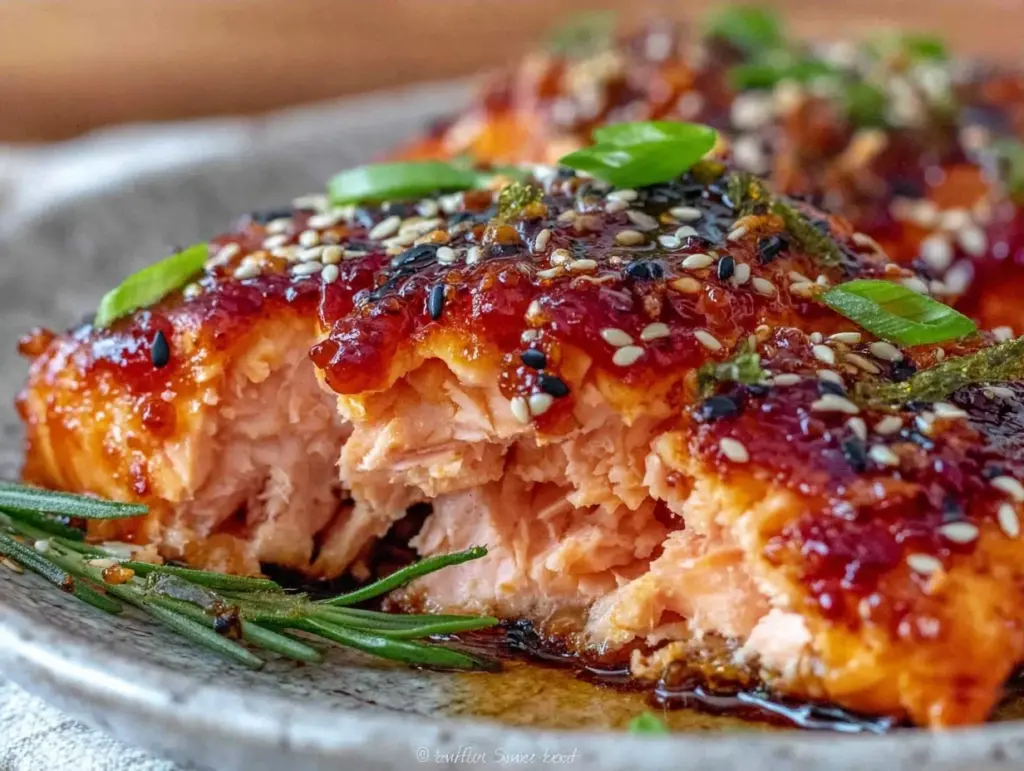
Last Thursday, I was staring at the clock. It was 6:15 PM, I had zero energy, and my kids were already arguing over who got the “better” side of the couch. My phone was hovering over the food delivery app, thumb twitching to order the usual spicy salmon bowl from that place down the street. You know the one. It’s always $18, always arrives lukewarm, and never quite hits that sweet spot of spicy-sweet-savory you crave.
But then I remembered I had three salmon fillets in the freezer, a bottle of gochujang in the back of my spice cabinet (bought on a whim three years ago and forgotten until now), and a jar of honey that was slowly turning into rock candy. I thought, “What’s the worst that could happen? I make a sad, spicy fish dinner.”
Turns out, the best thing that could happen. Because within 20 minutes, my kitchen smelled like a high-end Korean restaurant, and my kids—yes, my picky eaters—were scraping their plates clean. This gochujang honey glazed salmon is actually better than takeout because it’s fresh, it’s fast, and it costs a fraction of the price. I’ve made this at least a dozen times since that Thursday, and it has officially replaced my takeout routine. If you’re tired of spending $60 on dinner that arrives in a plastic container, you need to try this.
I know gochujang can be intimidating if you haven’t cooked with it before. It’s a fermented red chili paste that’s spicy, sweet, and umami-packed all at once. But here’s the secret: you don’t need a whole pantry of specialty ingredients. You just need this paste, some honey, a little soy sauce, and good fish. It’s basically the easiest, most flavorful dinner you’ll make all month.
Why You’ll Love This Gochujang Honey Glazed Salmon
I’ve been making weeknight dinners for years, and I’ve learned that the best recipes are the ones that don’t require a degree in culinary arts or a trip to three different specialty stores. This salmon recipe checks every single box for a budget-savvy, busy-parent dinner.
- Stupid Simple — Seriously, if you can whisk four ingredients in a bowl and brush them onto fish, you can make this. I’ve made this while holding a toddler on one hip. No fancy techniques, no complicated timing.
- Lightning Fast — 20 minutes from start to finish. The salmon cooks in the oven while you toss together a quick side. I make this on Tuesdays when I’m exhausted and need dinner to just work.
- Budget-Friendly — Salmon can be pricey, but buying a family pack and freezing what you don’t use immediately makes this very affordable per serving. Plus, you’re saving $20+ by not ordering takeout.
- Kid-Approved — The honey balances the heat of the gochujang perfectly. It’s not “fire” hot; it’s a warm, cozy spice. My kids think it’s just “sweet spicy fish,” and they ask for it regularly.
- One Pan Cleanup — Line your baking sheet with foil. Done. That’s it. You’re welcome.
This is my go-to when I need dinner to just work. No stress, no weird ingredients, just reliable, delicious food that makes everyone happy. And if you want to pair it with something else, this crispy honey garlic chicken wings is another great option for when you want that same sweet-spicy kick but with poultry.
Ingredients You’ll Need
Here’s the best part: you probably have most of this already. I’m particular about three ingredients here, and I’ll tell you exactly why, but the rest is pantry staples.
For the Salmon
Salmon fillets (1.5 to 2 pounds / 680-900g) — I buy the family pack from the grocery store and freeze the portions I won’t use that night. Wild-caught is nicer, but farmed is perfectly fine and cheaper for weeknight meals. Look for fillets that are about 1-inch thick so they cook evenly.
Neutral oil (1 tablespoon / 15ml) — I use vegetable or canola oil. You just need a little bit to keep the fish from sticking to the pan. Olive oil works too, but its flavor can clash with the gochujang.
For the Glaze
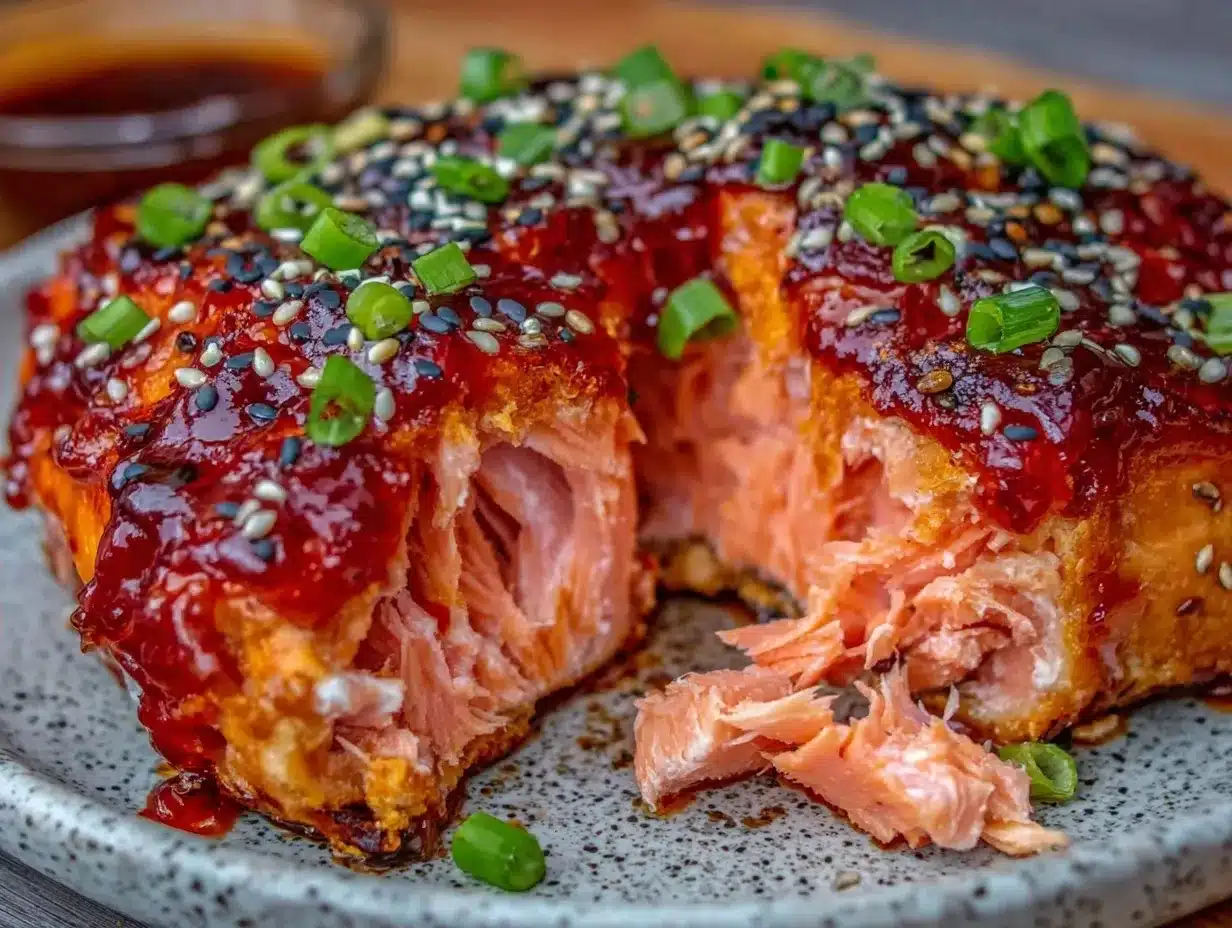
Gochujang (3 tablespoons / 45g) — This is the star. It’s a Korean chili paste. Don’t use gochugaru (flakes) or chili powder. You need the thick, red paste. I keep a jar of this in my fridge at all times. If you can’t find it, check the Asian aisle or order it online—it lasts forever.
Honey (3 tablespoons / 45ml) — Yes, equal parts gochujang and honey. The honey cuts the saltiness and heat. I use regular honey. Maple syrup works in a pinch, but honey gives it that glossy, sticky finish.
Soy sauce (1 tablespoon / 15ml) — Adds salt and umami. Use regular soy sauce, not low-sodium if you can help it, because the gochujang is already salty. Tamari for gluten-free.
Rice vinegar (1 teaspoon / 5ml) — Just a splash to balance the sweetness. If you don’t have rice vinegar, white wine vinegar or even apple cider vinegar works. Don’t skip this; it keeps the sauce from being cloying.
Sesame oil (1 teaspoon / 5ml) — Adds that nutty aroma. Again, a little goes a long way. If you don’t have it, it’s okay, but it really elevates the flavor.
Garlic (2 cloves, minced) — Fresh garlic only. No jarred stuff here. It adds a sharp bite that balances the sweet sauce.
For Garnish
Green onions (2 stalks, sliced) — For color and a fresh crunch. I use the white parts in the sauce if I’m feeling fancy, but the green tops are perfect on top.
Sesame seeds (1 tablespoon) — Toasted sesame seeds are best. They add texture and look pretty. White or black, doesn’t matter. I just grab whatever I have.
Optional Add-ins — I sometimes add a pinch of red pepper flakes if I want it spicier, or a little grated ginger for warmth. But honestly? The base recipe is perfect as is.
Equipment Needed
You don’t need fancy equipment for this. Here’s what I actually use.
Baking sheet — I use a standard half-sheet pan. It fits four fillets comfortably. If you have a smaller oven, you might need two pans.
Aluminum foil — Line the baking sheet. This is non-negotiable for easy cleanup. The glaze gets sticky and caramelizes, and scrubbing a pan is the worst.
Small bowl — For whisking the glaze. Any small bowl works.
Pastry brush — Or a silicone basting brush. I use a cheap one from the dollar store. A spoon works too, but a brush gets into the nooks and crannies.
Knife and cutting board — For prepping the green onions and garlic.
How to Make It: Step-by-Step
Alright, let’s make this! I’m walking you through exactly how I do it, including the little tricks I’ve picked up over the years.
Step 1: Prep Your Oven and Pan (2 minutes)
Preheat your oven to 400°F (200°C). Line a large baking sheet with aluminum foil and lightly grease it with your neutral oil. I spray it with cooking spray just to be safe. This ensures nothing sticks and cleanup is a breeze.
Step 2: Make the Glaze (3 minutes)
In a small bowl, whisk together the gochujang, honey, soy sauce, rice vinegar, sesame oil, and minced garlic. It should look like a thick, glossy, deep red paste. Taste it—it should be sweet, spicy, and savory. If it’s too spicy, add a tiny bit more honey. If it’s too sweet, add a drop more soy sauce.
Step 3: Prep the Salmon (2 minutes)
Pat your salmon fillets dry with paper towels. This is important! Moisture is the enemy of good glaze. If the fish is wet, the sauce will slide off. Place the fillets on your prepared baking sheet, leaving a little space between them.
Step 4: Glaze and Bake (12-15 minutes)
Brush a generous layer of the gochujang honey glaze over the top of each fillet. Don’t skimp! You want it fully coated. Place the pan in the preheated oven. Bake for 12-15 minutes, depending on the thickness of your fillets. The salmon is done when it flakes easily with a fork and is opaque throughout. You want it moist, not dry.
Pro Tip: If you like a bit of char, switch the oven to broil for the last 1-2 minutes. Watch it like a hawk! It goes from perfect to burnt in seconds. I usually skip the broil to keep it simple, but it looks restaurant-style if you do it.
Step 5: Garnish and Serve
Remove from the oven. Sprinkle with sliced green onions and toasted sesame seeds. The heat from the fish will wake up the sesame seeds and make them smell amazing. Serve immediately.
Expert Tips & Tricks
Here’s everything I’ve learned from making this dozens of times. These tips will save you from my mistakes.
Don’t Overcook the Salmon
Salmon continues to cook a bit after it comes out of the oven. Pull it when it’s just barely opaque in the center. It will finish cooking on the plate. Overcooked salmon is dry and rubbery, and no amount of sauce can fix that.
Toast Your Sesame Seeds
If you have five extra minutes, toast your sesame seeds in a dry pan over medium heat until they’re fragrant and lightly golden. It makes a huge difference in flavor. Raw seeds are fine, but toasted is better.
Adjust the Heat
Gochujang varies by brand. Some are spicier than others. If you’re cooking for kids or people sensitive to spice, start with 2 tablespoons of gochujang and add more to taste. You can always add heat, but you can’t take it away.
Double the Glaze
I often make double the glaze. I use the extra as a dipping sauce for vegetables or a drizzle over rice. It’s too good to waste.
Use a Thermometer
If you’re worried about undercooking, use an instant-read thermometer. Salmon is perfect at 145°F (63°C). But honestly, the flake test is usually enough for me.
Variations & Substitutions
Once you’ve nailed the basic version, here’s how you can mix it up. I’ve tried all of these.
Air Fryer Version
Yes, you can make this in the air fryer! Cook at 400°F for 8-10 minutes. The salmon gets slightly crispier on the edges. Just check it early because air fryers vary.
Shrimp Version
Swap the salmon for large shrimp. Cook for 5-7 minutes. The glaze works perfectly with shrimp too. I make this version when I want something lighter.
Tofu Version
Use firm tofu, pressed and cubed. Toss the cubes in the glaze and bake at 400°F for 20 minutes, flipping halfway. It’s a great vegetarian option. The glaze sticks to the tofu beautifully.
No Gochujang?
If you absolutely can’t find gochujang, you can substitute 1 tablespoon of sriracha or chili garlic sauce with 1 tablespoon of brown sugar and 1 teaspoon of soy sauce. It won’t be the same depth, but it’ll still be tasty.
Side Dish Pairing
This pairs perfectly with steamed jasmine rice, which soaks up the extra sauce. I also like serving it with a simple cucumber salad or roasted broccoli. If you need a side that’s easy and budget-friendly, try this easy budget-friendly bacon ranch potato salad—it’s a crowd-pleaser and stretches well.
Serving & Storage
How to Serve:
I serve this straight from the baking sheet. It looks rustic and stays warm. Pair it with rice, quinoa, or noodles. I also like a simple green salad with sesame dressing to cut through the richness.
Storage:
Store leftovers in an airtight container in the fridge for up to 3 days. The glaze thickens as it cools, which is normal.
Reheating:
Reheat gently in the microwave with a splash of water or cover with a damp paper towel to keep it moist. Or, reheat in a skillet over low heat. Avoid the oven unless you’re reheating a large batch, as it can dry out the edges.
Freezing:
I don’t recommend freezing cooked salmon. The texture changes. But you can freeze raw, glazed salmon fillets for up to 2 months. Just thaw in the fridge overnight and bake as directed.
Meal Prep Tip:
I often prep the glaze on Sunday and store it in a jar. When I’m ready to cook, I just brush it on. It saves so much time during the week.
Nutrition Information
I’m not a nutritionist, but here’s the breakdown if you’re tracking. This is per serving (based on 4 servings).
| Nutrient | Amount |
|---|---|
| Calories | 380 |
| Protein | 34g |
| Carbs | 12g |
| Fat | 22g |
| Sugar | 10g |
| Sodium | 650mg |
What’s Good:
High in protein and omega-3s from the salmon. The honey adds natural sweetness without refined sugar (well, mostly). It’s a nutrient-dense meal.
What to Know:
Higher in sodium due to the gochujang and soy sauce. If you’re watching sodium, use low-sodium soy sauce and reduce the gochujang slightly. It’s still tasty.
My Take:
This is a healthy-ish treat. It’s not “diet food,” but it’s way better than greasy takeout. I love that it’s packed with protein and healthy fats. When I want to make it lighter, I serve it with extra vegetables instead of rice. But usually? I just enjoy a reasonable portion and feel good about it.
Final Thoughts
So that’s my go-to gochujang honey glazed salmon! I’ve probably talked your ear off at this point, but when you make a recipe this often, you have a lot to say about it.
This has saved weeknight dinners more times than I can count. It’s my answer to “what’s for dinner” when I’m tired, don’t want takeout, and still want something that tastes really good. My kids are happy, my husband’s happy, and I’m happy because I’m not stressed about cooking.
Make it yours! Try different add-ins, swap in your favorite vegetables, adjust the garlic (though more is always better in my opinion). The best recipes are the ones you adapt to your family’s tastes.
If you make this, drop a comment and let me know what you think! I love hearing how recipes turn out in your kitchen. And if something doesn’t work, tell me that too—I’m here to help troubleshoot.
Happy cooking! And I hope your kitchen smells half as good as mine does right now.
Frequently Asked Questions
Q: Can I use salmon steaks instead of fillets?
A: You can, but steaks have a bone in the middle and thicker skin. They take longer to cook, usually 20-25 minutes. Make sure to check for doneness with a fork. Fillets are easier for beginners because they cook faster and more evenly.
Q: My sauce came out too spicy—what happened?
A: Gochujang can vary in heat. If it’s too spicy for your taste, add more honey or a splash of water to dilute it next time. For this batch, serve it with plenty of rice to balance the heat. The kids usually love the spicy part anyway!
Q: Can I make this ahead for a dinner party?
A: Yes! Prep the glaze up to 2 days ahead and store in the fridge. Prep the salmon and glaze it right before baking. Salmon is best fresh from the oven, so don’t bake it too early. It’ll be slightly less perfect, but still delicious.
Q: Why did my salmon stick to the pan?
A: Either the pan wasn’t greased enough, or the fish wasn’t patted dry. Moisture causes sticking. Make sure to use foil and grease it well, and pat the salmon dry with paper towels before adding the glaze.
Q: Can I use sriracha instead of gochujang?
A: You can, but the flavor will be different. Sriracha is vinegar-forward and thinner. You’ll need to thicken the sauce with a little cornstarch or just reduce it longer on the stove before brushing. Gochujang has a deeper, fermented flavor that’s hard to replace.
Q: How do I reheat leftovers without it getting dry?
A: Add a splash of water or broth to a skillet, add your leftover salmon, and heat gently over low heat, covered. The steam keeps it moist. Microwave works too, but cover it with a damp paper towel.
Q: Can I double this recipe?
A: Absolutely! Double everything and use two baking sheets. You might need to rotate the pans halfway through baking for even cooking. I do this when I’m meal-prepping or feeding a crowd.
Pin This Recipe!
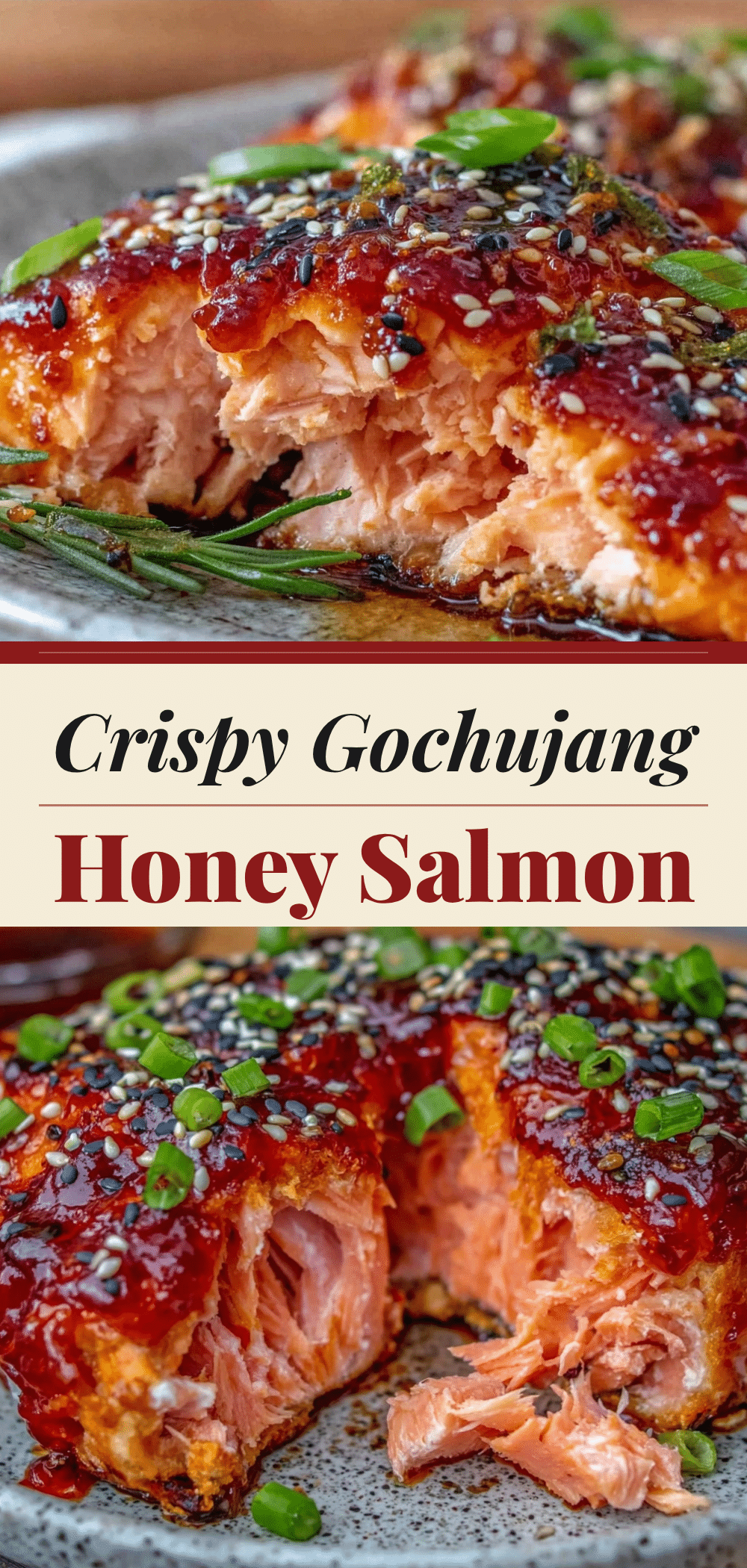

Gochujang Honey Glazed Salmon: 5-Ingredient Family Dinner
- Total Time: 20 minutes
- Yield: 4 servings 1x
Description
A quick, 20-minute weeknight dinner featuring salmon fillets coated in a sweet, spicy, and savory gochujang honey glaze. This budget-friendly, one-pan meal is kid-approved and easier than takeout.
Ingredients
- 1.5 to 2 pounds salmon fillets (about 1-inch thick)
- 1 tablespoon neutral oil (vegetable or canola)
- 3 tablespoons gochujang (Korean chili paste)
- 3 tablespoons honey
- 1 tablespoon soy sauce (or tamari for gluten-free)
- 1 teaspoon rice vinegar
- 1 teaspoon sesame oil
- 2 cloves garlic, minced
- 2 stalks green onions, sliced (for garnish)
- 1 tablespoon toasted sesame seeds (for garnish)
Instructions
- Preheat oven to 400°F (200°C). Line a large baking sheet with aluminum foil and lightly grease with neutral oil.
- In a small bowl, whisk together gochujang, honey, soy sauce, rice vinegar, sesame oil, and minced garlic until smooth.
- Pat salmon fillets dry with paper towels and place them on the prepared baking sheet.
- Brush a generous layer of the glaze over the top of each salmon fillet.
- Bake for 12-15 minutes, or until the salmon flakes easily with a fork and is opaque throughout. Optional: Broil for the last 1-2 minutes for a charred finish.
- Remove from oven and sprinkle with sliced green onions and toasted sesame seeds. Serve immediately.
Notes
Pat salmon dry before glazing to ensure the sauce sticks. Gochujang heat varies by brand; adjust honey or gochujang amounts to taste. Do not overcook salmon as it continues to cook after removal from the oven. Leftovers can be stored in the fridge for up to 3 days.
- Prep Time: 7 minutes
- Cook Time: 15 minutes
- Category: Main Course
- Cuisine: Korean
Nutrition
- Serving Size: 1 fillet per serving
- Calories: 380
- Sugar: 10
- Sodium: 650
- Fat: 22
- Saturated Fat: 3
- Carbohydrates: 12
- Protein: 34
Keywords: gochujang salmon, honey glazed salmon, quick dinner, weeknight meals, family dinner, healthy salmon, spicy sweet glaze, one pan meal