I still remember the first time I tried to make Pad Thai at home. It was a Tuesday night, I was exhausted, and I had zero interest in ordering takeout that would cost me $25 for a plate of noodles that looked like they’d been sitting under a heat lamp for an hour. So, I attempted to recreate it. I bought rice noodles, found some tamarind paste, and threw everything into a wok.
The result? A sticky, sweet, salty mess that was… edible, but not great. The noodles clumped together, the sauce was too thin, and it lacked that deep, complex umami punch you get from a real Thai restaurant. I was ready to give up. I was ready to just order the delivery again.
But then I stopped overthinking it. I realized that restaurant Pad Thai isn’t magic—it’s just balance. Sweet, sour, salty, and a little bit of heat. And once I figured out how to get the tamarind sauce right without spending a fortune on fancy ingredients I’d never use again, everything changed.
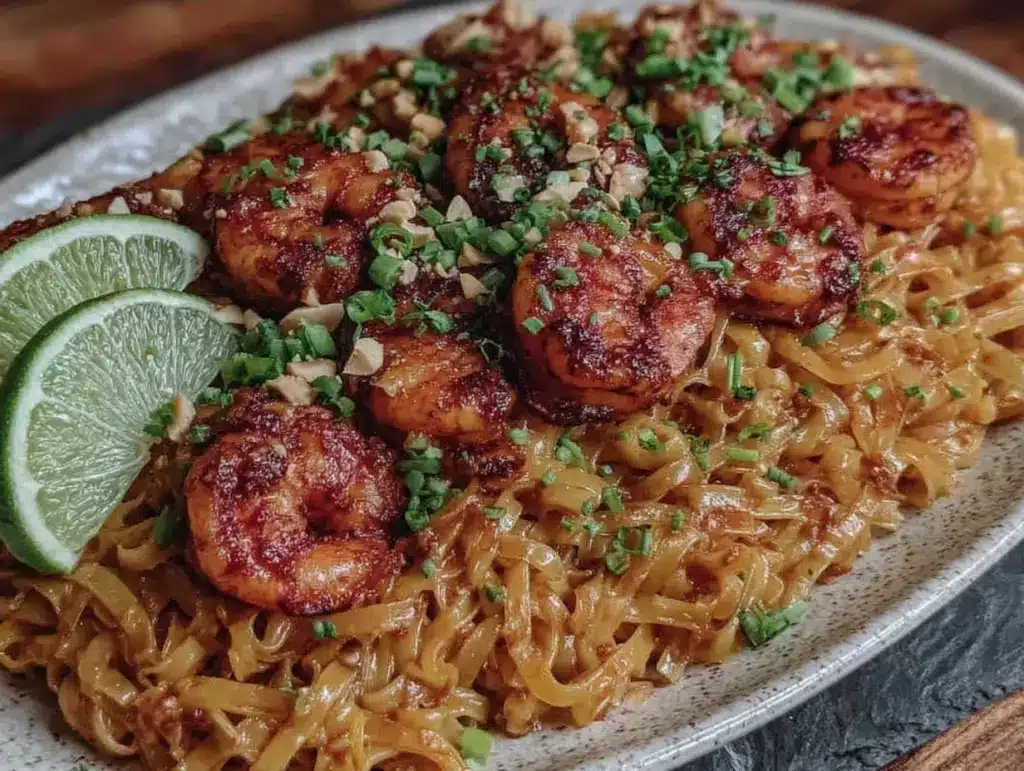
Now, this Restaurant-Style Pad Thai with Tamarind Sauce you’ll make on repeat is my secret weapon. It’s faster than waiting for a driver, costs less than half of what a restaurant charges, and tastes better because I control the quality of the ingredients. My kids, who usually pick at their food, clean their plates. My husband asks for it almost every week. It’s become a staple in our house, right up there with our Sunday roast and my creamy marry me chicken.
If you’ve been intimidated by the idea of making Pad Thai from scratch, trust me: it’s easier than you think. You don’t need a professional wok or a team of sous chefs. You just need a few simple ingredients, a little bit of technique, and the willingness to stir-fry at high heat. Let’s get into it.
Why You’ll Love This Pad Thai Recipe
There are a dozen reasons this Restaurant-Style Pad Thai with Tamarind Sauce you’ll make on repeat has taken over our weeknight dinners, but here are the ones that actually matter when you’re tired after work:
- It’s Stupidly Fast — From the moment you start chopping to the moment you’re eating, it takes about 25 minutes. That’s less time than it takes to scroll through delivery apps and wait for a driver. I’ve made this after getting home at 7pm, and it’s ready before the pizza place even answers the phone.
- Budget-Friendly — Seriously. Feeding four people with this recipe costs me about $12-$15. That’s a fraction of the $40 I’d spend at a Thai restaurant. The noodles are cheap, the veggies are seasonal, and the protein is flexible. If you’re looking for other budget wins, this pairs perfectly with my labor day potato salad for a full, affordable meal.
- Pantry Staples — You probably have 80% of this already. Rice noodles, eggs, peanuts, green onions, and basic sauces. The only “special” item is tamarind paste, but it lasts forever in the fridge, so you only buy it once.
- Kid-Approved — My picky eaters love it because it’s sweet and savory, and the noodles are easy to chew. Plus, you can leave out the chili flakes if you want it mild. It’s a win-win.
- Customizable — Hate shrimp? Use chicken. Vegan? Skip the eggs and use tofu. This recipe bends to your family’s tastes without falling apart.
This is my go-to when I need dinner to just work. No complicated techniques, no weird ingredients, just reliable, delicious food that makes everyone happy.
Ingredients You’ll Need
Here’s the best part: you probably have most of this already. The key to Restaurant-Style Pad Thai with Tamarind Sauce you’ll make on repeat is getting the balance of flavors right, and that comes down to these specific items.
For the Noodles
Rice noodles (8 ounces / 225g) — Look for flat rice noodles, about 1/4-inch wide. They’re often in the Asian aisle. Do not use vermicelli (the thin kind) or wide rice sheets (pho noodles). The medium flat noodles are the sweet spot for Pad Thai. I buy the Pad Thai specific ones because they cook evenly.
For the Sauce (The Most Important Part)
Tamarind paste (3 tablespoons / 45g) — This is the sour backbone of the dish. Buy the block of paste, not the concentrate liquid. You’ll need to mix it with warm water to make a syrup. It gives that authentic tangy flavor you can’t get from lime juice alone.
Fish sauce (3 tablespoons / 45ml) — Don’t be scared of the smell. It smells strong straight from the bottle, but it cooks into a savory, salty depth that salt alone can’t achieve. I use Red Boat brand because it’s pure and clean. If you need a vegetarian option, use soy sauce or tamari, though it won’t be quite the same.
Brown sugar (2 tablespoons / 30g) — Packed. Brown sugar adds that molasses-rich sweetness that balances the tamarind. White sugar works in a pinch, but brown is better.
Rice vinegar (1 tablespoon / 15ml) — Adds a little extra brightness. If you don’t have it, skip it. The tamarind provides enough sourness.
For the Stir-Fry
Vegetable oil (2 tablespoons) — I use canola or avocado oil. You need a high smoke point because you’re cooking fast.
Eggs (2 large) — Scrambled into the noodles. They add protein and richness. I like to push them to the side of the wok and scramble them separately before mixing back in.
Garlic (3 cloves, minced) — Fresh only. Jarred garlic has a weird metallic taste that doesn’t work here.
Firm tofu (8 ounces, cubed) — Optional, but I add it for extra protein and to stretch the meal. Press it first so it crisps up in the wok. If you prefer meat, honey chipotle grilled chicken skewers is a great leftover protein to chop up and use here.
Shrimp (4 ounces, peeled and deveined) — Optional. If you use shrimp, add them early. If you stick to tofu and eggs, skip this.
Bean sprouts (1 cup) — Fresh bean sprouts add crunch. Don’t cook them too long, or they get soggy.
Green onions (3 stalks, chopped) — For garnish and freshness.
Roasted peanuts (1/4 cup, crushed) — For crunch and nutty flavor. You can use peanuts, cashews, or even crushed peanuts from the snack aisle.
Lime wedges — For serving. Essential for that fresh squeeze at the end.
Red pepper flakes — Optional, for heat. Start with a pinch.
Equipment Needed
You don’t need fancy equipment for this. Here’s what I actually use.
Large Wok or Skillet — I use a 12-inch carbon steel wok. It heats evenly and has high sides to toss noodles. If you don’t have a wok, a large non-stick skillet or Dutch oven works fine. Just make sure it’s big enough to hold the noodles without crowding.
Large Pot — For boiling the rice noodles. A regular pasta pot is perfect.
Colander — For draining noodles and bean sprouts.
Sharp Knife — For chopping garlic, green onions, and tofu. A dull knife makes mincing garlic a pain.
Measuring Spoons — For the sauce. Precision matters here for the sweet-sour balance.
Wooden Spoon or Spatula — For stirring and tossing. Silicone works too.
How to Make It: Step-by-Step
Alright, let’s make this! I’m walking you through exactly how I do it, including the little tricks I’ve picked up.
Step 1: Prep the Noodles (5 minutes)
Place the rice noodles in a large bowl and cover them with hot tap water. Let them soak for 20-30 minutes until they are soft and pliable. Do not boil them yet! Boiling them too early makes them mushy. Drain and set aside. If they are too long, cut them in half with scissors.
Step 2: Make the Tamarind Sauce (5 minutes)
In a small bowl, mix the tamarind paste with 1/4 cup of warm water. Stir until dissolved, then strain out any seeds or pulp if you want it smooth (I skip straining for texture). Add the fish sauce, brown sugar, and rice vinegar. Whisk until the sugar is dissolved. Taste it. It should be a balance of sour and sweet. If it’s too sour, add more sugar. If it’s too sweet, add more tamarind or lime juice.
Step 3: Prep the Protein and Veggies (5 minutes)
If using tofu, press it with paper towels to remove excess water. Cube it. Mince the garlic. Chop the green onions. Peel and devein the shrimp if using. Have everything ready because stir-frying moves fast.
Step 4: Stir-Fry the Protein (5 minutes)
Heat the oil in your wok or skillet over medium-high heat. Add the tofu (and shrimp if using). Cook until the tofu is golden brown on all sides and the shrimp are pink. Remove them from the wok and set aside on a plate. This prevents them from overcooking while you cook the noodles.
Step 5: Cook the Aromatics and Eggs (2 minutes)
In the same wok, add a little more oil if needed. Add the garlic and stir for 30 seconds until fragrant. Push the garlic to the side, crack the eggs into the empty space, and scramble them. Once they’re mostly set but still soft, mix them with the garlic.
Step 6: Combine Everything (5 minutes)
Add the soaked rice noodles to the wok. Pour the tamarind sauce over the noodles. Add the cooked tofu/shrimp back in. Toss everything together vigorously. The noodles will absorb the sauce and darken in color. If the noodles seem dry, add a splash of water. Cook for 2-3 minutes until the noodles are tender and coated.
Step 7: Finish and Serve (2 minutes)
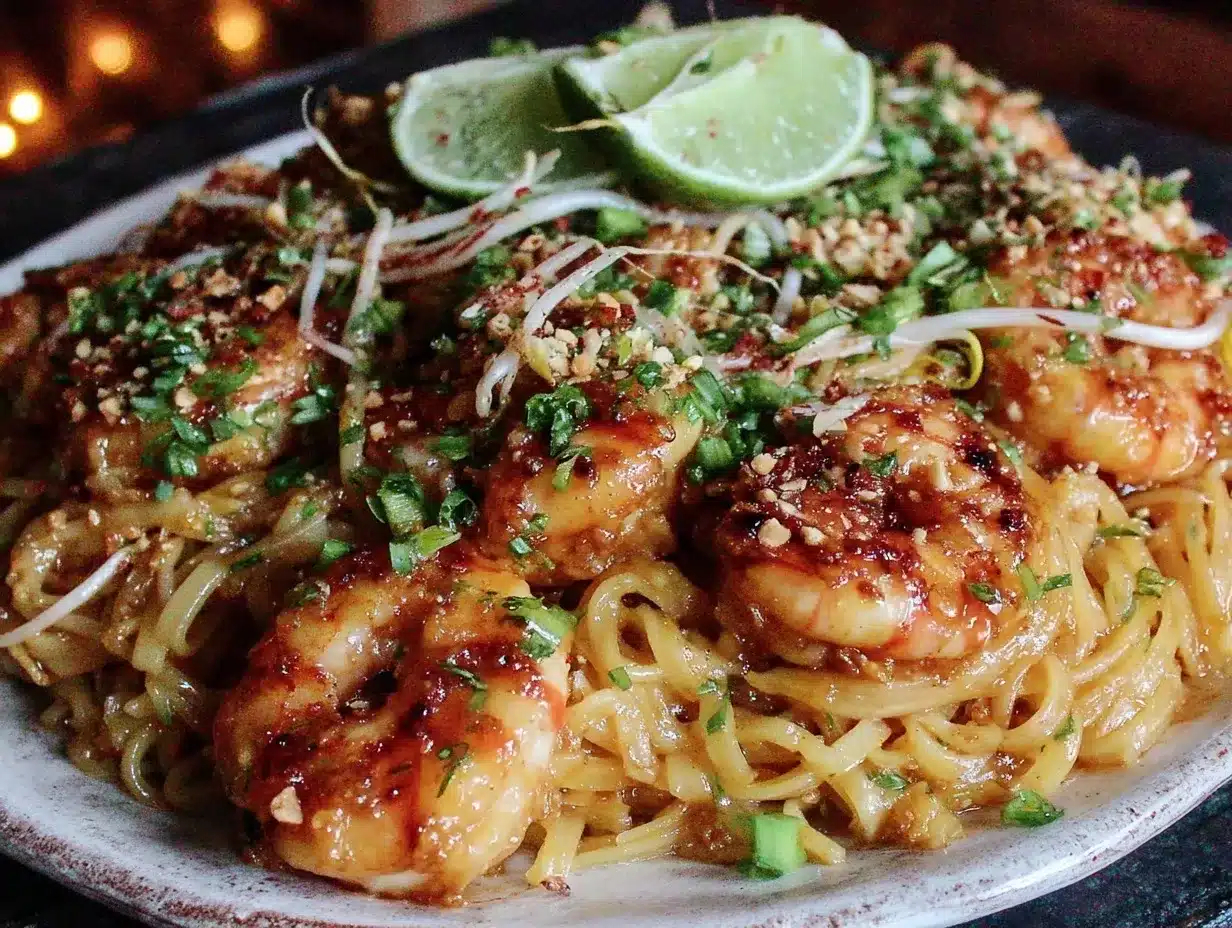
Turn off the heat. Add the bean sprouts and half the green onions. Toss one last time. The residual heat will wilt the sprouts slightly but keep them crunchy. Plate the Pad Thai and top with the remaining green onions, crushed peanuts, and red pepper flakes. Serve with lime wedges on the side.
Total Time: About 30 minutes (10 minutes prep, 20 minutes cooking)
Expert Tips & Tricks
Here’s everything I’ve learned from making this dozens of times. These tips will save you from my mistakes.
Don’t Overcook the Noodles
The #1 mistake people make is boiling the noodles too long. They should be soft and pliable when you start stir-frying, not mushy. If they’re too hard, soak them longer. If they’re too soft, drain them better.
High Heat is Your Friend
Pad Thai needs that “wok hei” flavor, which comes from high heat. Keep your burner on medium-high to high. If you cook too low, the noodles will stick and steam instead of fry.
Balance the Sauce
Taste your sauce before adding it to the noodles. It should taste slightly too sweet and too sour on its own. Once it mixes with the salty fish sauce and savory noodles, it will be perfect. Adjust as needed.
Use Day-Old Noodles (If Possible)
Fresh rice noodles are sticky. If you have leftover noodles from a previous meal, let them dry out in the fridge overnight. They stir-fry better and don’t clump as much.
Press Your Tofu
If using tofu, press it well. Wet tofu steams instead of fries. Wrap it in paper towels and put a heavy pan on top for 10 minutes. It makes a huge difference in texture.
Add Bean Sprouts Last
Bean sprouts cook in seconds. Add them at the very end so they stay crunchy. If you cook them with the noodles, they turn into slimy mush.
Variations & Substitutions
Once you’ve nailed the basic version, here’s how you can mix it up. I’ve tried all of these.
Chicken Pad Thai
Swap the tofu and shrimp for diced chicken breast. Sauté the chicken first until cooked through, then remove. Add it back in at the end. This is my husband’s favorite version.
Vegan Pad Thai
Skip the eggs and shrimp. Use firm tofu and double the peanuts. Replace fish sauce with soy sauce or tamari. Use vegan tamarind paste (most are vegan, but check the label). It’s just as delicious.
Vegetable-Loaded
Add chopped carrots, bell peppers, or zucchini with the tofu. They’ll cook in the wok and add sweetness and color. This is how I get my kids to eat more veggies.
Spicy Pad Thai
Add 1 teaspoon of chili garlic sauce or extra red pepper flakes to the sauce. Or serve with Sriracha on the side.
Gluten-Free
Rice noodles are naturally gluten-free. Just make sure your fish sauce and tamarind paste are certified gluten-free (most are, but some soy sauces contain wheat).
Serving & Storage
How to Serve:
I usually serve this straight from the wok at the dinner table—it looks rustic and stays warm. But here are other ways I’ve enjoyed it:
- Side Dishes: Simple cucumber salad, steamed broccoli, or my crispy honey garlic chicken wings if you want extra protein.
- Toppings Bar: When I have guests, I put out extra peanuts, bean sprouts, lime wedges, and chili flakes. Everyone customizes their bowl.
- Wine Pairing: Not a wine expert, but my wine-snob friend says a crisp Riesling or a dry Rosé works great with this.
Storage Instructions:
Refrigerator:
Store in an airtight container for up to 3 days. The noodles will absorb the sauce and get softer, which is normal. They’re actually pretty good cold, like a noodle salad.
Reheating:
Best method: Add a splash of water to a skillet, add your leftover Pad Thai, and heat gently over medium heat, stirring frequently. The water helps rehydrate the noodles. Microwave sort of works but tends to dry it out. If you do microwave, add a splash of water and cover it.
Freezing:
Honestly, this doesn’t freeze well. The rice noodles get weird and mushy when thawed. Make it fresh or store in the fridge for up to 3 days.
Meal Prep:
Make the sauce ahead and store in the fridge. Cook the noodles and stir-fry everything fresh each night. It takes 15 minutes and tastes way better than fully reheated leftovers.
Nutrition Information
I’m not a nutritionist, but here’s the breakdown if you’re tracking.
Per Serving (based on 4 servings):
| Nutrient | Amount |
|---|---|
| Calories | 480 |
| Protein | 18g |
| Carbs | 65g |
| Fiber | 3g |
| Sugar | 12g |
| Fat | 16g |
| Sodium | 900mg |
What’s Good:
– Decent protein from eggs and tofu/shrimp
– Fiber from bean sprouts and peanuts
– Can add vegetables to boost nutrition
– More filling than it looks
What to Know:
– Higher in carbs from rice noodles
– Contains fish sauce (so not vegetarian/vegan unless substituted)
– Moderate sodium (use low-sodium fish sauce or soy sauce to reduce)
My Take:
Look, this is comfort food with sugar and sauce. It’s not a diet recipe. But it’s way better than takeout, costs less, and I know exactly what’s in it. When I want to make it lighter, I double the veggies and tofu, and use less sugar. But usually? I just eat a reasonable portion and enjoy it.
Final Thoughts
So that’s my Restaurant-Style Pad Thai with Tamarind Sauce you’ll make on repeat! I’ve probably talked your ear off at this point, but when you make a recipe this often, you have a lot to say about it.
This has saved weeknight dinners more times than I can count. It’s my answer to “what’s for dinner” when I’m tired, don’t want takeout, and still want something that tastes really good. My kids are happy, my husband’s happy, and I’m happy because I’m not stressed about cooking.
Make it yours! Try different add-ins, swap in your favorite vegetables, adjust the garlic (though more is always better in my opinion). The best recipes are the ones you adapt to your family’s tastes.
If you make this, drop a comment and let me know what you think! I love hearing how recipes turn out in your kitchen. And if something doesn’t work, tell me that too—I’m here to help troubleshoot.
Happy cooking! And I hope your kitchen smells half as good as mine does right now.
Frequently Asked Questions
Q: Can I use glass noodles instead of rice noodles?
A: Glass noodles (mung bean noodles) are different. They’re thinner and chewier. You can use them, but they cook faster and absorb sauce differently. I recommend sticking to flat rice noodles for the authentic Pad Thai experience. If you use glass noodles, reduce the soaking time to 10 minutes.
Q: My sauce came out too sweet—what happened?
A: Tamarind is very sour. If your sauce is too sweet, you didn’t use enough tamarind or fish sauce. Add more tamarind paste (mixed with water) or a splash of lime juice to balance it out. Taste as you go!
Q: Can I make this ahead for a dinner party?
A: Sort of. Make the sauce up to 2 days ahead and store in the fridge. Prep the veggies and protein ahead. But cook the noodles and stir-fry fresh right before serving. The noodles will get soggy if they sit in the sauce for too long. I do this all the time to save time during the party.
Q: Why did my noodles stick together?
A: This usually happens if you overcooked them in the water or didn’t toss them enough in the wok. Make sure to drain them well and toss them vigorously in the hot wok with the sauce. A little bit of oil in the wok helps prevent sticking.
Q: Can I use soy sauce instead of fish sauce?
A: You can, but it won’t taste exactly like Pad Thai. Fish sauce adds a unique savory depth. If you’re vegetarian, use soy sauce or tamari. If you’re just out of fish sauce, soy sauce is a decent emergency substitute, but the flavor will be different.
Q: How do I reheat leftovers without it getting dry?
A: Add a splash of water or broth to a skillet, add your leftover Pad Thai, and heat gently over low heat, stirring frequently. The extra liquid brings back the moisture. Microwave sort of works but tends to dry it out. If you do microwave, definitely add a splash of water first and heat in short bursts, stirring between.
Q: Can I double this recipe?
A: Absolutely! Double everything and use your biggest wok. The cooking times stay the same. I do this when I’m meal-prepping or feeding a crowd. Just make sure your wok is big enough for the noodles—you might need to cook in batches if your wok is small.
Pin This Recipe!
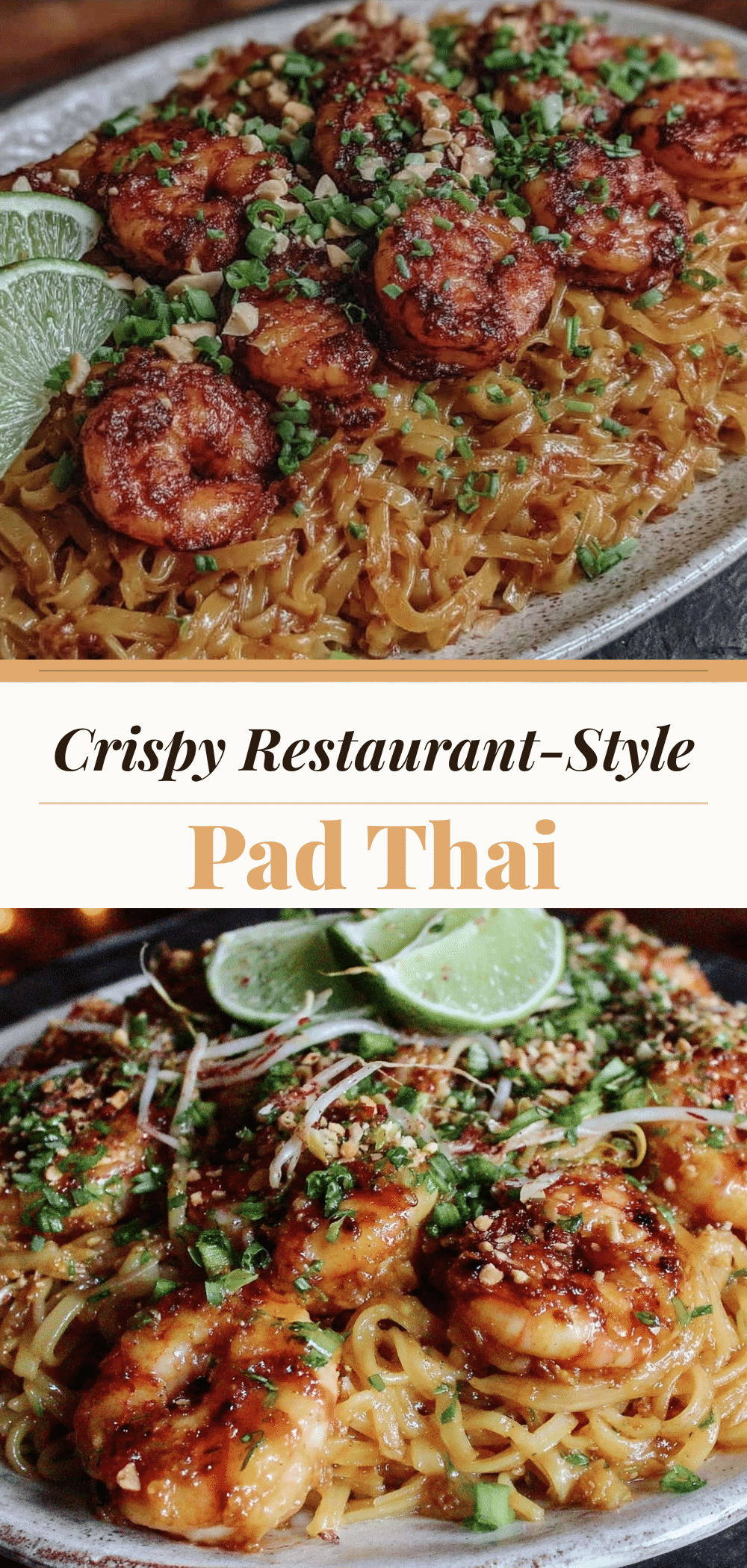

Restaurant-Style Pad Thai: 5-Ingredient Budget Family Meal
- Total Time: 30 minutes
- Yield: 4 servings 1x
Description
A quick, budget-friendly, and customizable Pad Thai recipe that balances sweet, sour, salty, and spicy flavors using tamarind sauce. It’s faster than takeout and easier to make than you think.
Ingredients
- 8 ounces (225g) flat rice noodles
- 3 tablespoons (45g) tamarind paste
- 1/4 cup warm water (for tamarind)
- 3 tablespoons (45ml) fish sauce
- 2 tablespoons (30g) packed brown sugar
- 1 tablespoon (15ml) rice vinegar
- 2 tablespoons vegetable oil (canola or avocado)
- 2 large eggs
- 3 cloves garlic, minced
- 8 ounces firm tofu, cubed and pressed (optional)
- 4 ounces shrimp, peeled and deveined (optional)
- 1 cup fresh bean sprouts
- 3 stalks green onions, chopped
- 1/4 cup roasted peanuts, crushed
- Lime wedges, for serving
- Red pepper flakes, for heat (optional)
Instructions
- Place rice noodles in a large bowl and cover with hot tap water. Soak for 20-30 minutes until soft and pliable. Drain and set aside. Cut noodles in half if too long.
- In a small bowl, mix tamarind paste with 1/4 cup warm water until dissolved. Strain if desired. Add fish sauce, brown sugar, and rice vinegar. Whisk until sugar dissolves. Taste and adjust sweetness/sourness as needed.
- Prep protein and veggies: Press and cube tofu, mince garlic, chop green onions, and peel/devein shrimp if using.
- Heat vegetable oil in a large wok or skillet over medium-high heat. Add tofu and shrimp (if using). Cook until tofu is golden and shrimp are pink. Remove from wok and set aside.
- Add a little more oil if needed. Add garlic and stir for 30 seconds until fragrant. Push garlic to the side, crack eggs into the empty space, and scramble until mostly set. Mix with garlic.
- Add soaked rice noodles to the wok. Pour tamarind sauce over noodles. Add cooked tofu/shrimp back in. Toss vigorously for 2-3 minutes until noodles are tender and coated. Add a splash of water if dry.
- Turn off heat. Add bean sprouts and half the green onions. Toss one last time to wilt sprouts slightly. Plate and top with remaining green onions, crushed peanuts, and red pepper flakes. Serve with lime wedges.
Notes
Do not boil the rice noodles; soak them in hot water instead to prevent mushiness. High heat is essential for the ‘wok hei’ flavor. Balance the sauce to be slightly too sweet and sour before adding to noodles. If using tofu, press it well to ensure it fries rather than steams. Add bean sprouts at the very end to maintain crunch. This recipe does not freeze well.
- Prep Time: 10 minutes
- Cook Time: 20 minutes
- Category: Main Course
- Cuisine: Thai
Nutrition
- Serving Size: 1 plate
- Calories: 480
- Sugar: 12
- Sodium: 900
- Fat: 16
- Saturated Fat: 3
- Carbohydrates: 65
- Fiber: 3
- Protein: 18
Keywords: Pad Thai, Thai food, budget meal, weeknight dinner, tamarind sauce, rice noodles, stir fry, family meal, easy recipe