It was 5:45 PM on a Tuesday, and I was standing in front of an open refrigerator that was, frankly, an insult to the concept of “dinner.” Inside: a lonely carton of milk, some wilting spinach, and a single, sad lemon that had been hiding in the crisper drawer since Sunday. My husband had just walked in the door, looking like he’d survived a marathon, and asked the question that strikes fear into the heart of every home cook: “What’s for dinner?”
I could have ordered takeout. I probably would have, if I hadn’t remembered that piece of fish in the back of the freezer. It was a salmon fillet, slightly freezer-burned but still salvageable. I pulled it out, grabbed that sad lemon, and dug through the spice rack for dried dill. I didn’t have much faith. I expected something mediocre at best.
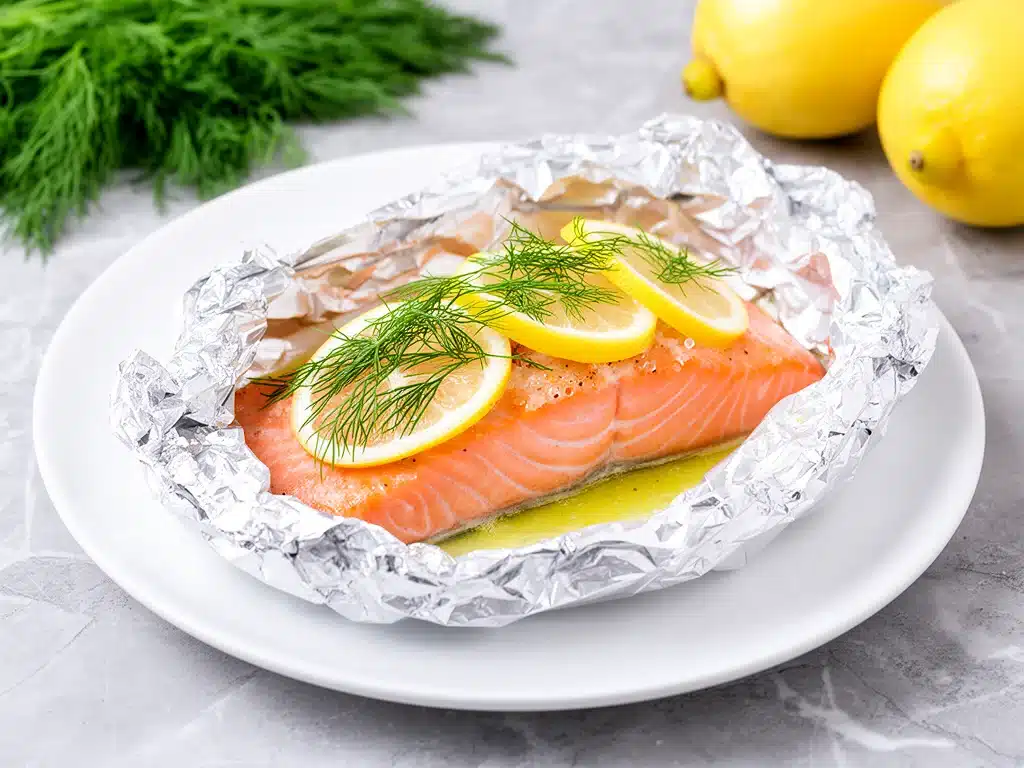
But here’s the thing about baking salmon with lemon and dill—it’s magic. Seriously. The moment it hit the oven, the kitchen filled with this bright, citrusy aroma that made my husband stop mid-yawn and ask if we were having company. Thirty minutes later, we sat down to this perfectly flaky, tender salmon that tasted like a spa day for our taste buds. It was light, it was fresh, and it took almost zero effort.
That night wasn’t a fluke. It turned out that Baked Lemon Dill Salmon was the answer to so many of my weeknight problems. It’s fast. It’s healthy. It doesn’t leave your kitchen smelling like fried fish for three days. And best of all? It’s foolproof. I’ve made this recipe at least a dozen times since that Tuesday, tweaking the amounts of garlic and lemon until it was perfect. Now, when I don’t know what to make, I don’t panic. I just check for salmon. If it’s there, dinner is solved.
I’ve tested this method with thick center-cut fillets and thinner side fillets. I’ve used fresh dill and dried dill. I’ve even tried it with trout when salmon was too expensive. Every time, the result is the same: a meal that feels fancy but is actually stupidly simple. If you’re tired of heavy, creamy weeknight dinners or complicated recipes that require seven different ingredients you don’t own, this is your new go-to. It’s clean eating without the boredom, and it’s ready before you can even finish setting the table.
Why You’ll Love This Recipe
There are about ten reasons I keep coming back to this baked lemon dill salmon, but let’s be honest—you probably just want to know if it’s worth your time. Here’s the short answer: Yes. It’s worth it. Here’s why this specific combination has completely changed our dinner routine.
Stupid Simple Prep — Seriously, if you can squeeze a lemon, you can make this. There’s no marinating overnight. There’s no complicated sauce reduction. You put the fish on a pan, drizzle some stuff on top, and put it in the oven. That’s it. I’ve made this while helping my kids with their homework, and it works perfectly.
Lightning Fast — From start to finish, you’re looking at about 20-25 minutes. Ten minutes of prep, and fifteen minutes in the oven. I make this on weeknights when I get home at 7 PM and I’m hungry enough to eat the furniture. By the time I’ve changed my clothes and poured a glass of water, the salmon is done.
Healthy Without Being Boring — Salmon is packed with omega-3s and protein, but it doesn’t taste like “diet food.” The lemon and dill add so much flavor that you don’t miss the heavy sauces or buttery sides you usually crave. It feels light, but it’s actually very satisfying. My husband says it’s the only way he eats fish now.
Minimal Cleanup — This is huge for me. Because you bake it, you can use foil or parchment paper. When dinner is over, you just toss the liner. I don’t have to scrub a pan. I don’t have to soak a skillet. It’s the kind of victory that makes a tired parent smile.
Crowd-Pleaser — I’ve served this to my vegetarian sister (who eats fish), my picky-eater nephew, and my food-snob mother-in-law. Everyone loved it. The lemon cuts through the richness of the fish, and the dill adds that classic, fresh flavor that most people associate with high-end restaurants. It’s a safe bet for date night or a casual family meal.
This is my go-to when I need dinner to just work. No complicated techniques, no weird ingredients, just reliable, delicious food that makes everyone happy. It’s the culinary equivalent of a warm hug.
Ingredients You’ll Need
Here’s the best part: you probably have most of this already in your kitchen. This recipe relies on fresh, simple ingredients that do the heavy lifting. You don’t need a fancy grocery run for this.
SALMON FILLETS (1.5 to 2 pounds / 680-900g) — This is the star. Look for center-cut fillets if you can find them. They’re thicker and more uniform, which means they cook more evenly. If you buy side fillets, just keep an eye on them—they might cook faster. Wild-caught salmon has a firmer texture and more flavor, but farmed salmon is milder and often more affordable. Either works great here.
FRESH LEMON (2 medium lemons) — One for the juice, one for the slices. Fresh lemon juice is non-negotiable here. Bottled lemon juice tastes metallic and flat. You need that bright, acidic punch to cut the fat of the salmon. If you’re really pressed for time, you can skip the slices, but don’t skip the juice.
FRESH DILL (2 tablespoons, chopped) — Fresh dill is what makes this recipe sing. It’s subtle, grassy, and slightly citrusy. Dried dill works too (use 1 teaspoon), but the flavor is much more muted. I buy fresh dill in those little plastic clamshells at the grocery store. If you don’t use it all, freeze the rest in an ice cube tray with a little water—it stays fresh for months.
EXTRA VIRGIN OLIVE OIL (3 tablespoons / 45ml) — Good quality olive oil makes a difference here because it’s a primary flavor. Don’t use your cheapest, bitter oil. Use something you’d eat on toast. It adds richness and helps the herbs stick to the fish.
GARLIC (3 cloves, minced / about 1 tablespoon) — Fresh garlic only. No jarred stuff. The heat from the oven caramelizes the garlic slightly, adding a sweet, savory depth. Mince it finely so you get a bit of garlic in every bite.
BUTTER (2 tablespoons / 30g, melted) — A little butter adds that restaurant-quality richness. It helps the lemon juice emulsify with the olive oil. If you’re dairy-free, you can skip this or use a dairy-free alternative, but the butter really does make it taste better.
SALT AND BLACK PEPPER — Kosher salt is best because it’s easier to control. Use about 1 teaspoon of salt and ½ teaspoon of freshly cracked pepper. Season the fish generously; salmon can handle it.
OPTIONAL ADD-INS — I sometimes add a pinch of red pepper flakes if I want a little heat. Or a teaspoon of Dijon mustard for tang. But honestly? The lemon, dill, and garlic are enough. Keep it simple.
Equipment Needed
You don’t need fancy equipment for this. Here’s what I actually use, and what you can swap if you don’t have it.
Baking Sheet — A standard 13×9 inch rimmed baking sheet works perfectly. I use a metal one because it conducts heat well. If you prefer dark pans, you might need to reduce the oven temp by 25 degrees to prevent burning.
Parchment Paper or Aluminum Foil — This is the cleanup hack. Line your baking sheet with parchment paper or foil. I prefer foil for easy cleanup, but parchment is better if you’re worried about acidic lemon juice reacting with the metal (though it’s rarely an issue). Either way, it saves you from scrubbing.
Small Bowl — For whisking the olive oil, lemon juice, melted butter, and garlic together. A small ramekin or even a large mug works.
Measuring Spoons — Standard stuff. If you’re feeling fancy, use fresh dill and measure by eye. It’s hard to mess up.
Spatula — A thin, flexible spatula is great for flipping the salmon if you want to, though it’s not strictly necessary. I usually just slide it under to serve.
Zester or Microplane — Optional, but I love adding a little lemon zest to the butter mixture. It intensifies the lemon flavor without adding more liquid. If you don’t have one, just grate the lemon peel with a cheese grater.
Knife and Cutting Board — For slicing the lemon and chopping the dill. Sharp knife makes this way easier.
How to Make It: Step-by-Step
Alright, let’s make this! I’m walking you through exactly how I do it, including the little tricks I’ve picked up over the years. It’s simple, but the details matter.
Step 1: Prep Your Oven and Pan (5 minutes)
Preheat your oven to 400°F (200°C). This is the sweet spot. Lower temps make the fish dry out; higher temps can burn the garlic before the fish is cooked. Line your baking sheet with parchment paper or foil. I lightly spray it with non-stick cooking spray just to be safe, though the oil usually does the job.
Step 2: Prepare the Salmon
Pat the salmon fillets dry with paper towels. This sounds minor, but drying the surface helps the skin crisp up (if you’re leaving it on) and helps the seasoning stick. Place the fillets on the prepared baking sheet. If they’re very thick, you might want to trim any uneven edges so they cook uniformly. Season both sides generously with salt and pepper.
Step 3: Make the Lemon Dill Sauce
In a small bowl, combine the olive oil, melted butter, juice of one lemon, minced garlic, and chopped dill. Whisk it together until it’s well mixed. It should look like a bright, yellowish-green liquid. If you’re using lemon zest, add it here. Taste it—it should smell amazing. If it tastes too sour, add a tiny pinch of sugar to balance it.
Step 4: Assemble
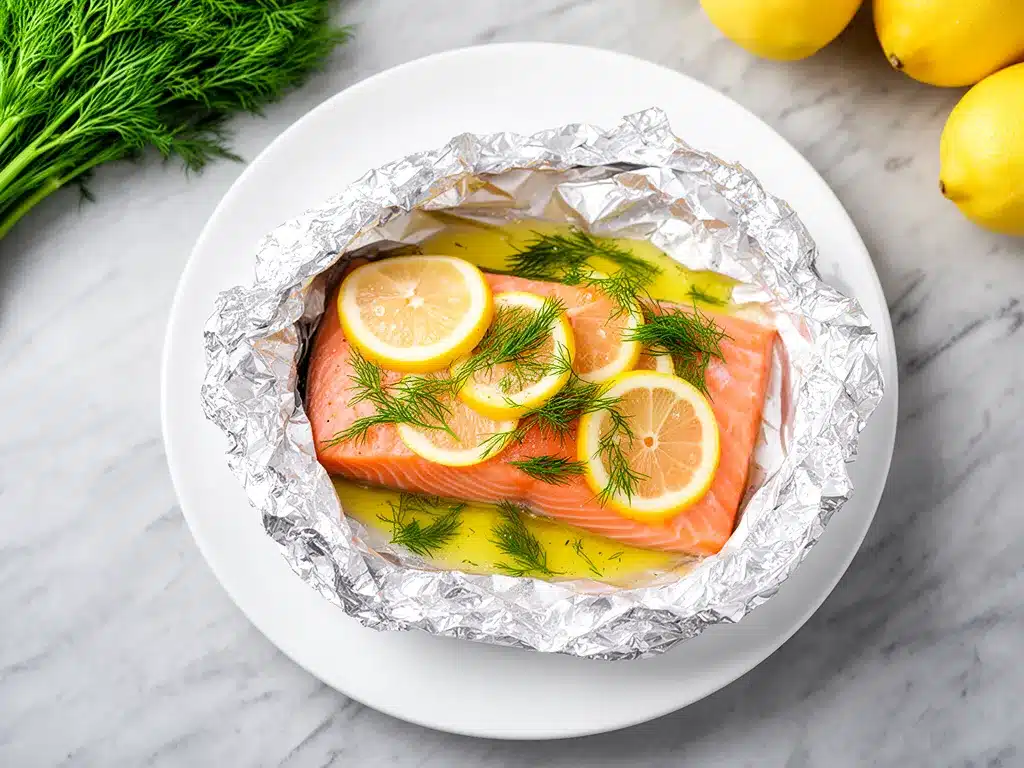
Drizzle the lemon dill mixture over the salmon fillets. Use a spoon to spread it around, making sure the tops and sides are coated. Slice the second lemon into thin rounds. Arrange these slices on top of the salmon. This isn’t just for looks—the steam from the lemon slices infuses the fish with even more citrus flavor as it bakes. You can also tuck some lemon slices under the fish if you want.
Step 5: Bake
Place the baking sheet in the preheated oven. Bake for 12-15 minutes. The exact time depends on the thickness of your fillets. A general rule of thumb: 10 minutes per inch of thickness. You’ll know it’s done when the fish flakes easily with a fork and the interior is opaque but still moist. It should be slightly pink in the very center if you like it juicy, but fully cooked if you prefer it firm.
Step 6: Rest and Serve
Remove the pan from the oven. Let the salmon rest for 2-3 minutes. This allows the juices to redistribute. Serve immediately, spooning any remaining pan juices over the top. Garnish with extra fresh dill if you have it.
Total Time: About 20-25 minutes (5 minutes prep, 15 minutes cook).
Built-in Troubleshooting
Fish is sticking to the pan? Your pan wasn’t oiled enough, or the oven wasn’t hot enough. Next time, use parchment paper.
Fish is dry? You overcooked it. Salmon continues to cook a bit after you take it out of the oven. Pull it when it’s just barely opaque in the center.
Garlic is burning? Your oven runs hot, or the garlic was too close to the heating element. Next time, mix the garlic into the oil/butter mixture well, so it’s dispersed and less likely to scorch.
Expert Tips & Tricks
Here’s everything I’ve learned from making this dozens of times. These tips will save you from my mistakes.
Don’t Overcook It
This is the #1 mistake people make. Salmon goes from perfect to dry in about two minutes. If you’re unsure, check it early. The fish should be opaque and flake easily, but if it looks chalky, you’ve gone too far. It’s better to undercook slightly than overcook.
Use Fresh Herbs When Possible
I know dried dill is easier. But fresh dill has a volatile oil that dried dill loses. The difference in aroma and flavor is night and day. If you can’t find fresh, buy a small bunch and freeze it immediately. Don’t leave it in the fridge where it will turn to slime.
Pat the Fish Dry
I know it’s annoying, but wet fish steams instead of baking. Patting it dry ensures the surface gets a little bit of texture and the seasoning adheres better. It’s a small step that makes a big difference.
Room Temperature Lemon
If your lemon is cold, it’s harder to juice. Let it sit on the counter for 15 minutes before using, or roll it firmly on the counter before cutting. It releases more juice and is easier to handle.
The Pinch of Sugar
Lemon juice can be very acidic. A tiny pinch of sugar in the sauce balances the acidity and rounds out the flavor. It doesn’t make it sweet; it just makes it taste “complete.”
Common Mistakes (and how to avoid them):
Mistake: The sauce is too watery.
Fix: Use less lemon juice or reduce it slightly before adding to the oil. You want a drizzle, not a pool.
Mistake: The salmon is uneven.
Fix: If you have one thick end and one thin end, fold the thin end under or cover it with foil to prevent it from drying out while the thick part cooks.
Mistake: Too much garlic.
Fix: Garlic burns easily. Stick to 3-4 cloves for 1.5 lbs of fish. If you’re a garlic lover, add it to the side veggies instead.
Variations & Substitutions
Once you’ve nailed the basic version, here’s how you can mix it up. I’ve tried all of these.
Asparagus Lemon Salmon
Toss a bunch of asparagus spears on the baking sheet alongside the salmon. They roast in the same amount of time. This turns the meal into a complete one-pan dinner. I do this all the time for busy weeknights.
Caprese Salmon
Skip the dill and lemon slices. Instead, top the salmon with fresh mozzarella slices and fresh basil leaves after baking. Drizzle with balsamic glaze. It’s Italian-inspired and delicious.
Honey Garlic Salmon
Swap the lemon and dill for a mixture of honey, soy sauce, and ginger. It’s sweeter and more savory. Great with rice.
Dairy-Free Version
Simply omit the butter and use only olive oil. The recipe still works beautifully. The olive oil provides enough richness.
Gluten-Free
This recipe is naturally gluten-free. Just make sure your soy sauce (if using variations) is gluten-free.
Other Fish
You can use this method for trout, cod, or halibut. Adjust cooking time based on thickness. Trout takes about 10-12 minutes. Cod can dry out faster, so check it at 10 minutes.
Serving & Storage
How to Serve:
I usually serve this straight from the pan to the table. It looks rustic and stays warm. Here are some sides that pair well:
- Quinoa or Rice: The lemon dill sauce is perfect for spooning over grains.
- Roasted Vegetables: Broccoli, asparagus, or green beans roasted with olive oil and salt.
- Light Salad: A simple arugula salad with lemon vinaigrette complements the fish without weighing it down.
- Crusty Bread: To soak up every last drop of sauce.
Storage Instructions:
Refrigerator:
Store leftovers in an airtight container for up to 3 days. The fish will hold up well, though the texture may become slightly firmer.
Reheating:
The best method is to reheat gently in a skillet over low heat with a splash of water or broth. This keeps it moist. Avoid the microwave if you can—it tends to make fish rubbery. If you must microwave, do it in 30-second bursts and cover with a damp paper towel.
Freezing:
I don’t recommend freezing cooked salmon. It loses its texture. If you want to meal prep, freeze the raw seasoned salmon in a ziplock bag, then thaw and bake when ready.
Nutrition Information
I’m not a nutritionist, but here’s the breakdown if you’re tracking. This is per serving (based on 4 servings).
Calories: 320
Protein: 34g
Carbs: 3g
Fiber: 1g
Sugar: 1g
Fat: 19g
Saturated Fat: 5g
Cholesterol: 90mg
Sodium: 450mg
What’s Good: High protein, low carb, rich in healthy fats. It’s a nutrient-dense meal.
What to Know: Sodium comes from the salt. Use low-sodium salt if you’re watching sodium intake. The fat is mostly monounsaturated from the olive oil and omega-3s from the fish.
Final Thoughts
So that’s my go-to baked lemon dill salmon! I’ve probably talked your ear off at this point, but when you make a recipe this often, you have a lot to say about it. This has saved weeknight dinners more times than I can count. It’s my answer to “what’s for dinner” when I’m tired, don’t want takeout, and still want something that tastes really good. My kids are happy, my husband’s happy, and I’m happy because I’m not stressed about cooking.
Make it yours! Try different add-ins, swap in your favorite vegetables, adjust the garlic (though more is always better in my opinion). The best recipes are the ones you adapt to your family’s tastes.
If you make this, drop a comment and let me know what you think! I love hearing how recipes turn out in your kitchen. And if something doesn’t work, tell me that too—I’m here to help troubleshoot. Happy cooking! And I hope your kitchen smells half as good as mine does right now.
Frequently Asked Questions
Can I use frozen salmon?
Yes, but you need to thaw it completely first. Pat it very dry before seasoning. If you bake it frozen, the water content will make it steam instead of bake, and it’ll be mushy. Thaw it in the fridge overnight for best results.
How do I know when salmon is done?
The easiest way is the “flake test.” Insert a fork into the thickest part of the fish and twist gently. If it flakes apart easily and is opaque throughout, it’s done. If it’s still translucent in the center, give it another 2-3 minutes. The internal temperature should be 145°F (63°C), but many chefs prefer 125-130°F for a juicier result.
Can I grill this instead of baking?
You can, but it’s trickier. Salmon is delicate. If you grill, oil the grates well and use a grill basket or foil packet. The baking method is more forgiving for beginners.
Why did my salmon smell strong?
Fresh salmon should smell like the ocean, not fishy. If it smells strong, it might not be fresh. Always buy salmon from a reputable source and store it properly. The lemon and dill help mask any minor odors, but fresh fish is key.
What sides go well with this?
I love it with healthy green apple spinach smoothie on the side for a fresh drink, or roasted vegetables. It pairs well with light, crisp flavors.
Can I make this ahead for a dinner party?
You can prep the salmon and sauce ahead of time and keep it in the fridge. Bake it right before serving. It’s best served fresh, but it holds up okay if you have to wait 30 minutes.
Is this recipe healthy?
Yes! It’s high in protein and omega-3s, low in carbs, and uses healthy fats from olive oil. It’s a great choice for heart-healthy eating.
Pin This Recipe!
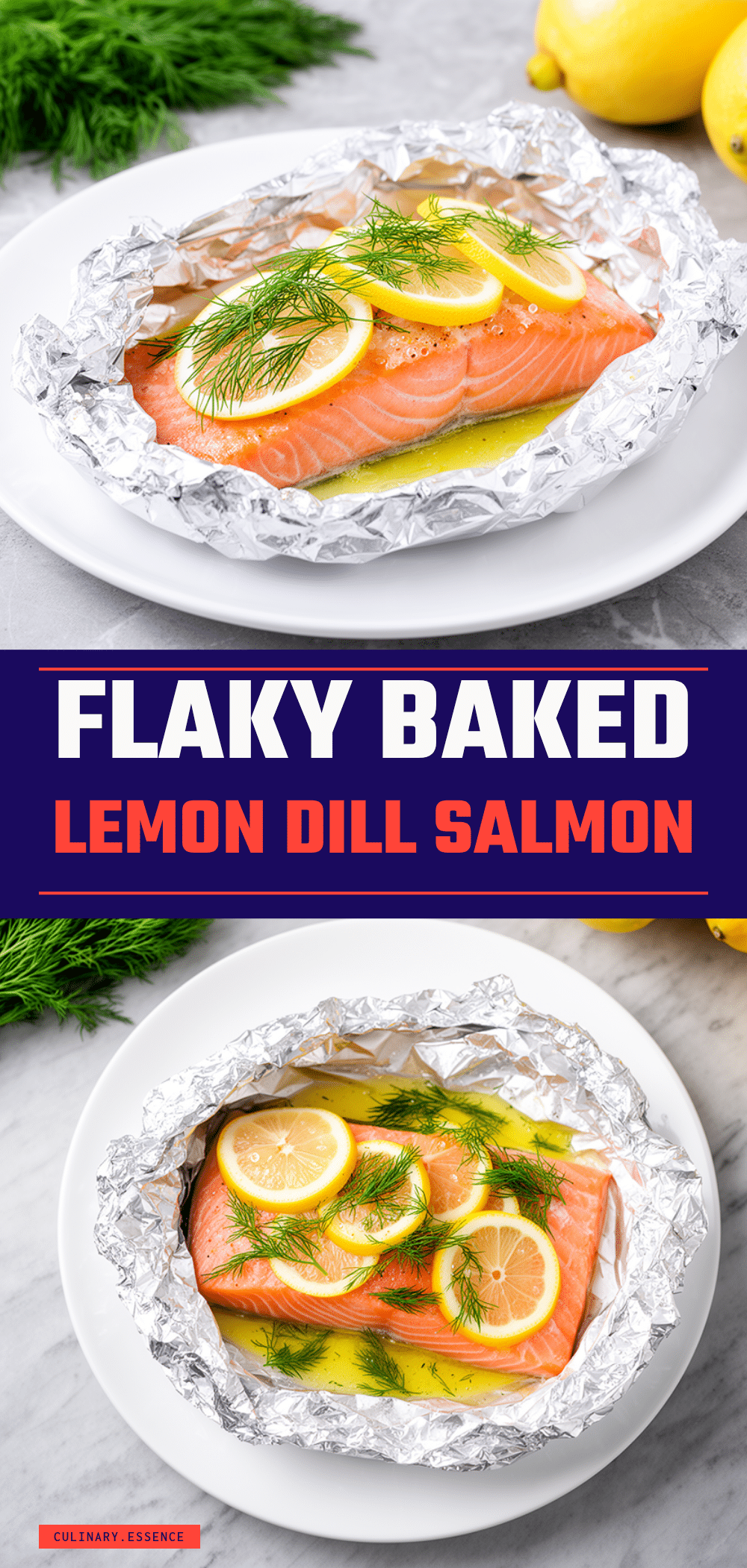
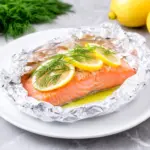
Baked Lemon Dill Salmon: Easy Weeknight Dinner
- Total Time: 20-25 minutes
- Yield: 4 servings 1x
Description
A foolproof, healthy, and flavorful baked salmon recipe featuring bright lemon and fresh dill. Ready in just 20-25 minutes with minimal cleanup, making it the perfect quick weeknight meal.
Ingredients
- 1.5 to 2 pounds salmon fillets (center-cut preferred)
- 2 medium fresh lemons (one for juice, one for slices)
- 2 tablespoons fresh dill, chopped (or 1 teaspoon dried dill)
- 3 tablespoons extra virgin olive oil
- 3 cloves garlic, minced
- 2 tablespoons butter, melted
- 1 teaspoon kosher salt
- 1/2 teaspoon freshly cracked black pepper
- Optional: pinch of red pepper flakes or Dijon mustard
Instructions
- Preheat oven to 400°F (200°C). Line a 13×9 inch baking sheet with parchment paper or aluminum foil and lightly spray with non-stick cooking spray.
- Pat salmon fillets dry with paper towels. Place on the prepared baking sheet and season both sides generously with salt and pepper.
- In a small bowl, whisk together olive oil, melted butter, juice of one lemon, minced garlic, and chopped dill. Add lemon zest if using.
- Drizzle the lemon dill mixture over the salmon fillets, ensuring they are well coated.
- Slice the second lemon into thin rounds and arrange them on top of the salmon.
- Bake for 12-15 minutes, or until the fish flakes easily with a fork and is opaque but still moist.
- Remove from oven and let rest for 2-3 minutes before serving. Spoon remaining pan juices over the top and garnish with extra dill if desired.
Notes
Do not overcook the salmon; it continues to cook slightly after removal from the oven. For best results, use fresh dill and fresh lemon juice. If using frozen salmon, ensure it is completely thawed and patted dry before seasoning. To prevent garlic from burning, ensure it is well dispersed in the oil mixture.
- Prep Time: 5 minutes
- Cook Time: 15 minutes
- Category: Main Course
- Cuisine: American
Nutrition
- Serving Size: 1 fillet
- Calories: 320
- Sugar: 1
- Sodium: 450
- Fat: 19
- Saturated Fat: 5
- Carbohydrates: 3
- Fiber: 1
- Protein: 34
Keywords: baked salmon, lemon dill salmon, weeknight dinner, healthy fish recipe, quick meals, gluten-free, dairy-free option