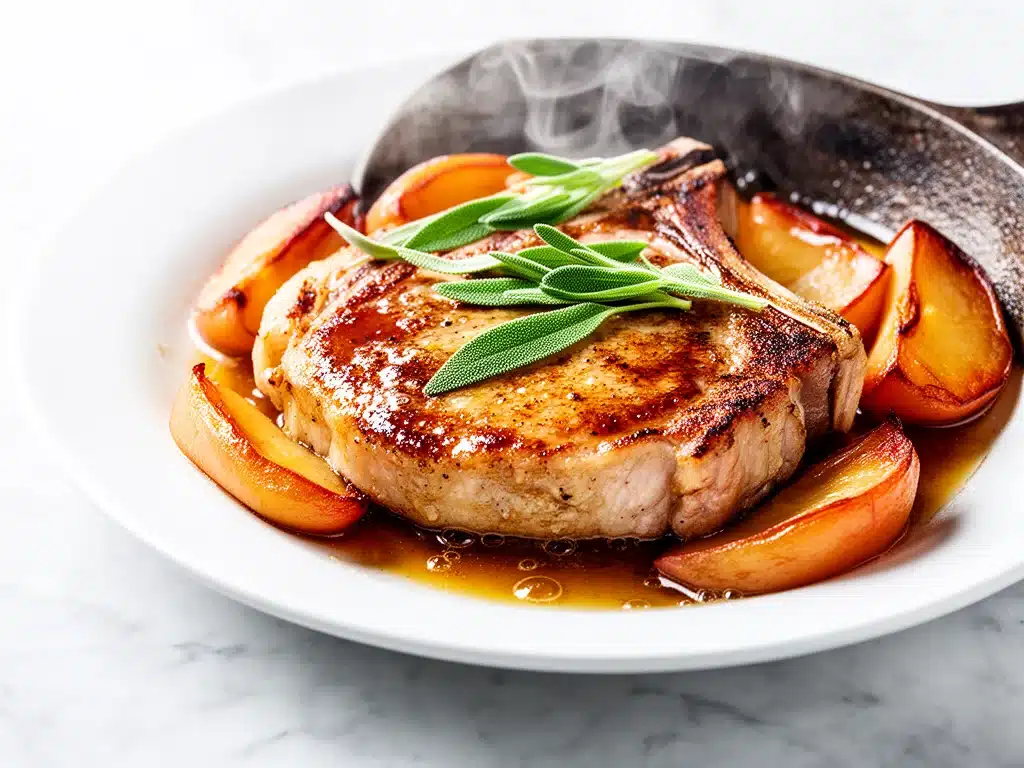
There was a winter evening about three years ago when I was absolutely exhausted. It was one of those nights where the snow was piling up against the windows, my back was throbbing from sitting at a desk all day, and the last thing I wanted to do was think about dinner. I had half a mind to order takeout, but my wallet and my health were both screaming at me to cook something simple. I opened the fridge, found some thick-cut pork chops, a stick of butter that was starting to smell a little too much like “old,” and a sprig of sage that was wilting in the crisper drawer.
I didn’t have a plan. I just threw it together. I melted the butter until it browned, tossed in the sage, and let it sizzle until the kitchen smelled like a fancy French bistro. I seared the chops, let them rest, and plated them up. My partner walked in, took one bite, and said, “We are never ordering pizza again.”
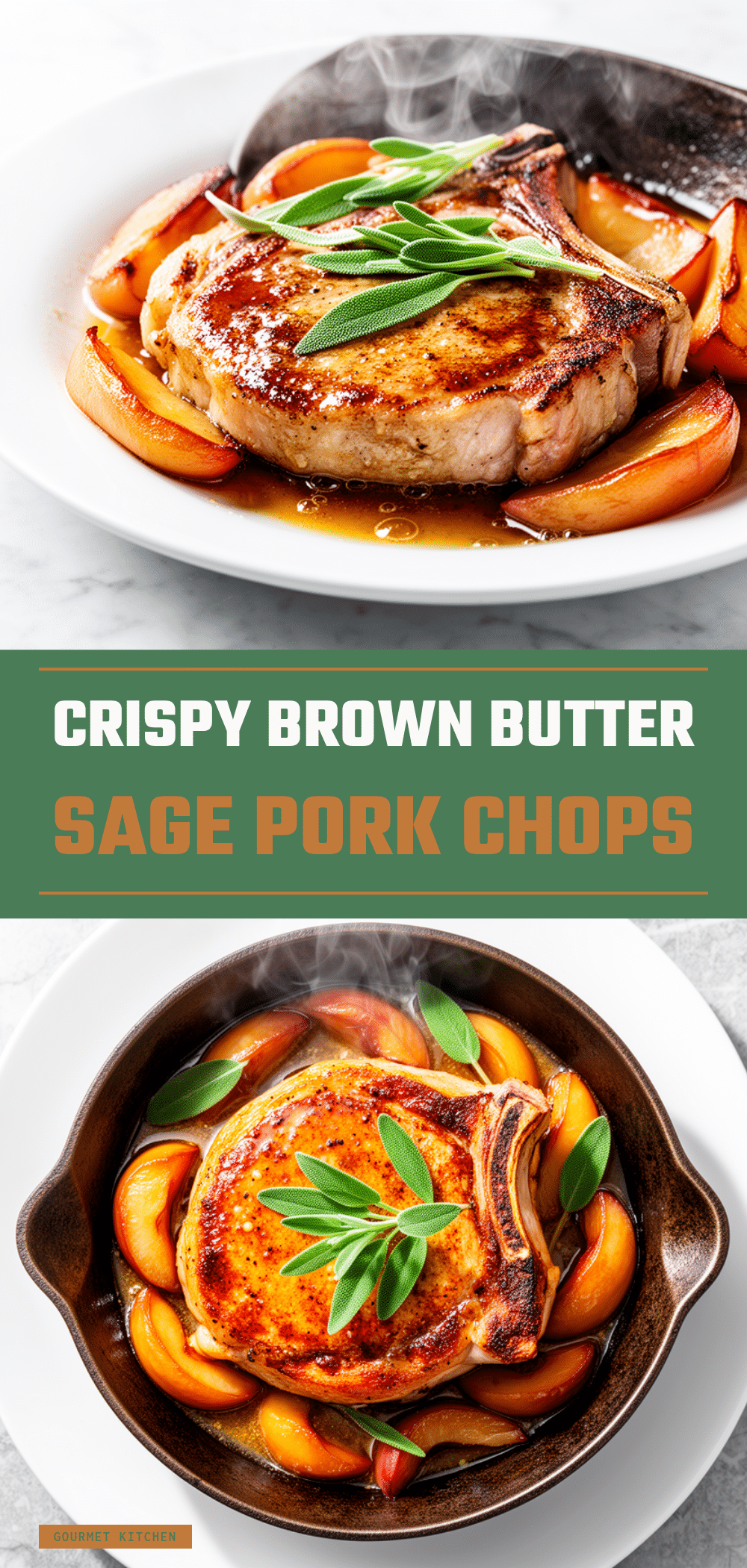
That was the moment I fell in love with Brown Butter Sage Pork Chops. It’s not just a recipe; it’s a rescue mission for tired weeknights. It takes less time than it takes to scroll through delivery apps, uses ingredients you probably already have (or can grab on the way home), and tastes like you spent hours in the kitchen. I’ve made this skillet dinner at least a dozen times since that snowy night. Some nights I serve it with mashed potatoes, other times with roasted carrots, but the star remains the same: those crispy, herb-infused pork chops swimming in nutty, golden brown butter.
What makes this recipe special isn’t just the flavor—it’s the confidence it gives you. You walk into the kitchen knowing exactly what you’re going to make, and you know it’s going to work. No complicated techniques, no weird ingredients from the back of a pantry. Just good, honest food that feels like a hug on a plate. If you’re looking for a way to turn a simple ingredient into a restaurant-quality meal, this is it.
Why You’ll Love This Recipe
I’ve tried countless pork chop recipes over the years. Some are too dry, some are too salty, and some require a marinade that sits for four hours. This brown butter sage pork chop recipe is different. It’s fast, it’s flavorful, and it’s forgiving. Here’s why it’s become a permanent fixture in our weekly rotation:
- Stupid Simple Technique — Seriously, if you can melt butter, you can make this. The “brown butter” part sounds intimidating, but it’s just watching the butter change color. I’ve taught my teenage niece to make this over FaceTime, and she nailed it on the first try.
- Lightning Fast — From start to finish, you’re looking at about 25 minutes. That’s 5 minutes of prep and 20 minutes of cooking. I make this on nights when I get home at 7 pm and need dinner on the table by 7:30. It’s faster than waiting for a pizza delivery.
- Pantry-Friendly Staples — You probably have all of this already. Pork chops (or chicken breasts if you’re swapping), butter, sage, salt, pepper, and maybe a clove of garlic. I keep a jar of dried sage in my spice rack specifically for this, because fresh sage can be tricky to find in smaller towns.
- Restaurant-Quality Flavor — The nutty, toasty flavor of brown butter elevates this from “weeknight dinner” to “date night at home.” It’s rich and savory without being heavy. My friends who are picky eaters (my husband included) always ask for the sauce to be drizzled over their potatoes.
- One-Pan Wonder — Minimal cleanup is a huge bonus. I cook the chops in a skillet, make the sauce in the same skillet, and that’s it. One pan to wash. Life is too short for a mountain of dishes.
- Versatile Pairings — This plays well with others. It’s the perfect partner to healthy green apple spinach smoothies for a balanced breakfast before you start cooking, or it pairs beautifully with creamy mashed potatoes and roasted green beans. It’s adaptable to whatever vegetables you have in the fridge.
This is my go-to when I need dinner to just work. No stress, no mess, just reliable, delicious food that makes everyone happy. It’s the kind of meal that makes you feel like a pro chef, even if you’re wearing sweatpants.
Ingredients You’ll Need
Here’s the best part: you probably have most of this already. This isn’t a recipe that requires a special trip to a specialty store. I’m particular about a few things here, and I’ll tell you exactly why.
For the Pork Chops
Pork Chops (4 chops, about 1-inch thick) — Bone-in, thick-cut chops are non-negotiable for me. Thin chops dry out in seconds. I look for chops that are at least 1 inch thick, preferably bone-in for that extra flavor and juiciness. If you can’t find bone-in, boneless center-cut chops work fine, just reduce the cooking time slightly.
Salt (1 teaspoon) — Use kosher salt if you have it. It’s easier to control than table salt. I season the chops generously about 15 minutes before cooking. This helps the salt penetrate the meat, keeping it juicy.
Black Pepper (½ teaspoon) — Freshly cracked is best. Pre-ground pepper loses its flavor quickly. I use a pepper mill and grind it fresh right before cooking.
Flour (2 tablespoons, all-purpose) — This is for dusting. It helps create a nice crust on the chops and gives the brown butter something to cling to. Don’t skip this, but don’t overdo it. You just want a light dusting, not a coating.
Neutral Oil (1 tablespoon) — I use olive oil or avocado oil. Olive oil has a lower smoke point, so if you’re searing at high heat, avocado oil is safer. But for this recipe, a tablespoon of olive oil works perfectly and adds a subtle flavor.
For the Brown Butter Sage Sauce

Unsalted Butter (4 tablespoons) — This is the star of the sauce. Use high-quality butter if you can. The better the butter, the better the brown butter. I use European-style butter because it has a higher fat content, which makes for a richer, nuttier flavor. If you use salted butter, reduce the salt in the recipe by half.
Fresh Sage Leaves (10-12 leaves) — Fresh sage is essential. Dried sage has a different, more muted flavor. If you can’t find fresh sage, you can substitute with 1 teaspoon of dried sage, but the flavor won’t be as bright. Look for sage with vibrant green leaves and no yellow spots.
Garlic Cloves (2 cloves, minced) — Yes, two cloves. Not too much, not too little. Minced is best so the flavor distributes evenly. If you hate garlic, you can skip it, but it adds a nice depth to the sauce.
Chicken Broth (½ cup) — Low-sodium is best so you can control the saltiness. This deglazes the pan, picking up all the flavorful browned bits (fond) left from the pork chops. It adds body to the sauce without making it too heavy.
Apple Cider (Optional) (2 tablespoons) — This is my secret weapon. A splash of apple cider adds a subtle sweetness that pairs beautifully with the sage and pork. It’s not necessary, but it adds a layer of complexity that I love. If you don’t have cider, you can use white wine or just extra broth.
Equipment Needed
You don’t need fancy equipment for this. Here’s what I actually use.
Cast Iron Skillet — I prefer cast iron because it holds heat well and creates a beautiful crust on the pork chops. If you don’t have cast iron, a stainless steel skillet works great. Avoid non-stick if you want that crispy crust, but it will still work if that’s all you have.
Tongs — For flipping the chops. I use tongs because they’re easier to handle than a fork, which can pierce the meat and let the juices escape.
Whisk — For whisking the brown butter and broth together. A small whisk works best for getting into the corners of the pan.
Measuring Spoons — Standard stuff. Dollar store versions work fine.
Cutting Board — Any size works. I use plastic for easier cleanup.
Sharp Knife — For mincing the garlic. Dull knives make you cry more—learned this the hard way.
Small Bowl — For the flour dusting.
How to Make It: Step-by-Step
Alright, let’s make this! I’m walking you through exactly how I do it, including the little tricks I’ve picked up.
Step 1: Prep the Pork Chops (5 minutes)
Pat the pork chops dry with paper towels. This is crucial for getting a good sear. Moisture is the enemy of browning. Season both sides generously with salt and pepper. Then, lightly dust both sides with flour, shaking off any excess. You want a thin, even coating, not a thick layer.
Step 2: Sear the Chops (8-10 minutes)
Heat the neutral oil in your skillet over medium-high heat. Once the oil is shimmering, add the pork chops. Don’t overcrowd the pan—cook in batches if necessary. Sear for 4-5 minutes on one side without moving them. This creates a golden-brown crust. Flip and cook for another 3-4 minutes on the other side. The internal temperature should reach 145°F (63°C). Remove the chops to a plate and tent loosely with foil. They will continue to cook slightly as they rest.
Step 3: Make the Brown Butter (3-4 minutes)
Reduce the heat to medium. Add the butter to the same skillet. Watch it closely. As it melts, it will foam. Keep stirring with a whisk or spoon. The butter will start to turn golden and then amber. You’ll smell a nutty, toasty aroma. This is the key. Don’t walk away! It can go from perfect to burnt in seconds. Once it’s a deep golden brown and smells like hazelnuts, remove it from the heat immediately.
Step 4: Infuse with Sage and Garlic (1-2 minutes)
Add the sage leaves to the brown butter. They will sizzle and crisp up quickly. Let them cook for 30 seconds, then add the minced garlic. Stir for another 30 seconds. The garlic should be fragrant but not browned. If it starts to burn, remove from heat immediately.
Step 5: Deglaze and Finish the Sauce (2 minutes)
Pour in the chicken broth and apple cider (if using). Scrape up any browned bits from the bottom of the pan with your whisk. These bits are pure flavor. Let the sauce simmer for 1-2 minutes to reduce slightly. Taste and adjust salt if needed. The sauce should be glossy and coat the back of a spoon.
Step 6: Serve (1 minute)
Return the pork chops to the pan, spooning the sauce over them. Let them warm through for 1 minute. Serve immediately, drizzled with extra sauce. Garnish with crispy sage leaves if you have any left.
Total Time: About 25 minutes (5 minutes active prep, 20 minutes cooking)
Expert Tips & Tricks
Here’s everything I’ve learned from making this dozens of times. These tips will save you from my mistakes.
Don’t Overcook the Chops — Pork chops can dry out quickly. Use a meat thermometer. Pull them at 145°F. They will carry over cook while resting. If you cook them to 160°F, they’ll be dry and tough. Trust the thermometer.
Watch the Butter Like a Hawk — Brown butter can go from perfect to burnt in 10 seconds. The color change is subtle. Look for amber-colored milk solids at the bottom of the pan. If you see black spots, you’ve gone too far. Start over. It’s better to err on the side of lighter.
Use the Right Pan — A heavy-bottomed skillet distributes heat evenly. Cast iron is my favorite, but stainless steel works too. Avoid thin pans that have hot spots.
Rest the Meat — Letting the chops rest for 5 minutes after cooking allows the juices to redistribute. If you cut into them immediately, all the juices run out, and the meat is dry.
Save the Crispy Sage — The sage leaves that fry in the brown butter become crispy chips. Don’t throw them away! Use them as a garnish or crumble them over mashed potatoes. They’re delicious.
Common Mistake: Sauce is too thin — Fix: Let it simmer longer. The sauce will reduce and thicken. If it’s still too thin, add a teaspoon of cornstarch mixed with water.
Common Mistake: Sauce is too salty — Fix: Use low-sodium broth and unsalted butter. You can always add more salt, but you can’t take it away.
Variations & Substitutions
Once you’ve nailed the basic version, here’s how you can mix it up. I’ve tried all of these.
Chicken Version — Swap pork chops for chicken breasts. Pound them to an even thickness for even cooking. The cooking time is similar, but check for 165°F internal temperature.
Vegetarian Option — Use thick slices of portobello mushrooms or tofu steaks. The brown butter sage sauce is perfect for both. Tofu needs to be pressed and dried well to get a good sear.
Herb Swap — If you can’t find fresh sage, try thyme or rosemary. Both pair well with brown butter. Or use a combination of herbs for a more complex flavor.
Spicy Kick — Add a pinch of red pepper flakes to the brown butter. It adds a nice heat that contrasts with the richness of the butter.
Gluten-Free — Skip the flour dusting. The sauce is naturally gluten-free. Just make sure your broth is certified gluten-free.
Dairy-Free — Use olive oil or dairy-free butter. The flavor won’t be the same, but it will still be delicious. Olive oil doesn’t brown the same way, so just heat it until it shimmers.
Serving & Storage
How to Serve: — I usually serve this straight from the skillet at the dinner table—it looks rustic and stays warm. But here are other ways I’ve enjoyed it:
Side Dishes: — Creamy mashed potatoes (perfect for soaking up the sauce), roasted Brussels sprouts, steamed green beans, or a simple arugula salad with lemon vinaigrette. It pairs well with chicken caesar wraps if you want a lighter lunch option the next day.
Toppings Bar: — When I have guests, I put out: extra crispy sage, lemon wedges, red pepper flakes, and grated Parmesan cheese. Everyone customizes their bowl.
Storage Instructions:
Refrigerator: — Store in an airtight container for up to 3 days. The sauce will thicken in the fridge—totally normal.
Reheating: — Best method: Add to a skillet with a splash of broth or water over low heat. Stir until heated through and creamy again. Microwave method: Heat in 30-second intervals, stirring between. Add a splash of liquid if it’s too thick.
Freezing: — Honestly, this doesn’t freeze well because of the dairy. The sauce can separate when thawed. Make it fresh or store in the fridge for up to 3 days.
Pro tip: — If leftovers are drying out, stir in a tablespoon of butter and a splash of milk when reheating. Brings back that creamy texture.
Nutrition Information
I’m not a nutritionist, but here’s the breakdown if you’re tracking.
Per Serving (based on 4 servings):
- Calories: 450
- Protein: 35g
- Carbs: 5g
- Fiber: 0g
- Sugar: 0g
- Fat: 32g
- Saturated Fat: 16g
- Cholesterol: 120mg
- Sodium: 400mg
What’s Good: — High in protein, low in carbs (keto-friendly if you skip the flour). Good source of B vitamins from the pork.
What to Know: — Higher in calories from butter and pork. Contains dairy. Moderate sodium.
My Take: — Look, this is comfort food with butter and pork. It’s not a diet recipe. But it’s way better than takeout, costs less, and I know exactly what’s in it. When I want to make it lighter, I use less butter and load up on vegetables. But usually? I just eat a reasonable portion and enjoy it.
Final Thoughts
So that’s my go-to brown butter sage pork chop recipe! I’ve probably talked your ear off at this point, but when you make a recipe this often, you have a lot to say about it.
This has saved weeknight dinners more times than I can count. It’s my answer to “what’s for dinner” when I’m tired, don’t want takeout, and still want something that tastes really good. My kids are happy, my husband’s happy, and I’m happy because I’m not stressed about cooking.
Make it yours! Try different herbs, swap in your favorite vegetables, adjust the garlic (though more is always better in my opinion). The best recipes are the ones you adapt to your family’s tastes.
If you make this, drop a comment and let me know what you think! I love hearing how recipes turn out in your kitchen. And if something doesn’t work, tell me that too—I’m here to help troubleshoot.
Happy cooking! And I hope your kitchen smells half as good as mine does right now.
Frequently Asked Questions
Can I use chicken instead of pork?
Absolutely! Chicken breasts work great with this recipe. Just pound them to an even thickness so they cook evenly. The cooking time is similar, but make sure to cook chicken to 165°F internal temperature. The brown butter sage sauce is perfect for chicken too.
What if I don’t have fresh sage?
You can use dried sage, but use about 1 teaspoon for every 10 fresh leaves. Dried sage is more concentrated, so start with less and add more to taste. Thyme or rosemary are also good substitutes if you don’t have sage.
How do I prevent the butter from burning?
Watch it closely! Use medium heat, not high. Stir constantly once it starts melting. Look for the color change to amber and the nutty smell. As soon as you see it, remove it from the heat. It’s better to err on the side of lighter.
Can I make this ahead of time?
Not really. The brown butter sauce is best made fresh. You can prep the chops and measure the ingredients ahead of time, but cook the chops and make the sauce right before serving for the best texture and flavor.
Why did my sauce separate?
If the sauce looks grainy or separated, it’s usually because the heat was too high when you added the cheese or broth. Keep the heat low when finishing the sauce. If it separates, try whisking in a splash of cold water or cream to bring it back together.
Can I freeze the brown butter sauce?
I wouldn’t recommend it. Dairy-based sauces can separate when frozen and thawed. It’s best to make it fresh. If you have leftovers, store them in the fridge for up to 3 days.
What sides go best with this?
Mashed potatoes are the classic choice for soaking up the sauce. Roasted vegetables like Brussels sprouts, carrots, or green beans also work well. A simple green salad with a lemon vinaigrette can cut through the richness of the butter.
Pin This Recipe!
Brown Butter Sage Pork Chops
- Total Time: 25 minutes
- Yield: 4 servings 1x
Description
A quick and forgiving weeknight dinner featuring thick-cut pork chops seared in a skillet and finished with a nutty, aromatic brown butter sage sauce. Ready in just 25 minutes.
Ingredients
- 4 pork chops (bone-in, thick-cut, approx. 1-inch thick)
- 1 teaspoon kosher salt
- 1/2 teaspoon freshly cracked black pepper
- 2 tablespoons all-purpose flour
- 1 tablespoon neutral oil (olive or avocado oil)
- 4 tablespoons unsalted butter
- 10–12 fresh sage leaves
- 2 cloves garlic, minced
- 1/2 cup low-sodium chicken broth
- 2 tablespoons apple cider (optional)
Instructions
- Pat pork chops dry with paper towels. Season generously with salt and pepper, then lightly dust both sides with flour, shaking off excess.
- Heat neutral oil in a cast iron or stainless steel skillet over medium-high heat. Sear chops for 4-5 minutes on one side until golden brown, then flip and cook for 3-4 minutes more until internal temperature reaches 145°F. Remove to a plate and tent with foil.
- Reduce heat to medium. Add butter to the same skillet. Watch closely as it melts, foams, and turns amber with a nutty aroma. Remove from heat immediately once browned.
- Add sage leaves to the brown butter; cook for 30 seconds until crisp. Add minced garlic and stir for 30 seconds until fragrant.
- Pour in chicken broth and apple cider (if using). Scrape up browned bits from the pan. Simmer for 1-2 minutes to reduce slightly.
- Return pork chops to the pan, spooning sauce over them. Warm through for 1 minute. Serve immediately with extra sauce and crispy sage garnish.
Notes
Do not overcook the pork chops; pull them at 145°F as they will carry over cook while resting. Watch the butter closely as it can burn quickly. If the sauce is too thin, simmer longer or add a cornstarch slurry. For a dairy-free version, use olive oil or dairy-free butter, though the flavor profile will differ.
- Prep Time: 5 minutes
- Cook Time: 20 minutes
- Category: Main Course
- Cuisine: American
Nutrition
- Serving Size: 1 pork chop with sau
- Calories: 450
- Sodium: 400
- Fat: 32
- Saturated Fat: 16
- Carbohydrates: 5
- Protein: 35
Keywords: pork chops, brown butter, sage, skillet dinner, weeknight dinner, easy recipes, one pan meal, keto friendly