It was 5:30 AM on a Sunday in late August. The house was still dark, the kind of quiet that feels heavy before the storm. I was staring at the ceiling, dreading the morning ahead. We had a packed schedule: my daughter’s first day of soccer tryouts, my son’s school picture retake, and a family brunch at my parents’ house that I was technically hosting. The thought of standing over a hot griddle at 6 AM, flipping individual slices of bread, sweating in my pajamas while everyone waited for breakfast, made my stomach do a little flip. Not of excitement, but of dread.
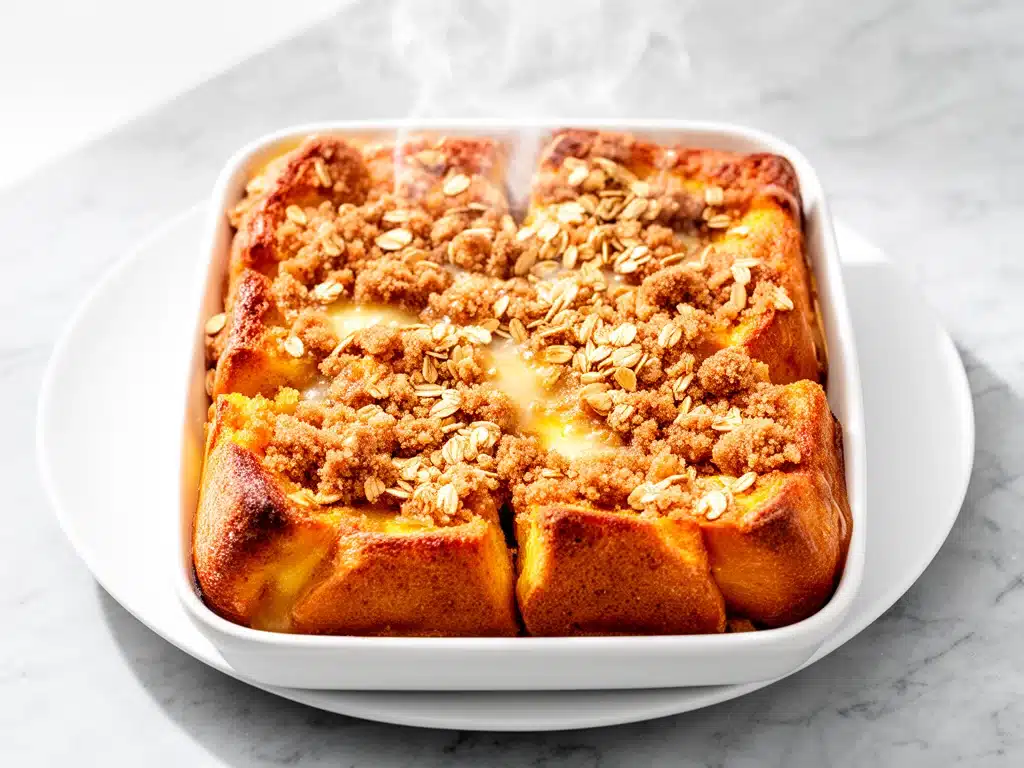
That was the year I finally stopped trying to be the perfect weekend hostess and started being the smart one. I pulled out an old recipe for make ahead overnight french toast casserole, prepped it the night before, and went to bed. The next morning, I walked into the kitchen, popped the dish into the oven, and went back to sleep. When the timer went off an hour later, the smell of cinnamon and toasted brioche woke up the entire neighborhood. We ate warm, custardy, golden squares of heaven at the table, relaxed and unhurried.
That single morning changed how I do breakfast. It’s no longer a chore; it’s a setup. This make ahead overnight french toast casserole isn’t just a recipe. It’s a strategy for reclaiming your weekends. It’s for those days when you want to serve something that looks like you spent hours in the kitchen, but really, you just spent 10 minutes the night before. I’ve tested this dish for holidays, for last-minute guests, and for lazy rainy Sundays. It never fails. And honestly? It’s better than fresh-baked French toast because the bread has time to soak up every drop of that vanilla custard.
Why You’ll Love This Recipe
Look, I know what you’re thinking. “Another breakfast casserole?” But hear me out. This one is different because it solves the biggest problem with weekend breakfasts: the timing. You want to sleep in, but you also want to eat well. This make ahead overnight french toast casserole lets you do both. Here’s why this has replaced my pancake stack and waffle iron for good:
- Zero Morning Stress — Seriously, if you can cube bread and whisk eggs, you can make this. I’ve prepped this while half-asleep on Saturday nights. The actual cooking is just pressing a button on the oven. No flipping, no splattering oil, no standing there watching every piece.
- Feeds an Army — One 9×13 dish feeds 8-10 people easily. I’ve served this to a crowd of 12 (with seconds) and everyone left happy. It’s perfect for brunches, holiday mornings, or just feeding a hungry family.
- Texture Perfection — Because it sits overnight, the bread doesn’t just get soggy; it becomes custardy. Think of it as the intersection of French toast and bread pudding. Crispy edges, soft center. It’s the best of both worlds.
- Make-Ahead Friendly — You can prep it Friday night for Sunday morning. Or Sunday night for Monday morning. It keeps in the fridge for up to 24 hours before baking. This flexibility is a game-changer for busy weeknights that turn into weekend mornings.
- Customizable — Want maple syrup? Go ahead. Want fruit? Throw it in. Want to keep it simple? It’s delicious plain. I’ve made this with blueberries, peaches, and even chocolate chips. It adapts to whatever you have in the fridge.
This is my go-to when I need breakfast to just work. No complicated techniques, no weird ingredients, just reliable, delicious food that makes everyone happy. It’s the kind of meal that makes people ask for the recipe, which means you get to feel like a genius without doing any extra work.
Ingredients You’ll Need
Here’s the best part: you probably have most of this already. This make ahead overnight french toast casserole relies on simple pantry staples and a few key quality items that make the difference between “meh” and “wow.”
For the Bread Base
Stale bread (about 1 loaf / 600g) — This is non-negotiable. You need bread that can absorb the custard without falling apart. Brioche or challah are ideal because they’re rich and slightly sweet. Day-old baguettes work too, but you’ll need more. If your bread is fresh, toast it lightly in the oven for 10 minutes to dry it out.
Butter (4 tablespoons / 60g) — For greasing the pan. I use salted butter because it adds flavor. If you’re using unsalted, add a pinch of salt to the custard.
For the Custard
Eggs (6 large) — Room temperature eggs mix better into the custard. Don’t skip this step if you have time. They create a smoother, more uniform texture.
Heavy cream (2 cups / 480ml) — This is what makes it rich. I know, it sounds heavy, but the cream creates that custardy center. You can use half-and-half if you want it lighter, but it won’t be as luxurious.
Whole milk (1 cup / 240ml) — Balances out the cream so it’s not too heavy. If you’re out of milk, use more cream or water, but the ratio matters for texture.
Vanilla extract (2 teaspoons) — Use real vanilla, not imitation. It makes a huge difference in the flavor profile. I keep a bottle of pure vanilla in my pantry at all times.
Cinnamon (1 teaspoon) — Ground cinnamon adds warmth. If you like it spicy, add a pinch of nutmeg or allspice. But keep it simple. You want the vanilla to shine.
Sugar (3 tablespoons / 40g) — White granulated sugar adds a slight crunch on top if you sprinkle it before baking. You can use brown sugar for a caramel note, but white is classic.
Salt (½ teaspoon) — Essential. It balances the sweetness. Don’t skip it.
Optional Add-ins
Berries (1 cup) — Blueberries or strawberries add bursts of flavor. I toss them in right before baking so they don’t make the bread soggy overnight.
Chopped nuts (½ cup) — Pecans or walnuts add crunch. Toast them first for extra flavor.
Chocolate chips (½ cup) — For a dessert-like twist. Use dark chocolate for a less sweet version.
I’m particular about three ingredients here: the bread, the cream, and the vanilla. If you skimp on those, the dish suffers. The rest is flexible. I once made this with sourdough and it was incredible. I’ve also made it with croissants for a buttery variation. But for the classic version, stick to the basics.
Equipment Needed
You don’t need fancy equipment for this. Here’s what I actually use.
9×13 inch baking dish — I use a ceramic one because it heats evenly. Glass works too, but metal might brown the edges too fast. Make sure it’s deep enough to hold the custard.
Large mixing bowl — Something big enough to whisk 6 eggs and 3 cups of liquid without spilling. I use a 4-quart bowl.
Whisk — Standard stuff. Whisk until the mixture is completely smooth and no egg whites are visible.
Sharp knife — For cutting the bread. A serrated knife works best for crusty bread.
Measuring cups and spoons — Pretty standard. Dollar store versions work fine.
Aluminum foil — Optional, but useful if you’re baking it cold from the fridge and the top is browning too fast.
Offset spatula — For spreading the butter evenly. Or just use a regular spoon.
I’m obsessed with my ceramic baking dish from Le Creuset—it’s like $30 and lasts forever. But honestly, any 9×13 dish works. Don’t have one? Use two 8×8 dishes. Just adjust the baking time slightly.
How to Make It: Step-by-Step
Alright, let’s make this! I’m walking you through exactly how I do it, including the little tricks I’ve picked up over years of making this make ahead overnight french toast casserole.
Step 1: Prep the Bread (5 minutes)
Start by cutting your bread into 1-inch cubes. If you’re using a loaf, cut it in half lengthwise, then into slices, then into cubes. Don’t worry about perfect squares—rustic is fine. Spread the cubes out on a baking sheet or directly into your greased 9×13 dish. If you’re prepping the night before, let them sit uncovered in the fridge to dry out slightly. This helps them absorb the custard better.
Step 2: Grease the Dish (2 minutes)
Butter your 9×13 baking dish generously. I use about 2 tablespoons of butter, melted, and brush it all over the bottom and sides. This ensures the edges get crispy and don’t stick. If you’re lazy, just use cooking spray, but butter tastes better.
Step 3: Make the Custard (3 minutes)
In your large bowl, whisk together the eggs, heavy cream, milk, vanilla, cinnamon, sugar, and salt. Whisk vigorously until the mixture is uniform and no streaks of egg white remain. This is crucial for a smooth texture. If you see white bits, keep whisking.
Step 4: Combine (2 minutes)
Pour the custard evenly over the bread cubes. Use a spatula to press down on the bread gently, ensuring every piece is submerged. If some pieces are sticking out, tilt the dish and pour more custard over them. Let it sit for 5 minutes, then press down again. The bread will absorb the liquid.
Step 5: Refrigerate Overnight (8-12 hours)
Cover the dish tightly with plastic wrap or foil. Place it in the fridge. This is where the magic happens. The bread soaks up the custard, becoming soft and flavorful. You can leave it for up to 24 hours. If you’re in a hurry, let it sit for 1 hour at room temperature, but overnight is best.
Step 6: Bake (45-50 minutes)
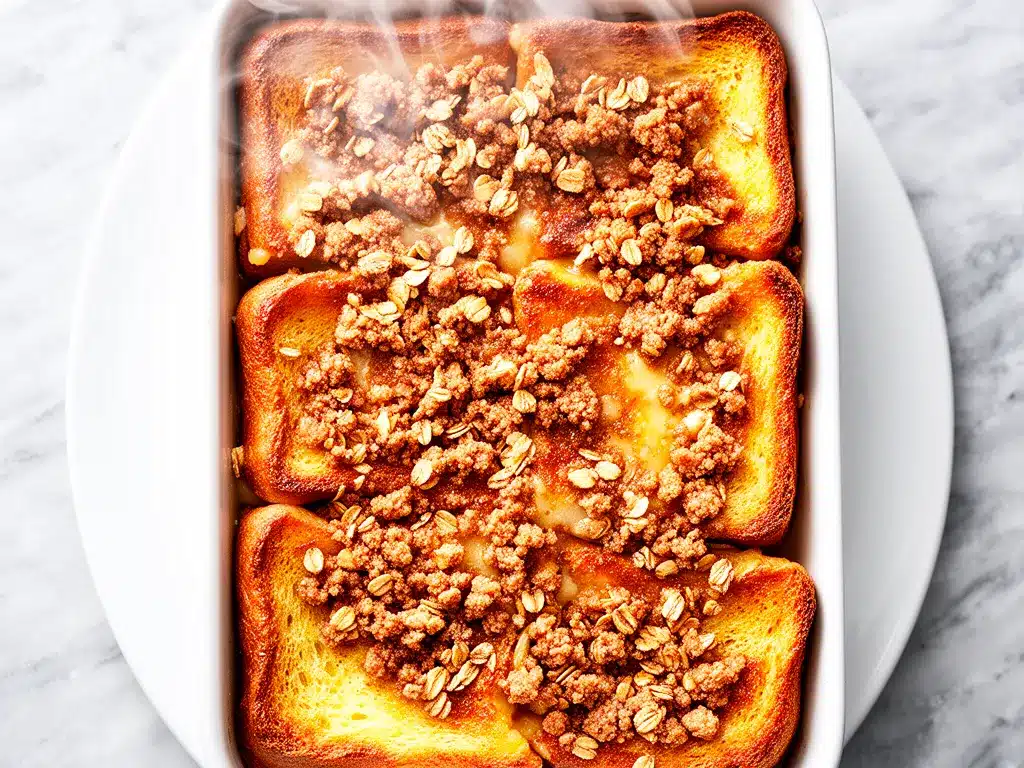
Preheat your oven to 350°F (175°C). Take the dish out of the fridge and let it sit for 15 minutes while the oven heats. Sprinkle extra cinnamon sugar on top if you like a crunchy crust. Bake for 45-50 minutes, until the top is golden brown and the center is set (it should jiggle slightly like a custard, not be liquid).
Step 7: Rest and Serve (10 minutes)
Let the casserole rest for 10 minutes before serving. This allows the custard to set further, making it easier to slice. Cut into squares and serve warm with maple syrup, powdered sugar, or fresh fruit.
Total Time: About 10 minutes active prep, plus overnight soaking. Baking takes 45 minutes.
Expert Tips & Tricks
Here’s everything I’ve learned from making this dozens of times. These tips will save you from my mistakes.
Use Day-Old Bread
Fresh bread turns to mush. Stale bread absorbs custard without disintegrating. If your bread is fresh, toast it at 300°F for 10 minutes. I’ve ruined batches with fresh bread, and it’s not pretty. Trust me.
Don’t Skimp on the Butter
The edges are the best part. A well-greased dish ensures those edges get crispy and caramelized. I learned this the hard way with a soggy bottom that looked sad. Grease generously.
Press Down Twice
Bread floats. Press it down immediately after pouring custard, then again after 5 minutes. This ensures even soaking. If some pieces are dry, you’ll have uneven texture.
Room Temperature Before Baking
Take the dish out of the fridge 15 minutes before baking. Cold custard in a cold dish takes longer to cook evenly. It prevents the center from being undercooked while the edges burn.
Common Mistakes
Mistake: Center is runny. Fix: Bake longer. It should jiggle slightly but not slosh. If it’s liquid, cover with foil and bake 10 more minutes.
Mistake: Top is burning. Fix: Cover with foil after 30 minutes. The sugar in the custard browns fast.
Mistake: Bread is dry. Fix: You didn’t use enough custard. Next time, increase the liquid by 10%.
Variations & Substitutions
Once you’ve nailed the basic version, here’s how you can mix it up. I’ve tried all of these.
Blueberry Lemon
Add 1 cup fresh blueberries and zest of 1 lemon to the custard. Bright and fresh. My kids love this version.
Bacon Maple
Cook 6 strips of bacon, crumble, and mix into the bread. Drizzle maple syrup on top after baking. Savory and sweet. It’s like a breakfast burger in casserole form.
Chocolate Hazelnut
Use Nutella instead of sugar. Add ½ cup chopped hazelnuts. It’s decadent and tastes like a dessert. Serve with whipped cream.
Gluten-Free
Use gluten-free bread. Make sure it’s sturdy—some GF bread falls apart. I use Dave’s Killer Bread GF, which holds up well.
Dairy-Free
Replace cream with coconut cream and milk with oat milk. Use vegan butter. It’s rich and creamy, though the flavor is slightly different. My lactose-intolerant friend loves this version.
Vegetarian
This recipe is naturally vegetarian. Just ensure your bread doesn’t contain dairy or eggs (most don’t, but check labels).
Serving & Storage
How to Serve:
I usually serve this straight from the dish at the table. It looks rustic and stays warm. But here are other ways I’ve enjoyed it:
Side Dishes:
- Fresh fruit — Strawberries, blueberries, or sliced bananas.
- Yogurt — Greek yogurt with honey adds protein and tang.
- Bacon or sausage — For a heartier meal.
Toppings Bar:
When I have guests, I put out: maple syrup, powdered sugar, fresh berries, whipped cream, and chopped nuts. Everyone customizes their bowl.
Storage Instructions:
Refrigerator: Store leftovers in an airtight container for up to 4 days. Reheat in the microwave for 1-2 minutes or in the oven at 350°F for 15 minutes.
Freezing: You can freeze unbaked casserole. Wrap tightly and freeze for up to 3 months. Thaw overnight in the fridge before baking. Baked leftovers freeze well too, but the texture may be slightly softer.
Meal Prep: Prep the night before. In the morning, just pop it in the oven. It’s perfect for busy weeknights that turn into weekend mornings.
Nutrition Information
I’m not a nutritionist, but here’s the breakdown if you’re tracking. This is per serving (based on 9 servings).
Calories: 380 | Protein: 12g | Carbs: 42g | Fiber: 1g | Sugar: 18g | Fat: 18g | Saturated Fat: 10g | Cholesterol: 180mg | Sodium: 320mg
What’s Good: Decent protein from eggs and cheese. Calcium from dairy. It’s more filling than pancakes.
What to Know: Higher in calories from cream and bread. Contains dairy and gluten. Moderate sugar.
My Take: Look, this is comfort food. It’s not a diet recipe. But it’s better than takeout, costs less, and I know exactly what’s in it. When I want to make it lighter, I use half-and-half and less sugar. But usually? I just enjoy it.
Final Thoughts
So that’s my make ahead overnight french toast casserole! I’ve probably talked your ear off at this point, but when you make a recipe this often, you have a lot to say about it.
This has saved weekend mornings more times than I can count. It’s my answer to “what’s for breakfast” when I’m tired, don’t want to cook, and still want something that tastes really good. My kids are happy, my husband’s happy, and I’m happy because I’m not stressed about cooking.
Make it yours! Try different add-ins, swap in your favorite fruits, adjust the sweetness. The best recipes are the ones you adapt to your family’s tastes. If you make this, drop a comment and let me know what you think! I love hearing how recipes turn out in your kitchen.
Happy cooking! And I hope your kitchen smells half as good as mine does right now.
Frequently Asked Questions
Can I use fresh bread instead of stale bread?
You can, but it’s not ideal. Fresh bread will absorb too much custard and turn mushy. If you must use fresh bread, toast it at 300°F for 10 minutes to dry it out. Stale bread is key for that custardy texture.
Can I make this ahead for a dinner party?
Absolutely. Prep it the night before and bake it in the morning. It’s perfect for brunches. I’ve made this for holiday gatherings with 20 people (using two dishes) and it was a hit.
Why did my casserole turn out soggy?
Usually means you used fresh bread or didn’t bake it long enough. Make sure the bread is dry and bake until the center is set. If it’s still soggy, cover with foil and bake 10 more minutes.
Can I freeze this casserole?
Yes. Freeze unbaked casserole for up to 3 months. Thaw overnight in the fridge before baking. Baked leftovers also freeze well, but the texture may be softer. I prefer making it fresh.
Can I use milk instead of heavy cream?
You can, but the sauce will be less rich. If you want to try it, use whole milk and add 2 tablespoons of flour to thicken it. Whisk the flour into the milk before adding to the pan. I’ve done this when I ran out of cream—it works okay, just not as good as the real thing. Half-and-half is a better middle ground.
How do I reheat leftovers without it getting dry?
Add a splash of milk or cream to a skillet, add your leftover casserole, and heat gently over low heat, stirring frequently. The extra liquid brings back the creamy texture. Microwave sort of works but tends to dry it out. If you do microwave, definitely add a splash of milk first and heat in short bursts, stirring between.
Can I double this recipe?
Absolutely! Double everything and use two 9×13 dishes or one large pan. The cooking times stay the same. I do this when I’m meal-prepping or feeding a crowd. Just make sure your oven has room for both dishes.
For more easy make-ahead ideas, check out my Back to School Chicken Caesar Wraps for lunch prep, or try my Soft Baked Ham Cheese Pretzel Bites for a savory snack option. If you need a refreshing drink to go with your brunch, this Healthy Green Apple Spinach Smoothie is a great choice.
Pin This Recipe!
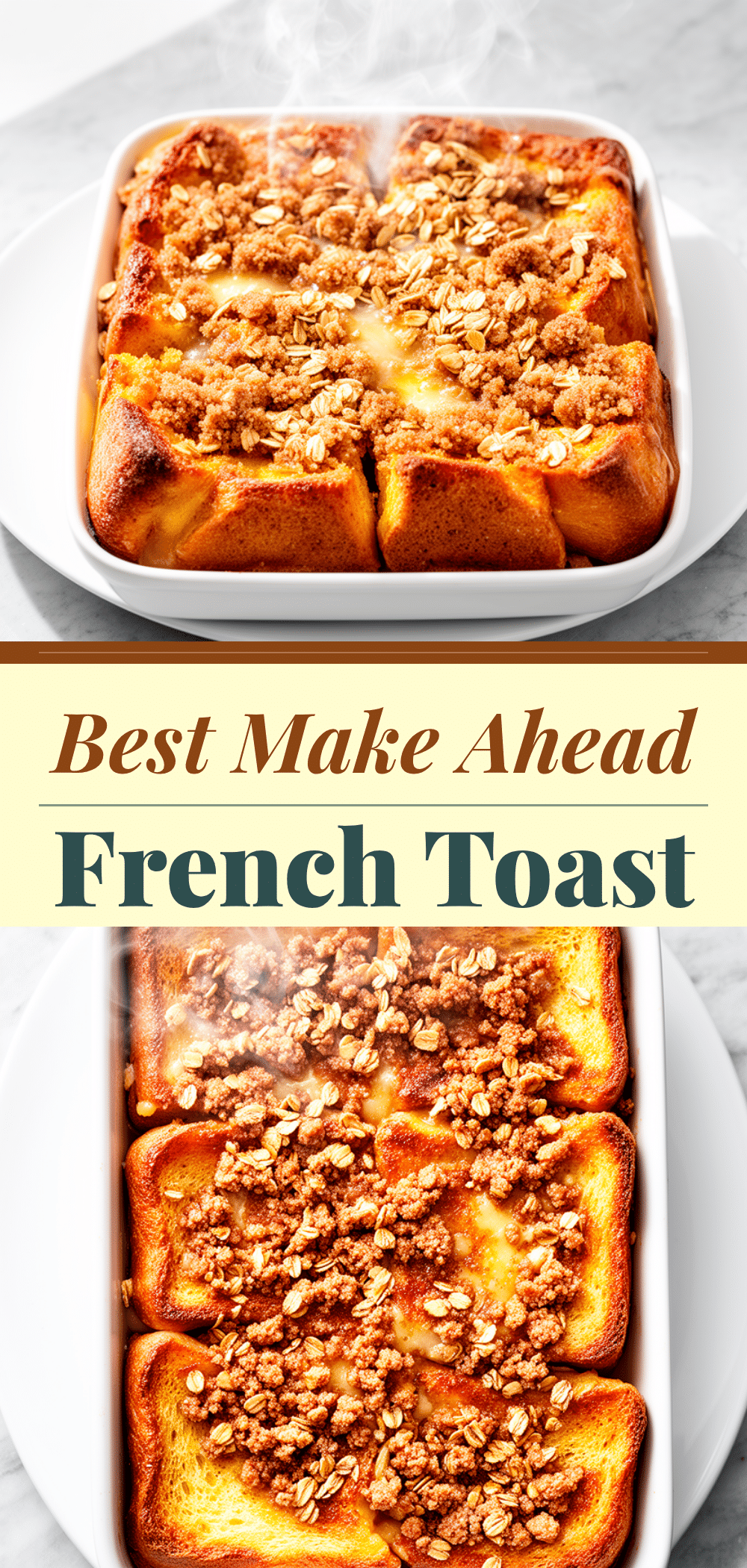

Make Ahead Overnight French Toast Casserole
- Total Time: 55 minutes (plus overnight soaking)
- Yield: 9 servings 1x
Description
A stress-free, make-ahead breakfast casserole that soaks overnight for a custardy texture. Perfect for feeding a crowd with minimal morning effort.
Ingredients
- 1 loaf (600g) stale bread (brioche or challah recommended), cut into 1-inch cubes
- 4 tablespoons (60g) butter, for greasing the dish
- 6 large eggs, room temperature
- 2 cups (480ml) heavy cream
- 1 cup (240ml) whole milk
- 2 teaspoons vanilla extract
- 1 teaspoon ground cinnamon
- 3 tablespoons (40g) white granulated sugar
- 1/2 teaspoon salt
- Optional: 1 cup berries, 1/2 cup chopped nuts, or 1/2 cup chocolate chips
Instructions
- Preheat oven to 350°F (175°C).
- Grease a 9×13 inch baking dish generously with butter.
- Cut bread into 1-inch cubes and spread them into the prepared baking dish.
- In a large bowl, whisk together eggs, heavy cream, milk, vanilla, cinnamon, sugar, and salt until smooth.
- Pour the custard evenly over the bread cubes. Press down gently with a spatula to ensure all bread is submerged.
- Let sit for 5 minutes, then press down again to ensure even soaking.
- Cover the dish tightly with plastic wrap or foil and refrigerate for 8-12 hours (overnight).
- Remove from fridge and let sit at room temperature for 15 minutes while oven preheats.
- Sprinkle with extra cinnamon sugar if desired.
- Bake for 45-50 minutes until the top is golden brown and the center is set (jiggles slightly like custard).
- Let rest for 10 minutes before slicing and serving.
Notes
Use day-old or stale bread to prevent mushiness. If using fresh bread, toast it lightly first. Press the bread down twice to ensure even soaking. If the top browns too quickly, cover with foil during baking. For a lighter version, substitute half-and-half for heavy cream.
- Prep Time: 10 minutes
- Cook Time: 45 minutes
- Category: Breakfast
- Cuisine: American
Nutrition
- Serving Size: 1 square slice
- Calories: 380
- Sugar: 18
- Sodium: 320
- Fat: 18
- Saturated Fat: 10
- Carbohydrates: 42
- Fiber: 1
- Protein: 12
Keywords: french toast casserole, make ahead breakfast, overnight french toast, easy brunch, brioche french toast, holiday breakfast