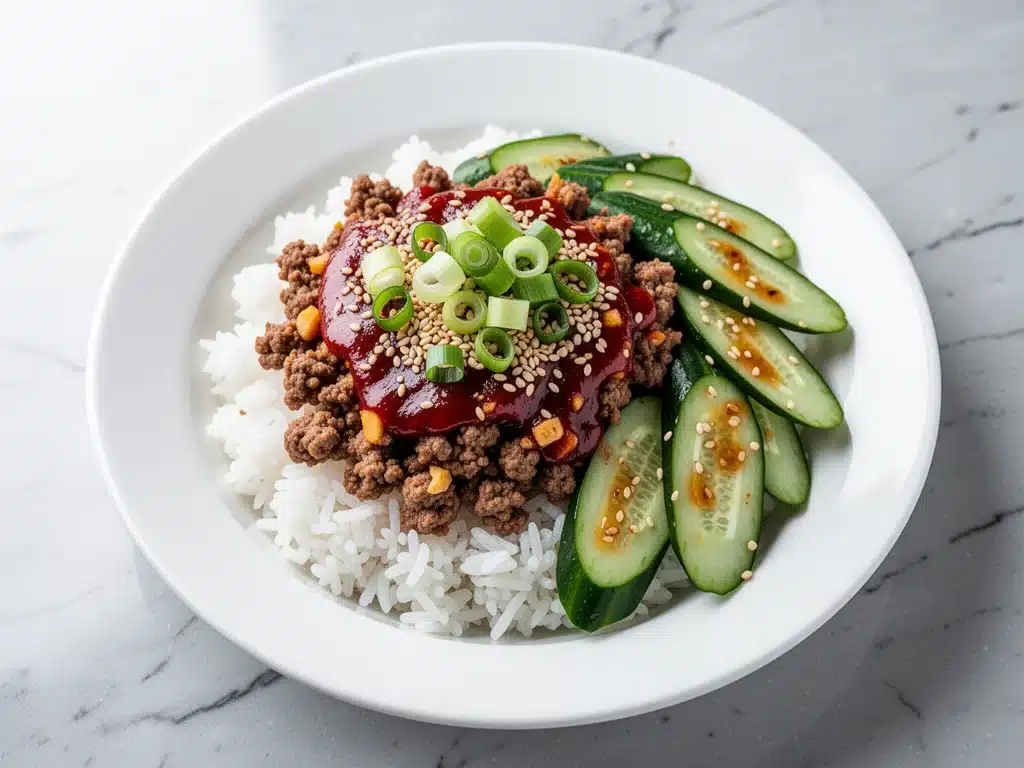
It was 6:15 PM on a Tuesday, and I was standing in front of an open refrigerator, staring into the abyss. You know the look. The light flickers, the leftover takeout containers are getting lonely, and the kids are starting that specific whine that signals dinner is at least an hour away. I had ground beef in the freezer (which had been there since Sunday) and a jar of gochujang that I’d bought on a whim three months ago and completely forgot about.
I wasn’t planning to cook. I was planning to order Thai food. But then I remembered the gochujang. I scraped the lid off that stubborn, spicy paste, mixed it with soy sauce and a little brown sugar, and threw it over the browning beef. Ten minutes later, the smell of savory, sweet, and spicy garlic filling the kitchen stopped the whining cold. My kids came running, not because they smelled dinner, but because they smelled flavor.
That was the birth of our obsession with these Korean Ground Beef Rice Bowls. What started as a desperate pantry rescue turned into our family’s favorite weeknight meal. It’s sticky, it’s spicy, it’s sweet, and it comes together faster than you can scroll through delivery apps. I’ve made this recipe probably fifty times in the last year, tweaking the spice level for my picky eater and ramping it up for myself. The result? A 15-minute meal that tastes like it came from a busy Seoul street stall, but with zero stress and a whole lot of comfort.
If you’ve been looking for a way to break the “what’s for dinner” cycle without spending an hour chopping vegetables, this is it. The gochujang glaze is the star here—it’s that deep, fermented red chili paste that adds a complexity you just can’t get from ketchup and hot sauce. Once you taste that sauce clinging to the beef and rice, you’ll never go back to plain taco meat or boring meatloaf again.
Why You’ll Love This Recipe
I’m not exaggerating when I say this has saved our sanity. We are a busy household, and dinner time is usually chaotic. This recipe brings order to the chaos because it’s forgiving, fast, and universally loved. Here’s why this Korean Ground Beef Rice Bowl has earned a permanent spot in our rotation:
- Stupidly Fast — Seriously. I’m talking 15 minutes from start to finish. That includes cooking the rice if you start it at the same time (which you should). If you have leftover rice, it’s done in 10. I’ve made this on nights when I walked in the door at 7:30 PM and had it on the table by 7:45.
- The Sauce is Addictive — It’s that perfect balance of sweet, salty, and spicy. The gochujang gives it a unique depth that regular teriyaki just doesn’t have. My husband, who claims he’s “not a spicy food person,” asks for extra sauce every time.
- Pantry Staples — You probably have most of this already. Ground beef, rice, soy sauce, brown sugar, garlic, ginger. The only thing you might need to grab is the gochujang paste. It keeps in your fridge forever, so buy one jar and you’re set for months.
- Kid-Approved — This is huge for us. The sweetness from the brown sugar and the familiar texture of ground beef make it approachable for kids. I serve it with just a hint of heat, and they devour it. You can always let adults add more chili flakes if they want a kick.
- Meal Prep Friendly — I make a double batch on Sundays. The beef reheats beautifully in the microwave, and the flavors actually get better after sitting in the fridge for a day. It’s my go-to lunch for work, right alongside my high-protein buffalo chicken bowl.
- Customizable — Love veggies? Toss in some broccoli or bell peppers. Want it lighter? Use turkey. Hate rice? Serve it over zucchini noodles. This recipe is a blank canvas for your cravings.
This is the recipe I make when I want to feel like a gourmet cook but only have the energy of a sloth. It’s reliable, delicious, and makes everyone happy.
Ingredients You’ll Need
Here’s the best part: you don’t need a trip to a specialty Asian market for this. Most of this is standard grocery store fare. I’m particular about the gochujang, though—it’s the heart and soul of this dish, so don’t skip it or try to substitute it with sriracha (it just won’t taste the same).
For the Beef
Ground beef (1 pound / 450g) — I use 80/20 fat ratio. The fat carries the flavor and keeps the beef juicy. Lean beef tends to dry out and crumble too much. If you prefer turkey or chicken, that works too, but you’ll need to be careful not to overcook it.
Yellow onion (1 medium, finely diced / about 150g) — This adds sweetness and body. Don’t skip the onion; it’s the base of the flavor. Finely dice it so it cooks down and blends into the sauce rather than being chunky.
Garlic (4-5 cloves, minced / about 2 tablespoons) — Fresh garlic is non-negotiable here. Jarred garlic has a sulfurous aftertaste that clashes with the delicate sweetness of the glaze. Mince it fine so it distributes evenly.
Fresh ginger (1 tablespoon, grated) — This is what gives it that authentic Korean kick. Grate it on a microplane so it melts into the sauce. If you absolutely must use powdered ginger, use 1 teaspoon, but fresh is so much better.
For the Gochujang Glaze
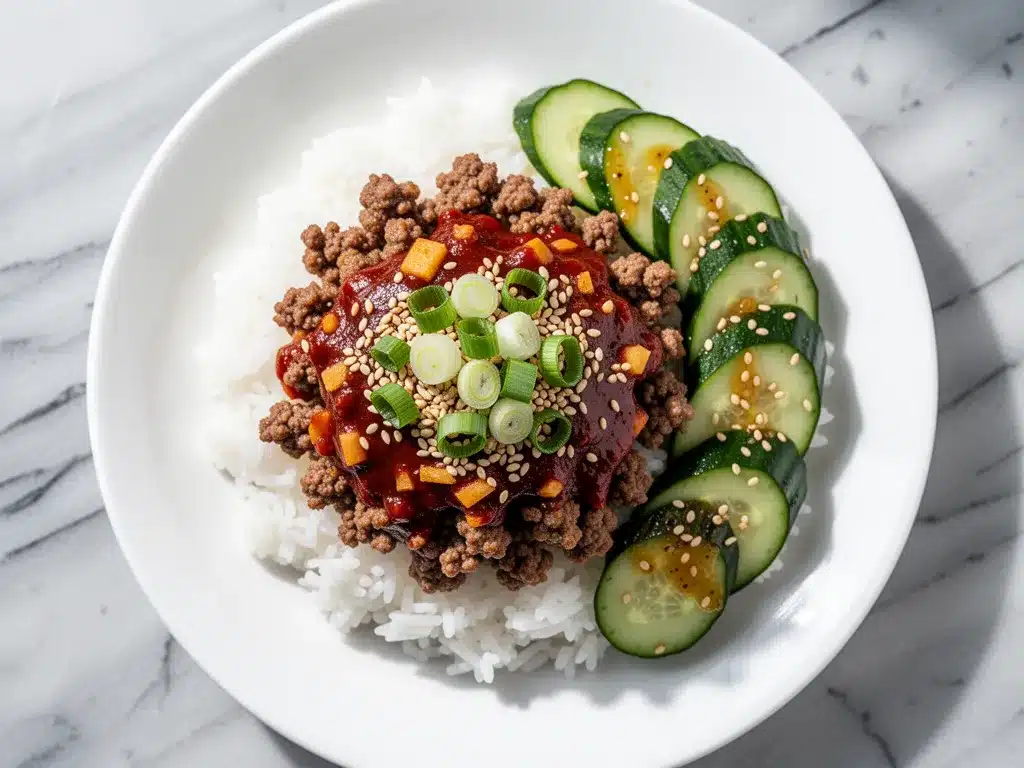
Gochujang paste (3 tablespoons) — This is fermented red chili paste. Look for it in the Asian aisle of most supermarkets or online. Brands like Sunchang are great. It’s spicy, savory, and slightly sweet on its own.
Soy sauce (3 tablespoons) — I use low-sodium soy sauce so I can control the saltiness. If you use regular soy sauce, you might want to reduce the added salt later. Tamari is a good gluten-free alternative.
Brown sugar (2 tablespoons) — This balances the heat from the gochujang. Dark brown sugar has a deeper molasses flavor, which I prefer, but light brown works fine too.
Rice vinegar (1 tablespoon) — Adds a little acidity to cut through the richness. Apple cider vinegar works in a pinch, but rice vinegar is the traditional choice.
Sesame oil (1 teaspoon) — Toasted sesame oil. This is potent. A little goes a long way. It adds that nutty aroma that screams “Asian-inspired.”
Water (2-3 tablespoons) — Helps thin out the sauce so it coats the beef nicely without being too thick or sticky.
For Serving
White rice (2 cups cooked) — Short-grain Japanese rice is best because it’s sticky and holds up well to the sauce. Jasmine rice works too, but it’s fluffier. You can also use brown rice for a nuttier flavor, though it takes longer to cook.
Sesame seeds (1 tablespoon, toasted) — Adds a nice crunch and visual appeal. Toast them in a dry pan for a minute until they’re golden.
Green onions (2-3 stalks, sliced thinly) — For fresh color and a mild onion bite. I love the contrast of the cool green against the hot, spicy beef.
Optional Add-ins — Shredded carrots, cucumber ribbons, or steamed broccoli. I often throw in some air-fryer Brussels sprouts on the side for a veggie boost that actually tastes good.
Equipment Needed
You don’t need fancy gadgets for this. Here’s what I actually use on a normal Tuesday night:
Large skillet or wok — I prefer a 12-inch non-stick skillet. It needs to be wide enough to spread the beef out so it browns instead of steams. A wok works great if you have one, but a skillet is easier for most people.
Rice cooker or medium pot — For the rice. I use a rice cooker because it’s set-it-and-forget-it. If you’re using a pot, just make sure it has a tight-fitting lid.
Wooden spoon or spatula — For breaking up the beef and stirring the sauce. Silicone is fine too, just avoid metal if you have a non-stick pan.
Small bowl — For mixing the glaze. I mix it before I start cooking the beef so everything is ready to go.
Microplane or grater — For the fresh ginger. If you don’t have one, mince the ginger as finely as you can with a knife.
Measuring spoons — Standard stuff. Dollar store versions work fine.
Sharp knife and cutting board — For the onion and green onions. A dull knife makes dicing onions a nightmare—learned this the hard way.
How to Make It: Step-by-Step
Alright, let’s make this! I’m walking you through exactly how I do it, including the little tricks I’ve picked up over dozens of batches.
Step 1: Get the Rice Started
Rinse your rice under cold water until the water runs clear. This removes excess starch and prevents it from getting gummy. Cook it according to your package instructions. If you’re using a rice cooker, just hit the button. If you’re using a pot, bring it to a boil, cover, reduce to low, and simmer for 18 minutes. Let it sit off heat for 5 minutes before fluffing. You want fluffy, separate grains to soak up that sauce.
Step 2: Mix the Glaze
In a small bowl, whisk together the gochujang, soy sauce, brown sugar, rice vinegar, sesame oil, and water. Whisk it until the sugar is dissolved. It should look like a thick, reddish-brown syrup. Taste it—it should be spicy, sweet, and salty. If it’s too spicy for your kids, add a little more sugar or a splash of water.
Step 3: Brown the Beef
Heat your skillet over medium-high heat. Add the ground beef and diced onion. Break up the beef with your spoon as it cooks. You want to cook it until it’s browned and no pink remains, about 6-7 minutes. Drain any excess fat if there’s a lot, but leave a little for flavor. The onions should be soft and translucent by now.
Step 4: Add the Aromatics
Reduce the heat to medium. Add the minced garlic and grated ginger. Cook for just 30 seconds to 1 minute, stirring constantly. You just want them to get fragrant. Do not let the garlic brown or burn—it will turn bitter. If your pan looks dry, add a teaspoon of oil.
Step 5: Simmer in the Sauce
Pour the gochujang glaze over the beef. Stir everything together well, making sure the beef is coated. Let it simmer for 2-3 minutes. The sauce will bubble and thicken, clinging to the meat. It should look glossy and sticky. If it gets too thick, add a splash more water. If it’s too thin, let it cook for another minute.
Step 6: Finish and Serve
Remove from heat. Taste and adjust seasoning if needed. Add a pinch of red pepper flakes if you want more heat. Serve immediately over a bed of hot rice. Sprinkle with toasted sesame seeds and sliced green onions. The steam from the rice will mingle with the spicy beef, and that’s when the magic happens.
Total time: About 15 minutes (if rice is already cooked) or 25 minutes (if starting rice from scratch).
Expert Tips & Tricks
Here’s everything I’ve learned from making this dozens of times. These tips will save you from my mistakes.
- Don’t Overcrowd the Pan — If you’re doubling the recipe, cook the beef in two batches. Overcrowding steams the meat instead of browning it. You want that caramelized crust on the beef for flavor.
- Fresh Ginger is Key — I know it’s a pain to grate, but pre-minced ginger in a jar has a metallic taste that ruins the sauce. Fresh ginger adds a bright, zesty heat that complements the gochujang perfectly.
- Control the Heat — Gochujang varies in spiciness by brand. If you’re sensitive to spice, start with 2 tablespoons and add more to taste. You can always add heat, but you can’t take it away. For kids, I often mix the sauce with a little extra sugar or honey to mellow it out.
- Toast Your Sesame Seeds — Raw sesame seeds are bland. Toast them in a dry skillet for 2-3 minutes until they’re golden and fragrant. It takes one minute and elevates the dish from “good” to “restaurant quality.”
- Use Leftover Rice — Freshly cooked rice is great, but day-old rice actually works better for bowls because it’s firmer and doesn’t get mushy under the hot sauce. I often cook a big batch of rice on Sunday and use it all week.
- Vegetable Boost — I love adding shredded carrots or steamed broccoli. Toss the veggies in the last minute of cooking so they stay crisp-tender. It adds color and nutrition without changing the flavor profile.
Variations & Substitutions
Once you’ve nailed the basic version, here’s how you can mix it up. I’ve tried all of these.
Protein Swaps
Turkey or Chicken — Use lean ground turkey or chicken breast. It’s lighter and lower in fat. You might need to add an extra teaspoon of sesame oil since leaner meat has less fat. It’s still delicious, just a bit different.
Pork — Ground pork is naturally juicier and sweeter. It pairs beautifully with the gochujang. I use pork when I want something extra rich.
Plant-Based — Use a plant-based ground beef alternative. I’ve used Beyond Meat and it works well, but you’ll need to adjust the sauce slightly since the plant meat doesn’t render fat. Add a little extra oil to the pan.
Veggie Add-Ins
Bell Peppers — Dice up a red or green bell pepper and cook it with the onions. Adds sweetness and crunch.
Mushrooms — Sliced button or shiitake mushrooms add an earthy umami flavor. Cook them with the beef until they release their moisture.
Spinach — Stir in a handful of fresh spinach in the last 30 seconds. It wilts instantly and adds a pop of green.
Dietary Modifications
Gluten-Free — Use tamari instead of soy sauce and check your gochujang label (most are gluten-free, but some contain wheat). Serve over rice or cauliflower rice.
Lower Carb — Serve over cauliflower rice or zucchini noodles. The sauce is still amazing, just without the carb-heavy rice base.
Dairy-Free — This recipe is naturally dairy-free, so no changes needed!
Serving & Storage
How to Serve
I usually serve this straight from the skillet at the dinner table—it looks rustic and stays warm. But here are other ways I’ve enjoyed it:
- Classic Bowl — Rice topped with beef, green onions, and sesame seeds. Simple and satisfying.
- Salad Style — Serve over a bed of mixed greens with shredded carrots and cucumber. Add a fried egg on top for extra protein.
- Wrap — Use lettuce leaves or rice paper wrappers to make wraps. Fun for kids!
Storage Instructions
Refrigerator: Store the beef and sauce in an airtight container for up to 4 days. The rice should be stored separately. The beef will thicken in the fridge—totally normal.
Reheating: Best method: Add the beef to a skillet with a splash of water or broth over low heat. Stir until heated through and saucy again. Microwave method: Heat in 30-second intervals, stirring between. Add a splash of water to prevent drying out. Never reheat the rice and beef together in the microwave for too long—the rice will get hard. Reheat them separately and combine.
Freezing: This freezes well! Store the beef mixture in freezer-safe bags for up to 3 months. Thaw in the fridge overnight and reheat as directed. The texture might be slightly softer, but the flavor remains excellent.
Pro tip: If leftovers are drying out, stir in a teaspoon of sesame oil when reheating. Brings back that glossy, rich texture.
Nutrition Information
I’m not a nutritionist, but here’s the breakdown if you’re tracking. This is per serving (based on 4 servings with 1 cup rice and 1/4 of the beef per bowl).
- Calories: 450
- Protein: 25g
- Carbs: 50g
- Fiber: 2g
- Sugar: 6g
- Fat: 18g
- Sodium: 600mg
What’s Good: High protein from the beef, filling carbs from the rice, and probiotic benefits from the fermented gochujang. It’s a balanced meal that keeps you full.
What to Know: Sodium can be high depending on the soy sauce used. Use low-sodium soy sauce to reduce this. The fat content is moderate, mostly from the beef. If you use lean turkey, it drops significantly.
Final Thoughts
So that’s my go-to Korean Ground Beef Rice Bowl! I’ve probably talked your ear off at this point, but when you make a recipe this often, you have a lot to say about it.
This has saved weeknight dinners more times than I can count. It’s my answer to “what’s for dinner” when I’m tired, don’t want takeout, and still want something that tastes really good. My kids are happy, my husband’s happy, and I’m happy because I’m not stressed about cooking.
Make it yours! Try different add-ins, swap in your favorite vegetables, adjust the garlic (though more is always better in my opinion). The best recipes are the ones you adapt to your family’s tastes.
If you make this, drop a comment and let me know what you think! I love hearing how recipes turn out in your kitchen. And if something doesn’t work, tell me that too—I’m here to help troubleshoot.
Happy cooking! And I hope your kitchen smells half as good as mine does right now.
Frequently Asked Questions
Can I use sriracha instead of gochujang?
You can, but the flavor will be different. Gochujang is fermented, thick, and has a deep umami flavor. Sriracha is thinner, vinegary, and just spicy. If you use sriracha, add a tablespoon of soy sauce and a teaspoon of miso paste to mimic the depth. But honestly, gochujang is worth the trip to the store. It’s the secret ingredient that makes this recipe special.
Why is my sauce too spicy?
Gochujang varies in heat level. If it’s too spicy for your taste, add more brown sugar or honey to balance it. A splash of rice vinegar can also help cut the heat. For kids, I often mix the sauce with a little extra sugar and serve it on the side so they can control the spice.
Can I make this ahead for meal prep?
Absolutely! This is one of my favorite meal prep lunches. Cook a big batch of rice and beef on Sunday. Store them in separate containers in the fridge for up to 4 days. Reheat them separately and combine. The flavors actually get better after sitting in the fridge for a day. I pair this with my Mediterranean ground beef gyro bowl for variety during the week.
Can I use brown rice instead of white rice?
Yes! Brown rice has a nuttier flavor and more fiber. It takes longer to cook, so plan accordingly. The sauce works great with brown rice, and the texture holds up well. Just make sure to rinse the rice well before cooking.
How do I reheat leftovers without it getting dry?
Add a splash of water or broth to the beef when reheating. If using the microwave, cover the bowl with a damp paper towel to create steam. This helps keep the beef moist and the sauce loose. For rice, sprinkle a little water on top before microwaving.
Is gochujang gluten-free?
Most gochujang is gluten-free, but some brands contain wheat. Always check the label. If you need to be gluten-free, use tamari instead of soy sauce and verify your gochujang brand. I use Sunchang, which is gluten-free.
Can I double this recipe?
Yes! Double all the ingredients. Just make sure you have a large enough skillet to cook the beef in a single layer. If you’re cooking for a crowd, you might need to do two batches. The sauce ratio stays the same.
Pin This Recipe!
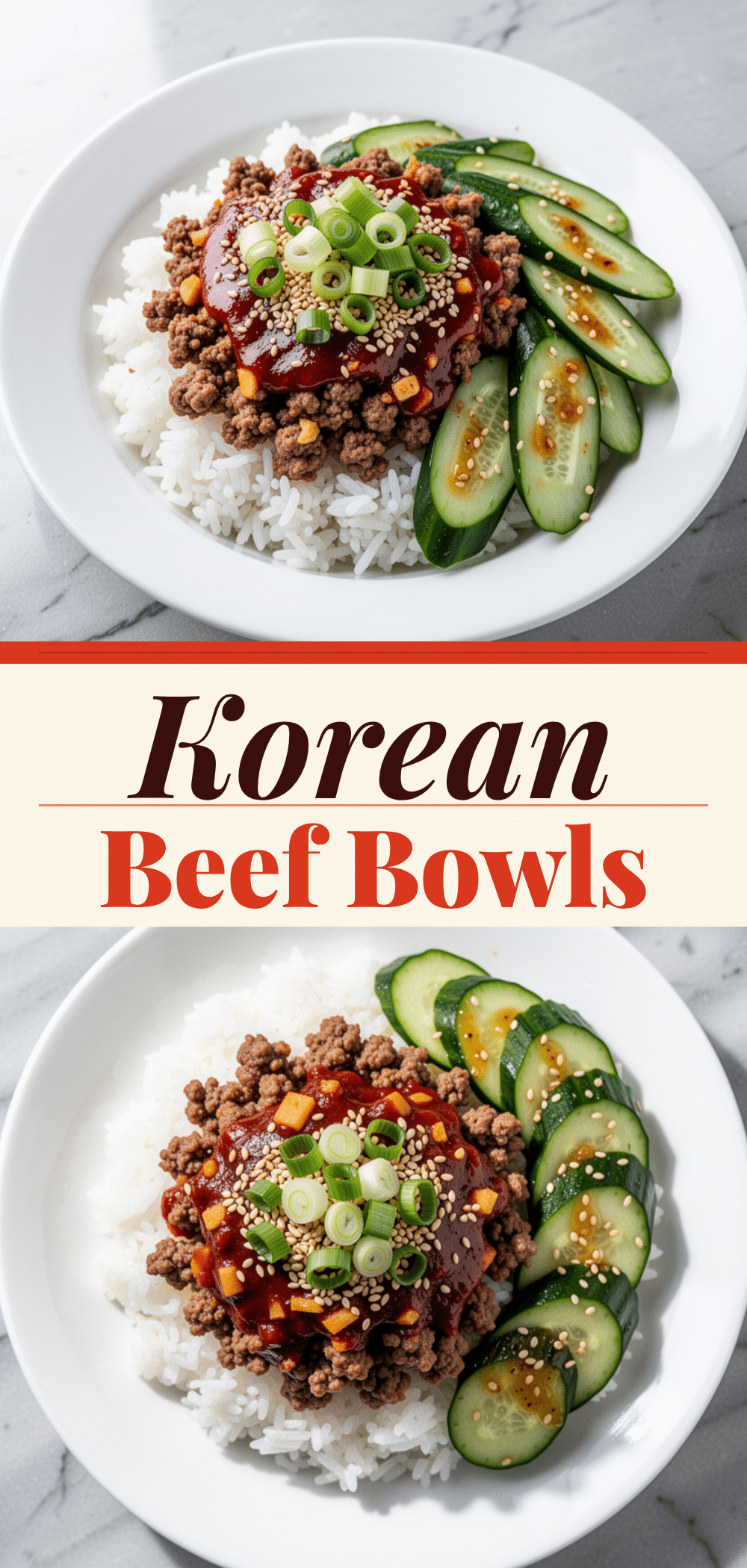
Korean Ground Beef Rice Bowls: Easy 15-Min Family Favorite
- Total Time: 15 minutes
- Yield: 4 servings 1x
Description
A quick and flavorful weeknight meal featuring ground beef in a sweet, spicy, and savory gochujang glaze, served over fluffy rice. This recipe comes together in just 15 minutes and is perfect for busy families.
Ingredients
- 1 pound ground beef (80/20 fat ratio)
- 1 medium yellow onion, finely diced
- 4–5 cloves garlic, minced
- 1 tablespoon fresh ginger, grated
- 3 tablespoons gochujang paste
- 3 tablespoons soy sauce (low-sodium or tamari for gluten-free)
- 2 tablespoons brown sugar
- 1 tablespoon rice vinegar
- 1 teaspoon toasted sesame oil
- 2–3 tablespoons water
- 2 cups cooked white rice (short-grain preferred)
- 1 tablespoon toasted sesame seeds
- 2–3 stalks green onions, sliced thinly
Instructions
- Rinse rice under cold water until water runs clear. Cook according to package instructions (rice cooker or pot method) until fluffy. Let sit off heat for 5 minutes before fluffing.
- In a small bowl, whisk together gochujang, soy sauce, brown sugar, rice vinegar, sesame oil, and water until sugar is dissolved.
- Heat a large skillet or wok over medium-high heat. Add ground beef and diced onion. Break up beef with a spoon and cook until browned and no pink remains (6-7 minutes). Drain excess fat if necessary.
- Reduce heat to medium. Add minced garlic and grated ginger. Cook for 30 seconds to 1 minute until fragrant, being careful not to burn the garlic.
- Pour the gochujang glaze over the beef. Stir to coat evenly and simmer for 2-3 minutes until the sauce thickens and becomes glossy. Add a splash of water if too thick.
- Remove from heat. Taste and adjust seasoning if needed. Serve immediately over hot rice, topped with toasted sesame seeds and sliced green onions.
Notes
For best results, use fresh ginger rather than jarred. Toast sesame seeds in a dry pan for 1-2 minutes until golden for better flavor. If the sauce is too spicy, add more brown sugar or honey. Leftovers can be stored in the refrigerator for up to 4 days or frozen for up to 3 months. Reheat with a splash of water to maintain moisture.
- Prep Time: 5 minutes
- Cook Time: 10 minutes
- Category: Main Course
- Cuisine: Korean
Nutrition
- Serving Size: 1 cup rice and 1/4 o
- Calories: 450
- Sugar: 6
- Sodium: 600
- Fat: 18
- Carbohydrates: 50
- Fiber: 2
- Protein: 25
Keywords: Korean ground beef, gochujang, rice bowls, quick dinner, weeknight meals, family favorite, spicy beef, 15 minute meals, meal prep