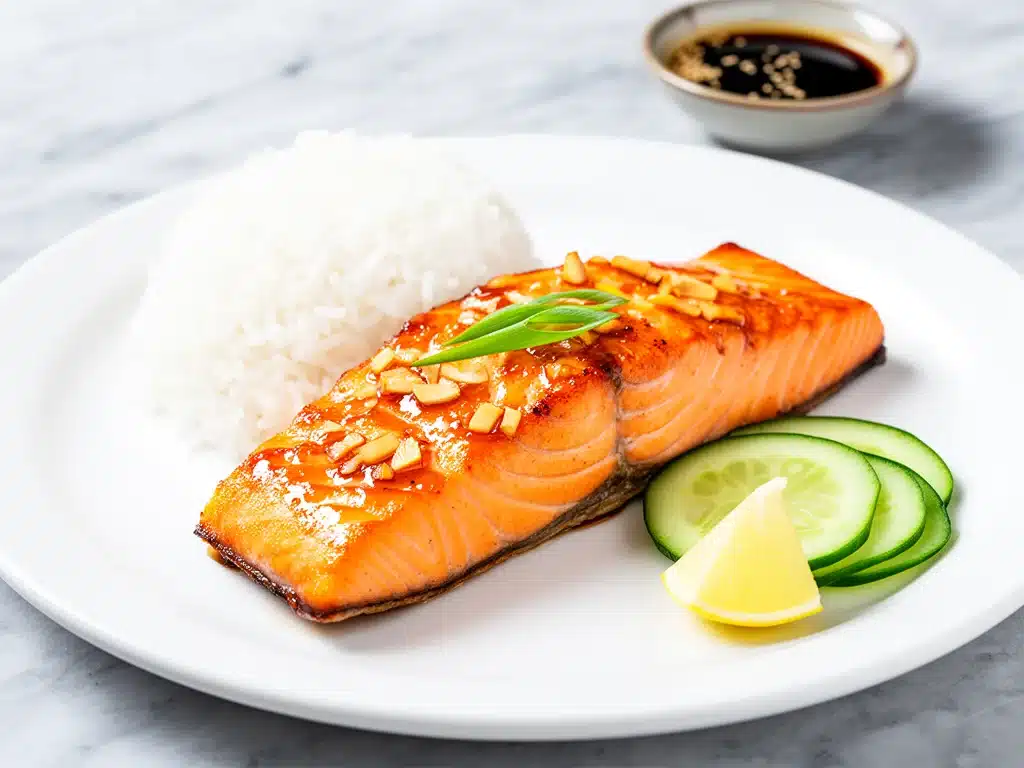
Last Tuesday, I walked through the door at 6:15 PM with mud on my shoes, a headache from a stressful Zoom call, and absolutely zero mental energy for cooking. The fridge was looking at me like it knew I was about to order expensive takeout. But then I saw it: two beautiful salmon fillets staring back from the crisper drawer, and a bottle of maple syrup that was gathering dust in the back of the pantry.
I didn’t have the energy to chop a dozen vegetables or manage three different pans. I needed dinner to just work. I needed something that smelled amazing, tasted like a restaurant meal, but came together faster than I could wait for a delivery driver to find my house.
That’s when I threw together this maple soy glazed salmon. I honestly didn’t expect much. I figured it would be another sweet-salty compromise. But ten minutes later, that kitchen smelled like a high-end Japanese restaurant, and the first bite? It was sweet, savory, sticky, and flaky all at once. My kids, who usually pick at dinner, asked for seconds. My husband, who claims he’s “too tired” to cook, actually got up to scrape the pan clean.
This isn’t just another fish recipe. It’s the specific kind of meal that saves your evening when you’re running on empty. It’s sweet, it’s savory, and it’s ready before the pizza guy even answers the phone. I’ve made this maple soy glazed salmon at least a dozen times in the last month, and it has officially replaced takeout on our Tuesday and Thursday roster.
Why You’ll Love This Maple Soy Glazed Salmon
There are about ten reasons I keep making this, but let’s be real—here are the big ones that have convinced me to delete half the recipes in my cookbook.
Lightning Fast — Seriously, if you can chop a green onion and stir a spoon, you can make this. It takes 15 minutes from start to finish. That’s it. I make this on weeknights when I get home at 7pm and realize I haven’t planned anything.
Sweet and Savory Perfection — Most people are scared of putting maple syrup on fish. Don’t be. The soy sauce cuts the sweetness, the ginger adds warmth, and the garlic provides depth. It’s not just “sweet fish.” It’s a complex, restaurant-quality glaze that caramelizes beautifully.
Pantry-Friendly — You probably have 90% of these ingredients already. Soy sauce, maple syrup, garlic, ginger, and oil. I keep these stocked specifically so I can make this on a whim when I don’t have fresh veggies but still want to eat something healthy.
Healthier Than Takeout — This meal is packed with omega-3s and protein. It’s light, it’s not heavy like a cream sauce, and it won’t leave you feeling sluggish in the afternoon. I serve it with a simple side, and I feel good about what I’m feeding my family.
Makes Amazing Leftovers — The flavors actually get better after sitting in the fridge for a day. I deliberately make extra for lunch on Wednesday. It’s cold or reheated, it’s still delicious. I pack this in my lunchbox more than any other meal because it doesn’t get weird or rubbery.
This is my go-to when I need dinner to just work. No complicated techniques, no weird ingredients, just reliable, delicious food that makes everyone happy. It’s the kind of meal that reminds you that cooking can be easy and fun again.
Ingredients You’ll Need
Here’s the best part: you probably have most of this already. This looks like a simple list, but each ingredient plays a specific role in creating that sticky, savory-sweet glaze. I’m particular about the maple syrup here—fake maple syrup (high fructose corn syrup) won’t caramelize the same way, so grab the real stuff.
Salmon Fillets (1.5 lbs / 680g) — I use center-cut fillets because they’re the most uniform in thickness. Wild-caught Alaskan salmon is my favorite for flavor, but farmed is fine if it’s sustainably sourced. Look for fillets that are about 6 ounces each. If they’re huge, you might need to cook them a minute longer.
Maple Syrup (3 tablespoons / 45ml) — Use pure maple syrup, not pancake syrup. The real stuff has a depth of flavor that sugar just can’t match. It’s what gives the glaze that rich, amber color and sticky texture.
Soy Sauce (3 tablespoons / 45ml) — I use low-sodium soy sauce because I can control the saltiness. Regular soy sauce is fine if you’re watching your sodium intake elsewhere. The soy sauce provides the salty, umami backbone that balances the sweet maple.
Fresh Ginger (1 teaspoon, grated / about 5g) — Fresh is non-negotiable here. Ground ginger tastes dusty and wrong in a fresh glaze. If you have a microplane, grate it finely. It melts right into the sauce. If you’re feeling lazy, you can use half a teaspoon of ground ginger, but the fresh stuff is better.
Garlic (2 cloves, minced / about 1 tablespoon) — Yes, two cloves. Don’t skimp. Fresh only—no jarred garlic in this recipe. Jarred garlic has a metallic aftertaste that clashes with the delicate fish. Mincing two cloves takes 30 seconds.
Red Pepper Flakes (¼ teaspoon) — Optional but highly recommended. It adds a tiny kick that wakes up the palate. If you’re sensitive to spice, use half a teaspoon or omit it. It doesn’t make it hot, just interesting.
Sesame Oil (1 teaspoon) — This is the secret weapon. It adds that nutty, restaurant-style aroma. Just a little goes a long way. Don’t skip this if you have it.
Green Onions (2 stalks, sliced) — For garnish. They add a fresh, crunchy contrast to the soft, rich fish. I slice them thinly so they distribute evenly.
Sesame Seeds (1 tablespoon, toasted) — For garnish. Toasted sesame seeds add a nice crunch and visual appeal. If you don’t have toasted seeds, just toast them in a dry pan for 2 minutes. It’s worth the effort.
Vegetable Oil or Avocado Oil (1 tablespoon) — For cooking the salmon. I use avocado oil because it has a high smoke point, but vegetable oil works fine too. Olive oil can burn at high heat, so I avoid it for this sear.
Equipment Needed
You don’t need fancy equipment for this. Here’s what I actually use.
Non-Stick Skillet or Cast Iron Pan — I use a 10-inch non-stick skillet because the glaze is sticky and I don’t want to scrub it later. Cast iron works great if you’re seasoned well, but non-stick is easier for beginners. The pan needs to be large enough to fit the salmon fillets in a single layer without crowding.
Small Mixing Bowl — For whisking the glaze. A ramekin works too. I like to mix the sauce before it hits the pan so everything is ready to go.
Whisk or Fork — To combine the soy sauce, maple syrup, ginger, and garlic. A whisk is easier, but a fork works fine.
Spatula — A thin, flexible spatula is best for flipping the salmon without breaking the fillet. A regular spoon works if you’re careful.
Sharp Knife and Cutting Board — For mincing garlic and slicing green onions. Dull knives make you cry more—learned this the hard way.
Measuring Spoons — Pretty standard stuff. Dollar store versions work fine for this.
Paper Towels — To pat the salmon dry. This is crucial for a good sear.
How to Make It: Step-by-Step
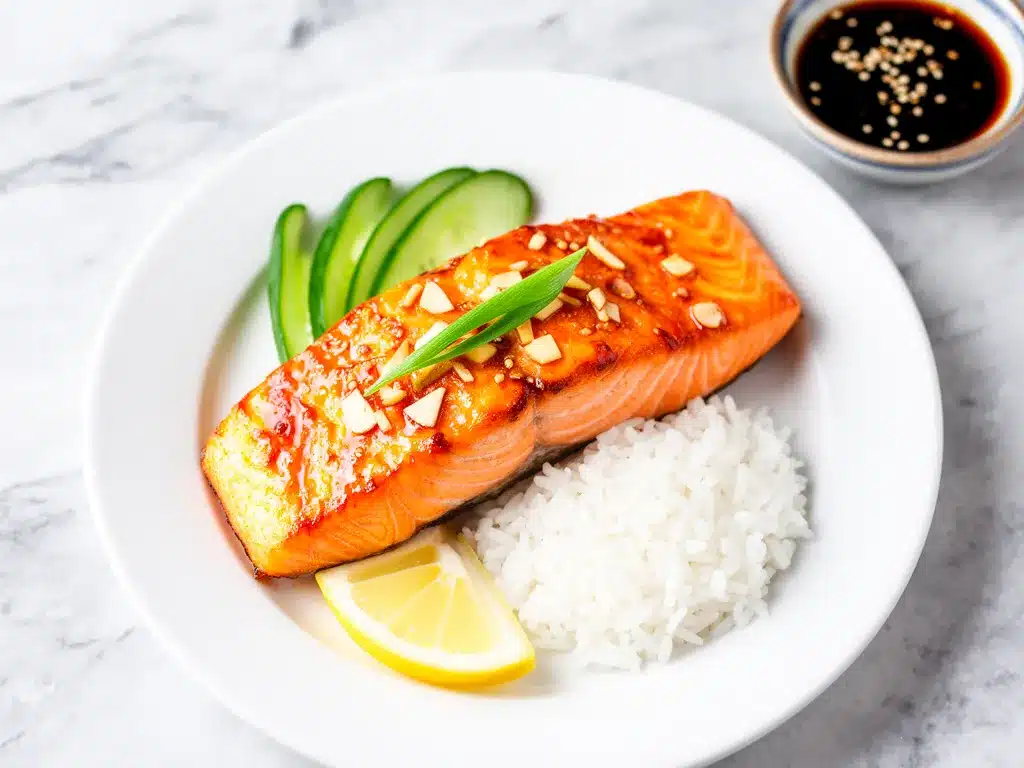
Alright, let’s make this! I’m walking you through exactly how I do it, including the little tricks I’ve picked up over the years. This method ensures your salmon is crispy on the outside and tender on the inside, with a glaze that actually sticks.
Step 1: Prep the Salmon (2 minutes)
Pat the salmon fillets dry with paper towels. This is the most important step for getting a good sear. If the fish is wet, it steams instead of sears. Season both sides lightly with salt and black pepper. The soy sauce in the glaze is salty, so don’t overdo it here.
Step 2: Make the Glaze (1 minute)
In a small bowl, whisk together the maple syrup, soy sauce, minced garlic, grated ginger, red pepper flakes, and sesame oil. It should look like a thin, dark amber liquid. Taste it—it should be sweet, salty, and slightly spicy. If you want it sweeter, add a teaspoon more maple syrup. If you want it saltier, add a splash more soy sauce.
Step 3: Sear the Salmon (4-5 minutes)
Heat the vegetable oil in your skillet over medium-high heat. Wait until the oil shimmers but isn’t smoking. Place the salmon fillets in the pan, skin-side down if they have skin. Don’t touch them! Let them sear for 3-4 minutes. You’ll see the color change from translucent pink to opaque orange about halfway up the side of the fish. This is when you know it’s ready to flip.
Step 4: Flip and Glaze (3-4 minutes)
Flip the salmon carefully. Immediately pour the glaze mixture over the top of the fish. Let it bubble and simmer for 2-3 minutes. The glaze will reduce and thicken, coating the fish in a sticky, shiny layer. Use your spatula to baste the top of the fish with the glaze as it cooks. This ensures every bite is flavorful.
Step 5: Rest and Serve (2 minutes)
Once the salmon is cooked through (it should flake easily with a fork), remove it from the pan to a plate. Let it rest for 1-2 minutes while you pour the remaining glaze from the pan over the top. Garnish with sliced green onions and toasted sesame seeds. Serve immediately.
Total Time: About 15 minutes (5 minutes prep, 10 minutes cooking)
Expert Tips & Tricks
Here’s everything I’ve learned from making this dozens of times. These tips will save you from my mistakes.
Don’t Overcook the Salmon — Salmon continues to cook after you take it off the heat. Pull it when it’s just barely opaque in the center. It should be moist and tender, not dry and chalky. Overcooked salmon is the worst. If you’re unsure, use a thermometer—145°F (63°C) is the target, but I pull it at 140°F (60°C).
Pat It Dry — I know I mentioned this, but it’s that important. Wet salmon = steamed salmon. Dry salmon = crispy salmon. Take the extra 30 seconds to pat it dry.
Use Fresh Ginger — Ground ginger is a last resort. Fresh ginger has a bright, zesty flavor that transforms the dish. If you don’t have a microplane, you can mince it very finely with a knife, but grate it if you can.
Toast Your Sesame Seeds — Raw sesame seeds are fine, but toasted ones add a nutty aroma that elevates the dish. Just put them in a dry pan over medium heat for 2-3 minutes, shaking constantly, until they’re golden brown. Watch them closely—they burn fast.
Save the Glaze — Don’t throw away that sticky goodness in the pan. Pour it over the finished salmon. It’s liquid gold.
Variations & Substitutions
Once you’ve nailed the basic version, here’s how you can mix it up. I’ve tried all of these.
Spicy Version — Add 1 teaspoon of sriracha or chili garlic sauce to the glaze. It adds a nice heat that pairs well with the sweetness. My friend who loves spice always asks for this version.
Honey Substitute — If you don’t have maple syrup, honey works too. It’s slightly sweeter and has a different floral note, but it still caramelizes well. Use the same amount.
Coconut Aminos — For a soy-free or lower-sodium option, use coconut aminos instead of soy sauce. It’s milder and sweeter, so you might need a pinch more salt.
Vegetable Side — While the salmon cooks, toss some broccoli or asparagus in the same pan after removing the fish. The residual heat and glaze bits will flavor the veggies perfectly. I often serve this with a simple green salad to balance the richness.
Rice Bowl — Serve this over steamed jasmine rice with a soft-boiled egg. It’s a complete meal in one bowl. I love this for lunch leftovers.
Serving & Storage
How to Serve: I usually serve this straight from the skillet at the dinner table—it looks rustic and stays warm. But here are other ways I’ve enjoyed it:
Side Dishes: Steamed jasmine rice is the classic choice. Stir-fried vegetables work too. A simple cucumber salad with rice vinegar is refreshing against the rich salmon. I also like to pair it with a light Caesar salad if I want something crisp.
Toppings Bar: When I have guests, I put out: extra green onions, sesame seeds, chili flakes, and lime wedges. Everyone customizes their bowl.
Refrigerator: Store in an airtight container for up to 3 days. The salmon will absorb more of the glaze, so it might taste saltier on day three.
Reheating: Best method: Reheat gently in a skillet over low heat with a splash of water. Microwave method: Heat in 30-second intervals, stirring between. It can get rubbery if you overheat it.
Freezing: Honestly, this doesn’t freeze well because the texture of salmon changes when thawed. It becomes mushy. Make it fresh or store in the fridge for up to 3 days.
Nutrition Information
I’m not a nutritionist, but here’s the breakdown if you’re tracking.
Per Serving (based on 4 servings):
- Calories: 320
- Protein: 34g
- Carbs: 12g
- Fiber: 0g
- Sugar: 10g
- Fat: 16g
- Saturated Fat: 3g
- Cholesterol: 95mg
- Sodium: 680mg
What’s Good: High in protein and omega-3s. Low in carbs. Great for keto or low-carb diets.
What to Know: Higher in sodium due to soy sauce. Use low-sodium soy sauce to reduce. The sugar comes from maple syrup, but it’s natural.
My Take: Look, this is a healthy, protein-rich meal. It’s not a diet recipe, but it’s way better than takeout. I know exactly what’s in it. When I want to make it lighter, I use less maple syrup and more ginger. But usually? I just eat a reasonable portion and enjoy it.
Final Thoughts
So that’s my go-to maple soy glazed salmon! I’ve probably talked your ear off at this point, but when you make a recipe this often, you have a lot to say about it.
This has saved weeknight dinners more times than I can count. It’s my answer to ‘what’s for dinner’ when I’m tired, don’t want takeout, and still want something that tastes really good. My kids are happy, my husband’s happy, and I’m happy because I’m not stressed about cooking.
Make it yours! Try different add-ins, swap in your favorite vegetables, adjust the spice level. The best recipes are the ones you adapt to your family’s tastes.
If you make this, drop a comment and let me know what you think! I love hearing how recipes turn out in your kitchen. And if something doesn’t work, tell me that too—I’m here to help troubleshoot.
Happy cooking! And I hope your kitchen smells half as good as mine does right now.
Frequently Asked Questions
Can I use frozen salmon?
Yes, but you must thaw it completely first. Pat it very dry before cooking. Frozen salmon releases more water, so it’s harder to get a good sear. If you’re in a hurry, I’d recommend fresh. But if you’re using frozen, thaw it in the fridge overnight and pat it dry.
Why did my glaze burn?
The maple syrup burns easily because of the sugar content. If your heat was too high, the glaze caramelized too fast and turned bitter. Keep the heat at medium, not medium-high, when adding the glaze. Stir frequently to prevent sticking.
Can I make this in the oven?
Absolutely! Preheat your oven to 400°F (200°C). Place the salmon on a lined baking sheet. Brush with the glaze and bake for 12-15 minutes. It’s easier for cleanup, but you won’t get that crispy sear. I prefer the skillet method for texture.
What kind of rice goes best with this?
Jasmine rice is the classic choice because it’s fragrant and slightly sticky. Short-grain sushi rice also works well. Brown rice is healthier but takes longer to cook. I usually make rice ahead of time so it’s ready when the salmon is done.
Can I substitute soy sauce with tamari?
Yes, tamari is a great gluten-free alternative. It has a similar flavor profile, though it’s slightly smoother and less salty. Use the same amount. Just check the label to ensure it’s certified gluten-free if that’s important to you.
How do I know when the salmon is done?
The easiest way is to press it gently with a fork. If it flakes easily and is opaque throughout, it’s done. If it’s still translucent in the center, give it another minute. The internal temperature should be 145°F (63°C), but I pull it at 140°F (60°C) to keep it moist.
Can I meal prep this?
Yes, this is great for meal prep. Cook the salmon, store it in the fridge for up to 3 days, and reheat gently. I often pack this for lunch because it tastes good cold or room temperature. Just keep the glaze separate if you’re packing it for later in the week.
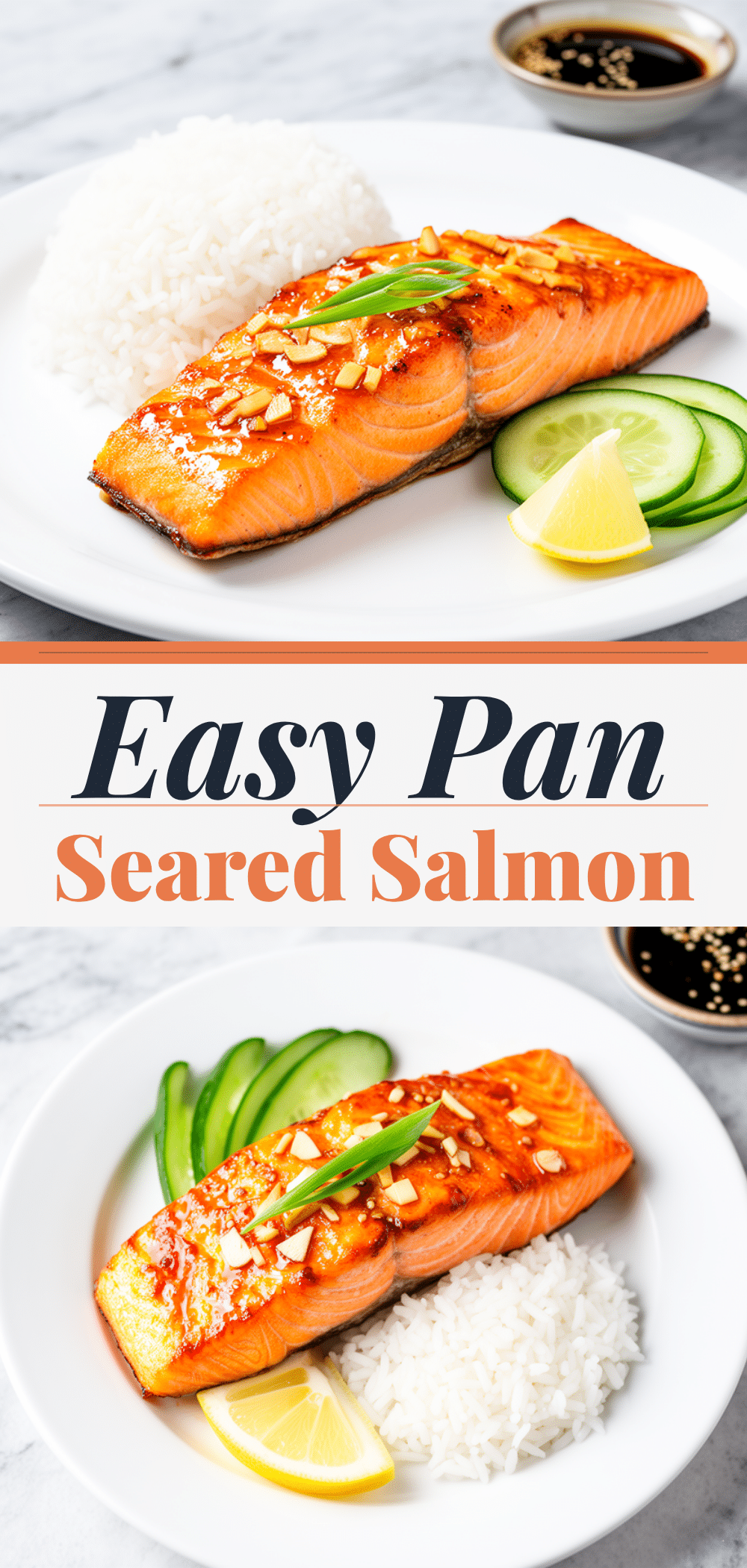
Pin This Recipe!
Maple Soy Glazed Salmon: 15-Min Easy Weeknight Dinner
- Total Time: 15 minutes
- Yield: 4 servings 1x
Description
A quick and easy weeknight dinner featuring salmon fillets coated in a sweet, savory, and sticky maple soy glaze. Ready in just 15 minutes, this recipe is perfect for busy evenings when you want restaurant-quality flavor without the hassle.
Ingredients
- 1.5 lbs salmon fillets (center-cut, about 6 oz each)
- 3 tablespoons pure maple syrup
- 3 tablespoons low-sodium soy sauce
- 1 teaspoon fresh ginger, grated
- 2 cloves garlic, minced
- 1/4 teaspoon red pepper flakes (optional)
- 1 teaspoon sesame oil
- 1 tablespoon vegetable oil or avocado oil
- 2 stalks green onions, sliced (for garnish)
- 1 tablespoon toasted sesame seeds (for garnish)
- Salt and black pepper to taste
Instructions
- Pat the salmon fillets dry with paper towels and season both sides lightly with salt and black pepper.
- In a small bowl, whisk together the maple syrup, soy sauce, minced garlic, grated ginger, red pepper flakes, and sesame oil until combined.
- Heat the vegetable oil in a 10-inch non-stick skillet or cast iron pan over medium-high heat until the oil shimmers.
- Place the salmon fillets in the pan, skin-side down if they have skin. Sear undisturbed for 3-4 minutes until the color changes from translucent pink to opaque orange halfway up the side.
- Flip the salmon carefully. Immediately pour the glaze mixture over the top of the fish.
- Let the glaze bubble and simmer for 2-3 minutes, using a spatula to baste the top of the fish frequently until the sauce thickens and coats the salmon.
- Remove the salmon from the pan to a plate and let it rest for 1-2 minutes.
- Pour the remaining glaze from the pan over the salmon.
- Garnish with sliced green onions and toasted sesame seeds. Serve immediately.
Notes
Patting the salmon dry is crucial for a good sear; wet fish will steam instead. Use pure maple syrup, not pancake syrup, for proper caramelization. Salmon continues to cook after removal from heat, so pull it at 140°F (60°C) for moist results. The glaze contains sugar and can burn easily, so keep heat at medium when adding the sauce. This recipe does not freeze well due to texture changes in the salmon.
- Prep Time: 5 minutes
- Cook Time: 10 minutes
- Category: Main Course
- Cuisine: Asian Fusion
Nutrition
- Serving Size: 1 fillet with glaze
- Calories: 320
- Sugar: 10
- Sodium: 680
- Fat: 16
- Saturated Fat: 3
- Carbohydrates: 12
- Protein: 34
Keywords: salmon, maple soy glaze, quick dinner, weeknight meals, healthy fish, easy recipe, 15 minute meals, keto friendly, low carb


