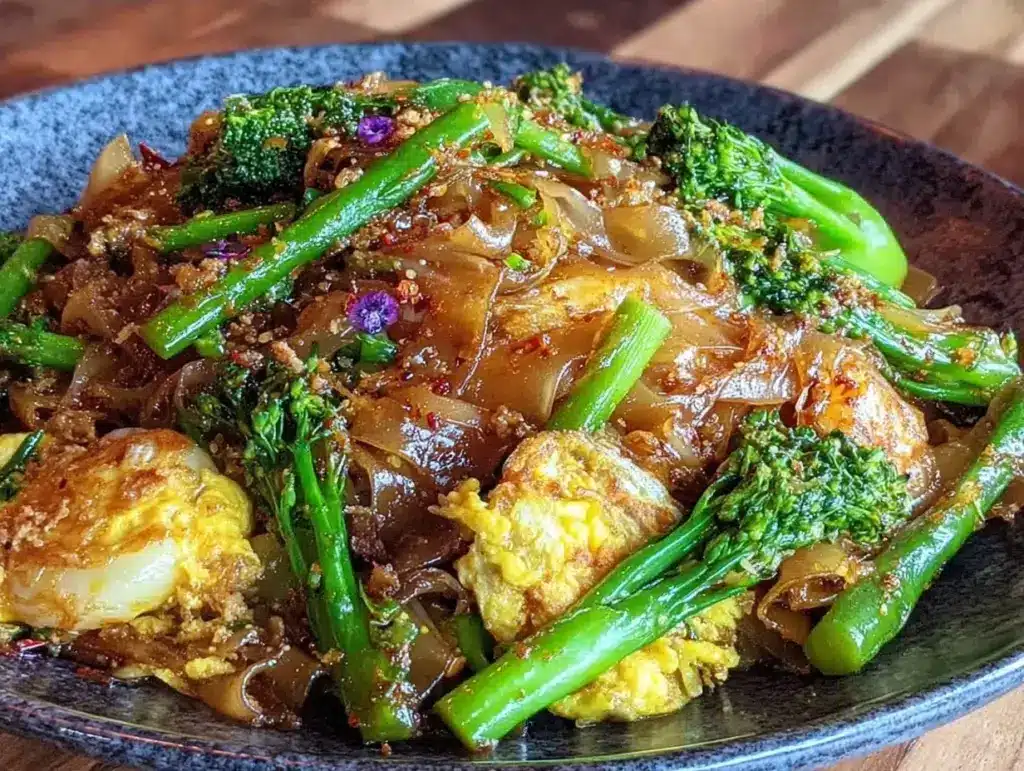
I have a confession to make. For years, I was terrified of making stir-fry at home. I’d order takeout every time, paying way too much for noodles that were either soggy or burnt. It felt like a gamble every single time. Then, three months ago, I was staring at a nearly empty fridge on a rainy Tuesday. No takeout money, no energy to drive to the store, and three kids who were getting hangry. I had flat rice noodles, some Chinese broccoli (gai lan), and a few eggs in the carton.
I threw everything into a pan with soy sauce, oyster sauce, and a splash of sesame oil. I wasn’t expecting much. Maybe a mediocre dinner. But what came out of that wok? Absolute magic. Charred, sweet, savory, and perfectly chewy. It tasted exactly like the $18 bowl from my favorite Thai spot, but it cost me about $4 to make. That was the moment I realized I didn’t need to be a professional chef to make restaurant-quality pad see ew. I just needed the right ratio of sauce and a hot pan.
This traditional Thai pad see ew with Chinese broccoli is now a staple in our house. It’s the kind of meal that saves weeknights when I’m exhausted. It’s sweet, salty, and deeply comforting. And the best part? You probably have most of these ingredients already. Seriously. Let me show you how to make this budget-friendly dinner that your whole family will ask for again and again.
Why You’ll Love This Recipe
There are about a dozen reasons I keep making this noodle dish, but here are the big ones that make it a permanent fixture in our meal rotation.
Stupid Simple — If you can boil water and stir, you can make this. There’s no complex knife work, no marinating overnight, and no fancy techniques. I’ve taught my ten-year-old to make this version when I’m too tired to handle the stove. It’s foolproof.
Lightning Fast — This is a true 20-minute meal. Ten minutes of prep (which is mostly just chopping and mixing the sauce) and ten minutes of cooking. I make this on weeknights when I get home from work and need dinner on the table before the kids melt down. It’s faster than waiting for delivery.
Pantry-Friendly — You probably have 80% of these ingredients already. Flat rice noodles, soy sauce, oyster sauce, and eggs are staples in my house. I keep a bag of Chinese broccoli in the crisper drawer specifically for this dish because it wilts perfectly and adds that authentic flavor.
Kid-Approved — Picky eaters usually love noodles. The sweet and savory sauce masks any bitterness from the greens, and the soft noodles are easy to chew. Even my toddler, who usually refuses anything green, eats the broccoli in this dish because it gets coated in that delicious sauce.
Makes Amazing Leftovers — Pad see ew actually tastes better the next day. The noodles absorb more of the sauce and get even chewier. I deliberately make extra for lunch. It reheats beautifully in the microwave, which is a lifesaver for busy mornings.
This is my go-to when I need dinner to just work. No complicated techniques, no weird ingredients, just reliable, delicious food that makes everyone happy. And if you’re looking for other quick weeknight wins, this pairs perfectly with a side of creamy marry me chicken if you want to add extra protein to the meal.
Ingredients You’ll Need
Here’s the best part: you probably have most of this already. I’m particular about three ingredients here, and I’ll tell you exactly why they matter.
Flat Rice Noodles (Sen Sai) (8 ounces / 225g) — This is the heart of the dish. Look for fresh, wide flat rice noodles in the refrigerated section of the Asian aisle. If you can’t find fresh, dried wide rice noodles work, but you’ll need to soak them in warm water for 30 minutes first. Fresh noodles cook in minutes and have a chewier, silkier texture. I always buy the fresh kind because it saves time.
Chinese Broccoli (Gai Lan) (2 cups, chopped / about 200g) — This is traditional, but you can substitute with regular broccoli florets or even bok choy if you can’t find it. Gai lan has thicker stems and slightly bitter leaves that hold up well to high heat. Chop the stems into bite-sized pieces and keep the leaves for last. It adds that authentic earthy flavor that makes this dish special.
Large Eggs (2 large) — Scrambled eggs are classic in pad see ew. I crack them directly into the pan and scramble them quickly before adding the noodles. It adds protein and makes the meal more filling. Use whatever eggs you have; they don’t need to be free-range for this.
Garlic (4 cloves, minced / about 1 tablespoon) — Yes, four cloves. Don’t skimp. Fresh garlic is non-negotiable here. Jarred garlic just doesn’t have the punch needed for this dish. Mince it fine so it distributes evenly.
Soy Sauce (2 tablespoons / 30ml) — I use regular soy sauce, not low-sodium, because I want that deep salty flavor. If you use low-sodium, you might need to add a pinch of salt later. Light soy sauce is fine, but dark soy sauce (optional) adds that beautiful caramel color.
Oyster Sauce (2 tablespoons / 30ml) — This is the secret ingredient. It adds sweetness and umami depth that soy sauce alone can’t achieve. It’s a budget-friendly staple that makes a huge difference. If you’re vegetarian, swap this for vegetarian oyster sauce or mushroom sauce.
Sesame Oil (1 teaspoon) — A little goes a long way. Add this at the very end for that nutty aroma. Don’t skip it; it’s the finishing touch that makes it smell like a Thai restaurant.
Sugar (1 tablespoon / 15g) — Brown sugar or white sugar both work. The sugar balances the saltiness of the sauces. I use brown sugar because it adds a slight molasses note that I love.
Water or Broth (2 tablespoons / 30ml) — Just a splash to help cook the noodles and create a bit of steam. Chicken broth adds extra flavor, but water works fine.
Vegetable Oil (2 tablespoons / 30ml) — For frying. I use a neutral oil like canola or vegetable oil. Olive oil isn’t hot enough for stir-frying and will burn.
I keep a bottle of oyster sauce and sesame oil in my pantry specifically for these quick meals. They last for months and turn basic ingredients into something special. If you’re meal-prepping, I also recommend checking out honey chipotle grilled chicken skewers for a protein option that preps well ahead of time.
Equipment Needed
You don’t need fancy equipment for this. Here’s what I actually use.
Large Wok or Skillet — I use a 12-inch stainless steel skillet because I don’t own a wok. A wok is ideal because of its shape, but a large skillet works perfectly. You need enough surface area so the noodles don’t steam instead of fry. Crowding the pan is the enemy of good stir-fry.
Wooden Spoon or Spatula — For stirring and tossing. Silicone spatulas work too. Don’t use metal if you have a non-stick pan.
Sharp Knife — For chopping the broccoli and garlic. A dull knife makes chopping tedious. I keep my chef’s knife sharp at all times.
Small Bowl — For mixing the sauce. It’s easier to mix the soy sauce, oyster sauce, sugar, and sesame oil in a bowl before adding it to the pan. This ensures even distribution.
Colander — If you’re using dried noodles, you’ll need this for soaking. If using fresh, you might just rinse them briefly.
Measuring Spoons — Standard stuff. Dollar store versions work fine.
I’m not obsessed with gadgets. My wooden spoon has been with me for years, and it’s the most important tool in this recipe. Don’t have a wok? Any big pot works—doesn’t need to be fancy. The key is getting the pan hot enough.
How to Make It: Step-by-Step
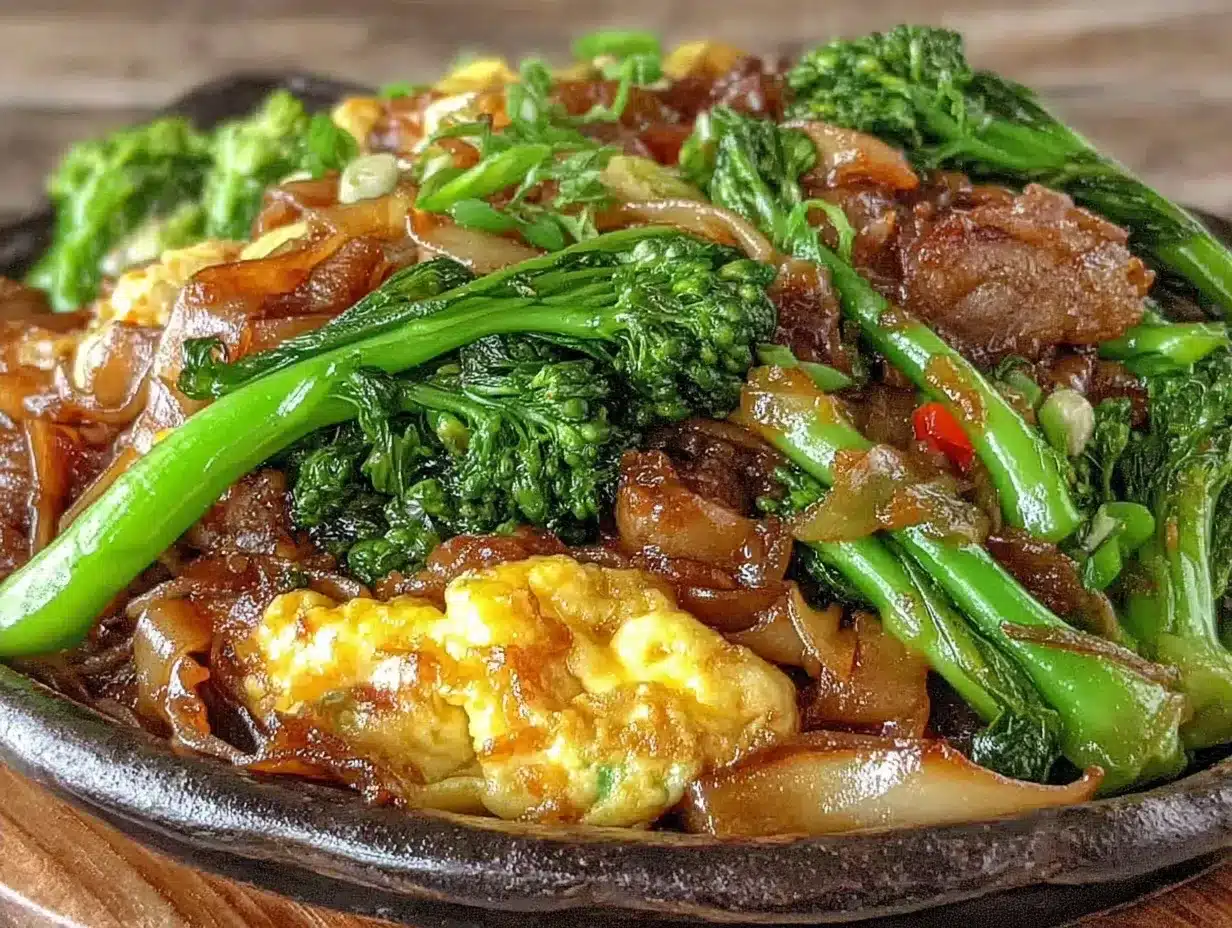
Alright, let’s make this! I’m walking you through exactly how I do it, including the little tricks I’ve picked up.
Step 1: Prep Your Ingredients (5 minutes)
Before you start cooking, chop your Chinese broccoli. Cut the stems into bite-sized pieces and chop the leaves roughly. Mince the garlic. In a small bowl, whisk together the soy sauce, oyster sauce, sugar, and sesame oil. Set aside. I know it seems fussy, but it makes the actual cooking way less stressful. Once you start cooking, things move fast.
Step 2: Cook the Noodles (2-3 minutes)
If using fresh noodles, rinse them under cold water to remove excess starch and separate them. If using dried, soak in warm water until soft, then drain. Bring a large pot of water to a boil, add noodles, and cook for 2-3 minutes until tender. Drain immediately. Don’t overcook them—they’ll continue cooking in the pan. Toss with a tiny bit of oil to prevent sticking.
Step 3: Scramble the Eggs (2 minutes)
Heat 1 tablespoon of oil in your wok or skillet over medium-high heat. Crack the eggs in and scramble them quickly with a spatula. Cook until just set but still soft. Remove eggs from the pan and set aside on a plate. You don’t want overcooked, rubbery eggs.
Step 4: Sauté Aromatics and Greens (3 minutes)
Add the remaining 1 tablespoon of oil to the hot pan. Add the minced garlic and stir-fry for 30 seconds until fragrant. Add the broccoli stems first—they take longer to cook. Stir-fry for 1 minute, then add the leaves. Cook for 1-2 minutes until the greens are wilted but still bright green. You want them tender-crisp, not mushy.
Step 5: Combine and Sauce (2 minutes)
Add the cooked noodles and scrambled eggs back to the pan. Pour the sauce mixture over everything. Toss constantly with your spatula, lifting and turning the noodles to coat them evenly. The sauce will bubble and thicken quickly. If it looks too dry, add a splash of water or broth. Cook for 1-2 minutes until the noodles are well-coated and slightly charred.
Step 6: Serve
Transfer to a serving bowl or plate. Garnish with sliced green onions or chili flakes if you like heat. Serve immediately while hot.
Total Time: About 20 minutes (5 minutes prep, 15 minutes cooking)
Troubleshooting:
- Noodles sticking? Make sure your pan is hot enough before adding oil. Also, toss frequently.
- Sauce too salty? Add a splash of water or a pinch more sugar to balance it.
- Greens too bitter? Make sure you’re cooking them until wilted. The heat reduces bitterness.
Expert Tips & Tricks
Here’s everything I’ve learned from making this dozens of times. These tips will save you from my mistakes.
High Heat is Key
Stir-frying requires high heat. If your pan isn’t hot enough, the noodles will steam and get soggy. I wait until the oil shimmers slightly before adding ingredients. This creates that signature charred flavor, known as “wok hei,” even in a home kitchen.
Don’t Overcrowd the Pan
If you’re doubling the recipe, cook in batches. Crowding the pan lowers the temperature and leads to steamed, mushy noodles. I’d rather cook two small batches than one big, sad one.
Fresh Noodles vs. Dried
Fresh rice noodles are superior for texture. They’re softer and chewier. If you must use dried, soak them in warm water (not boiling) until pliable. Do not boil dried noodles unless the package specifically says to do so—they can get too soft.
Sauce Balance
The sauce should be slightly sweeter than you think. The soy sauce and oyster sauce are salty, so the sugar balances it. Taste your sauce mixture before adding it to the pan. If it’s too salty, add more sugar. If it’s too sweet, add more soy sauce.
Vegetable Prep
Chop your vegetables uniformly so they cook evenly. Thicker stems take longer, so cut them smaller. Leaves cook instantly, so add them last. This ensures everything is ready at the same time.
Pro Trick: The Char
Let the noodles sit in the hot pan for 30 seconds before tossing. This creates slight charring on the noodles, which adds a smoky flavor. It’s the difference between good and great pad see ew.
Variations & Substitutions
Once you’ve nailed the basic version, here’s how you can mix it up. I’ve tried all of these.
Chicken Pad See Ew
Add 1 cup diced chicken breast. Marinate it in a little soy sauce and cornstarch for 10 minutes before cooking. Cook the chicken first, remove, then proceed with the recipe. This is my husband’s favorite version—it makes the meal more filling.
Shrimp Pad See Ew
Use 1 cup peeled shrimp. Cook them quickly in the pan before removing. Add them back at the end with the noodles. Shrimp cooks in 2 minutes, so don’t overcook it.
Tofu Pad See Ew (Vegetarian)
Use firm tofu, pressed and cubed. Pan-fry the tofu until golden before removing. Use vegetarian oyster sauce or mushroom sauce. It’s just as satisfying and protein-packed.
No Chinese Broccoli?
Use regular broccoli florets, bok choy, or even spinach. Broccoli works well if you cut the florets small. Bok choy adds a milder flavor. Spinach wilts instantly, so add it at the very end.
Spicy Version
Add 1 teaspoon chili garlic sauce or red pepper flakes to the sauce mixture. I add this when my kids are at school and I want a kick.
Dietary Modifications:
- Gluten-Free: Use tamari instead of soy sauce and ensure your oyster sauce is gluten-free (or use vegetarian oyster sauce). Rice noodles are naturally gluten-free.
- Dairy-Free: This recipe is naturally dairy-free. Just check your oyster sauce for additives.
- Lower Sodium: Use low-sodium soy sauce and reduce the amount by half. Add a pinch of salt if needed. It won’t be as salty but still tasty.
Serving & Storage
How to Serve:
I usually serve this straight from the skillet at the dinner table—it looks rustic and stays warm. But here are other ways I’ve enjoyed it:
Side Dishes:
- Simple cucumber salad with rice vinegar
- Steamed jasmine rice (if you want extra carbs)
- Hot and sour soup (for a full Thai meal)
Toppings Bar:
When I have guests, I put out: sliced green onions, chili flakes, lime wedges, and extra sesame oil. Everyone customizes their bowl.
Storage Instructions:
Refrigerator:
Store in an airtight container for up to 3 days. The noodles will absorb more sauce and get softer, which I actually prefer. It’s even better cold straight from the fridge for lunch.
Reheating:
Best method: Add to a skillet with a splash of water over medium heat. Stir until heated through. The water helps rehydrate the noodles. Microwave method: Heat in 30-second intervals, stirring between. Add a splash of water if it’s too dry. Never works: Trying to reheat in the oven—it dries out the noodles.
Freezing:
Honestly, this doesn’t freeze well. The noodles get mushy and the texture changes. Make it fresh or store in the fridge for up to 3 days. I usually make a double batch and eat it for lunch the next day instead of freezing.
Pro tip: If you’re meal-prepping, keep the sauce separate from the noodles until you’re ready to eat. This keeps the noodles from getting soggy in the fridge.
Nutrition Information
I’m not a nutritionist, but here’s the breakdown if you’re tracking. Per serving (based on 4 servings):
| Nutrient | Amount |
|---|---|
| Calories | 380 |
| Protein | 12g |
| Carbs | 55g |
| Fiber | 2g |
| Sugar | 6g |
| Fat | 12g |
| Sodium | 680mg |
What’s Good:
- Decent protein from eggs and noodles
- Vegetables add fiber and nutrients
- Comforting and filling
What to Know:
- Higher in carbs from rice noodles
- Contains sodium from soy and oyster sauce
- Can be made lighter by using less oil and sauce
My Take:
Look, this is comfort food. It’s not a diet recipe. But it’s way better than takeout, costs less, and I know exactly what’s in it. When I want to make it lighter, I use more broccoli and less noodles. But usually? I just eat a reasonable portion and enjoy it.
Final Thoughts
So that’s my go-to traditional Thai pad see ew! I’ve probably talked your ear off at this point, but when you make a recipe this often, you have a lot to say about it.
This has saved weeknight dinners more times than I can count. It’s my answer to “what’s for dinner” when I’m tired, don’t want takeout, and still want something that tastes really good. My kids are happy, my husband’s happy, and I’m happy because I’m not stressed about cooking.
Make it yours! Try different add-ins, swap in your favorite vegetables, adjust the garlic (though more is always better in my opinion). The best recipes are the ones you adapt to your family’s tastes. And if you need more budget-friendly family meals, don’t miss these crispy air fryer chicken wings—they’re a huge hit with the kids and super easy to make.
If you make this, drop a comment and let me know what you think! I love hearing how recipes turn out in your kitchen. And if something doesn’t work, tell me that too—I’m here to help troubleshoot.
Happy cooking! And I hope your kitchen smells half as good as mine does right now.
Frequently Asked Questions
Can I use spaghetti instead of rice noodles?
You can, but it won’t be traditional pad see ew. Spaghetti has a different texture and doesn’t hold the sauce the same way. If you’re out of rice noodles, try udon noodles or even linguine as a closer substitute. But for the real deal, stick to flat rice noodles. They’re worth the trip to the Asian market.
Why did my noodles stick together?
This usually happens if the noodles weren’t rinsed after cooking, or if they sat too long before being added to the pan. Rinsing removes excess starch. Also, toss them with a little oil immediately after draining. This prevents them from clumping.
Can I make this ahead for a dinner party?
Sort of. Prep the vegetables and mix the sauce ahead of time. Cook the noodles just before serving. Stir-frying is best done fresh, so I wouldn’t cook the whole dish hours in advance. But having everything prepped means you can cook it in 10 minutes.
Why did my sauce get too thick?
Rice noodles absorb sauce quickly. If the sauce looks too thick, add a splash of water or broth while tossing. You want a glossy coating, not a dry dish. Don’t be afraid to add liquid gradually until you get the right consistency.
Can I use bottled oyster sauce?
Yes, bottled oyster sauce is fine. I don’t buy the jarred kind from the refrigerated section unless I’m using it soon. The bottled version has a longer shelf life and works perfectly for this recipe. Just check the label to ensure it’s not too thick or sweetened.
How do I reheat leftovers without it getting dry?
Add a splash of water to the pan when reheating. The steam helps rehydrate the noodles. Microwave method: Heat in 30-second intervals, stirring between, and add a splash of water if needed. Never works: Reheating without liquid—it will dry out the noodles.
Can I double this recipe?
Absolutely! Double everything and use your biggest wok or skillet. The cooking times stay roughly the same, but you might need to cook in two batches if your pan is small. I do this when I’m meal-prepping or feeding a crowd. Just make sure your pan is big enough for the sauce—you might need to use two pans.
Pin This Recipe!
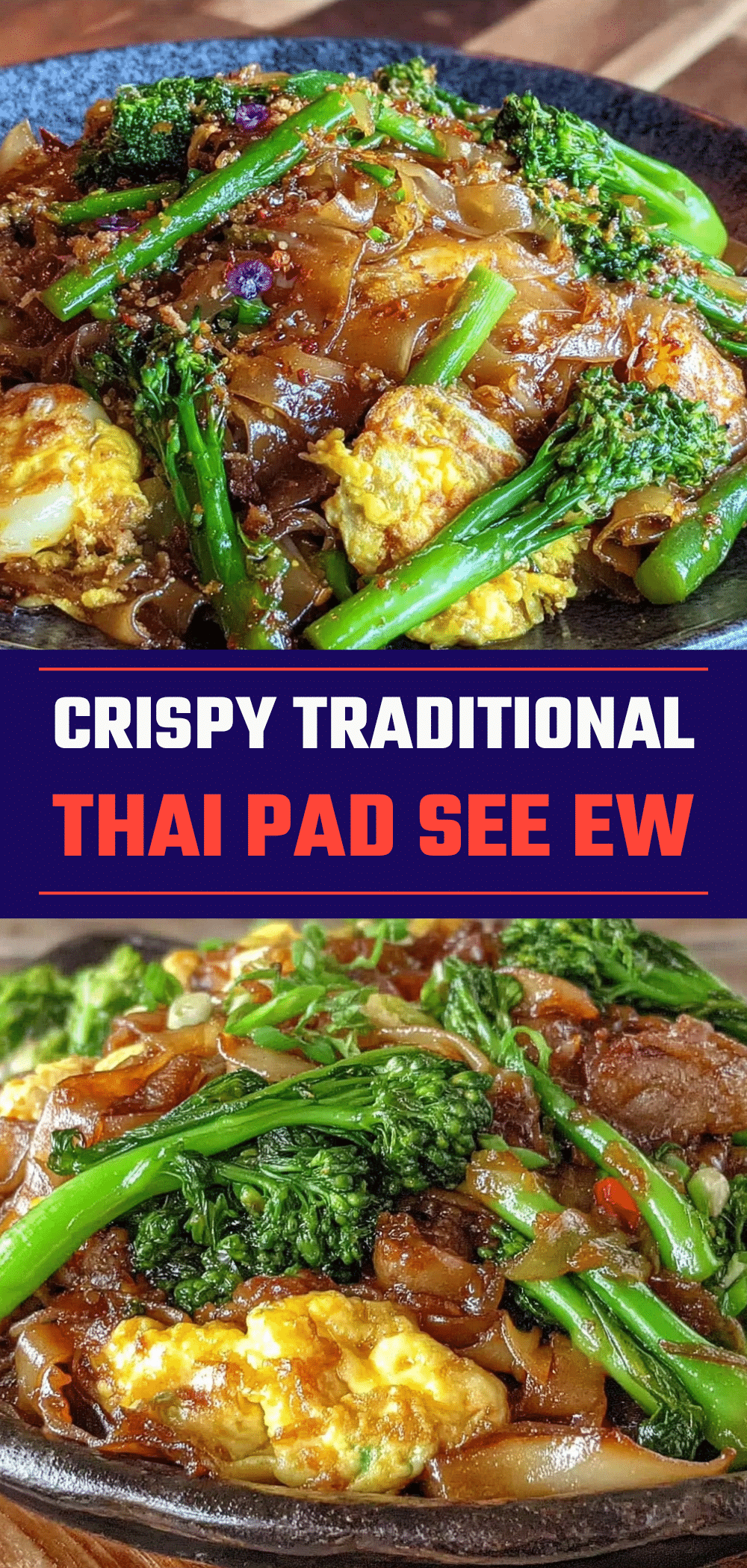
Traditional Thai Pad See Ew: 5-Ingredient Budget Meal
- Total Time: 20 minutes
- Yield: 4 servings 1x
Description
A quick, budget-friendly, and kid-approved Thai stir-fry made with flat rice noodles, Chinese broccoli, and eggs. This recipe delivers restaurant-quality flavor in just 20 minutes using simple pantry staples.
Ingredients
- 8 ounces (225g) flat rice noodles (fresh or dried)
- 2 cups chopped Chinese broccoli (gai lan) or substitute
- 2 large eggs
- 4 cloves garlic, minced
- 2 tablespoons soy sauce
- 2 tablespoons oyster sauce
- 1 teaspoon sesame oil
- 1 tablespoon sugar (brown or white)
- 2 tablespoons water or broth
- 2 tablespoons vegetable oil
Instructions
- Prep ingredients: Chop Chinese broccoli (stems and leaves separately), mince garlic, and whisk together soy sauce, oyster sauce, sugar, and sesame oil in a small bowl.
- Cook noodles: If using fresh noodles, rinse under cold water. If using dried, soak in warm water until soft. Boil fresh noodles for 2-3 minutes until tender, then drain and toss with a tiny bit of oil to prevent sticking.
- Scramble eggs: Heat 1 tablespoon of oil in a wok or skillet over medium-high heat. Scramble eggs quickly until just set but still soft, then remove from pan and set aside.
- Sauté aromatics and greens: Add remaining 1 tablespoon of oil to the hot pan. Stir-fry garlic for 30 seconds until fragrant. Add broccoli stems and cook for 1 minute, then add leaves and cook for 1-2 minutes until wilted but tender-crisp.
- Combine and sauce: Return noodles and eggs to the pan. Pour sauce mixture over everything. Toss constantly for 1-2 minutes until noodles are coated, slightly charred, and sauce is thickened. Add a splash of water if too dry.
- Serve: Transfer to a serving bowl and garnish with green onions or chili flakes if desired. Serve immediately.
Notes
[“High heat is key to achieving ‘wok hei’ (charred flavor).”, ‘Do not overcrowd the pan; cook in batches if doubling the recipe.’, ‘Fresh rice noodles are preferred for texture; dried noodles must be soaked, not boiled.’, ‘Leftovers taste better the next day as noodles absorb more sauce.’, ‘Do not freeze this dish as noodles become mushy.’, ‘For gluten-free: Use tamari and ensure oyster sauce is gluten-free.’, ‘For vegetarian: Swap oyster sauce for vegetarian/mushroom sauce.’]
- Prep Time: 5 minutes
- Cook Time: 15 minutes
- Category: Main Course
- Cuisine: Thai
Nutrition
- Serving Size: 1 serving (approx. 1
- Calories: 380
- Sugar: 6
- Sodium: 680
- Fat: 12
- Carbohydrates: 55
- Fiber: 2
- Protein: 12
Keywords: Thai food, pad see ew, stir fry, budget meal, weeknight dinner, rice noodles, Chinese broccoli, quick recipes, family meals