It was 6:15 PM on a Tuesday. I was standing in front of an open fridge, holding a jar of pickles like they held the answers to life’s mysteries. My husband had just walked in the door, exhausted from a ten-hour shift. My two kids were hovering in the hallway, asking if we could just order pizza yet again. The clock was ticking. The budget was tight. And my energy levels were hovering somewhere between “barely awake” and “nap time.”
I don’t know about you, but those are the nights where dinner feels like a negotiation rather than a meal. But that night, I remembered I had three salmon fillets in the freezer and a bag of asparagus that was starting to get a little limp in the crisper drawer. I didn’t have time to cook three separate dishes. I didn’t have time to scrub three pans. I just needed dinner. So, I threw everything onto one baking sheet, drizzled it with a sauce I had in my pantry, and put it in the oven. Twenty-five minutes later, the house smelled amazing, the kids were actually eating their vegetables, and we hadn’t spent a single extra dollar on takeout.
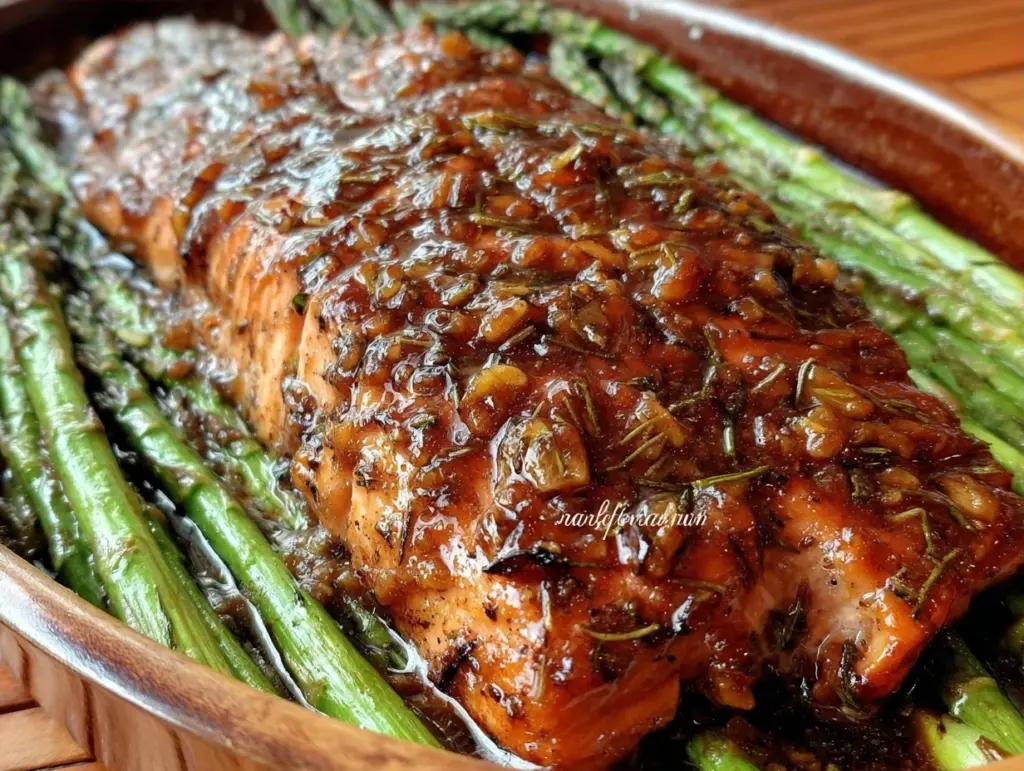
This one-pan honey garlic salmon with roasted asparagus has become my absolute savior for those chaotic weeknights. It’s sweet, savory, packed with protein, and requires almost zero cleanup. I’ve made this recipe at least twenty times in the last six months, tweaking the sauce ratios until it was perfect. It’s cheap, it’s fast, and it tastes like I spent hours in the kitchen (even though I was probably checking my phone or arguing about homework).
Why You’ll Love This One-Pan Salmon Recipe
If you’re looking for a weeknight dinner that doesn’t involve a mountain of dirty dishes or a trip to the drive-thru, this is it. I’ve tested this method with everything from wild-caught salmon to budget-friendly farm-raised fillets, and it works every single time. Here’s why this recipe has earned a permanent spot in our weekly rotation:
Stupid Simple Cleanup — Seriously, one pan. One baking sheet. That’s it. If you can throw ingredients on a tray and press “bake,” you can make this. I’ve made this while helping my son with long division. It’s that low-stress.
Lightning Fast — From start to finish, it’s about 30 minutes. But here’s the secret: only 10 minutes of that is active work. The rest is just waiting in the oven. I can chop, drizzle, and put it in the oven before my coffee even gets cold in the morning. Perfect for those “I get home late” nights.
Pantry-Friendly Sauce — You don’t need to run to the store for this. Honey, garlic, soy sauce, and a little olive oil. I keep these staples stocked specifically so I can throw together a meal like this on a whim. It’s comforting to know I can feed my family a real, hot meal without a grocery run.
Kid-Approved — I know, I know. Getting kids to eat fish and vegetables is like herding cats. But the honey glaze makes the salmon sweet and approachable, and roasting the asparagus brings out a natural nuttiness that even my picky eater (who usually only eats bread) will tackle. I’ve served this to my vegetarian sister’s friends, and they loved it too.
Budget-Smart — Salmon can be expensive, but this recipe stretches it far. A single fillet feeds two people easily when paired with the asparagus. I often buy the family pack when it’s on sale and freeze the extras. This dish costs less than $15 for a family of four, which is a miracle in today’s grocery store.
This is my go-to when I need dinner to just work. No complicated techniques, no weird ingredients, just reliable, delicious food that makes everyone happy and leaves me with one pan to wash.
Ingredients You’ll Need
Here’s the best part: you probably have most of this already. I’m particular about three ingredients here, and I’ll tell you exactly why. This isn’t a gourmet restaurant recipe; it’s a “feed your family well without breaking the bank” recipe.
SALMON FILLETS (1.5 lbs / 680g) — I use wild-caught sockeye or pink salmon when they’re on sale, but farm-raised Atlantic works too. Look for fillets that are roughly the same thickness so they cook evenly. If your pieces are huge, ask the fishmonger to cut them in half. Uniformity is key for even cooking.
FRESH ASPARAGUS (1 bunch / about 1 lb / 450g) — Fresh is best here. Look for spears that are bright green and firm, not limp or yellow. If you can’t find fresh, frozen asparagus spears work in a pinch, but you’ll need to thaw and dry them well so they don’t get soggy. I usually buy the bunch that’s about 12-15 inches long.
HONEY (3 tablespoons / 45ml) — This is the star of the glaze. It caramelizes beautifully in the oven. Don’t use corn syrup or cheap honey blends. Just regular, good-quality honey. I keep a big jar of the store brand because it’s cheap and works perfectly fine.
MINCED GARLIC (4 cloves / 2 tablespoons) — Yes, four cloves. Don’t be shy. Fresh garlic gives a sharp, aromatic punch that jarred just can’t match. If you’re feeling lazy, jarred minced garlic works, but fresh tastes so much better. I buy pre-peeled cloves sometimes to save time, but mincing fresh is fast.
SOY SAUCE (2 tablespoons / 30ml) — This adds salt and umami depth. I use low-sodium soy sauce because I can control the salt level better. If you’re watching sodium, this is a good move. Regular soy sauce works, just maybe reduce any extra salt you add.
OLIVE OIL (1 tablespoon / 15ml) — Just a little bit to help the honey and garlic stick and to keep the salmon moist. Extra virgin is nice, but regular olive oil works fine since we’re roasting at a higher heat.
RED PEPPER FLAKES (½ teaspoon) — Optional, but I always add a pinch. It adds a tiny kick that cuts through the sweetness of the honey. If you have zero spice tolerance in your house, skip it or use just a pinch.
BLACK PEPPER (½ teaspoon) — Freshly cracked is best. It adds a nice bite.
LEMON (1 lemon) — We’ll use half the lemon for juice in the sauce and half for wedges to serve. The acidity brightens up the rich salmon and balances the sweet glaze. Fresh lemon juice is non-negotiable here; bottled juice tastes flat.
Optional Garnish: Fresh parsley or green onions. I don’t always have fresh herbs on hand, but a sprinkle adds color and makes it look fancier than it is. I use dried parsley if fresh isn’t available.
Equipment Needed
You don’t need fancy equipment for this. Here’s what I actually use.
Large Baking Sheet — I use a standard half-sheet pan (18×13 inches). It needs to fit the salmon and asparagus in a single layer with a little room. If your pan is too small, the veggies will steam instead of roast, and you’ll lose that nice texture. I have two of these, so I can double the recipe easily.
Parchment Paper — This is my secret weapon. Line your baking sheet with parchment paper. It prevents sticking and means you just throw the paper away instead of scrubbing the pan. It’s worth the few cents. I buy the bulk roll.
Small Mixing Bowl — For whisking the honey, garlic, and soy sauce together. Any small bowl works. I use a ramekin sometimes if I’m being lazy.
Whisk or Fork — To mix the sauce. A fork works fine if you don’t feel like washing a whisk.
Chef’s Knife — For trimming the asparagus. A dull knife makes trimming asparagus a pain. Learn to sharpen yours.
Pastry Brush (Optional) — For brushing the glaze on the salmon. I usually just drizzle it and tilt the pan. A brush helps get it evenly distributed, but it’s not essential.
Spatula — For flipping or moving the salmon if needed. I usually don’t need to flip it, but it’s good to have.
How to Make It: Step-by-Step
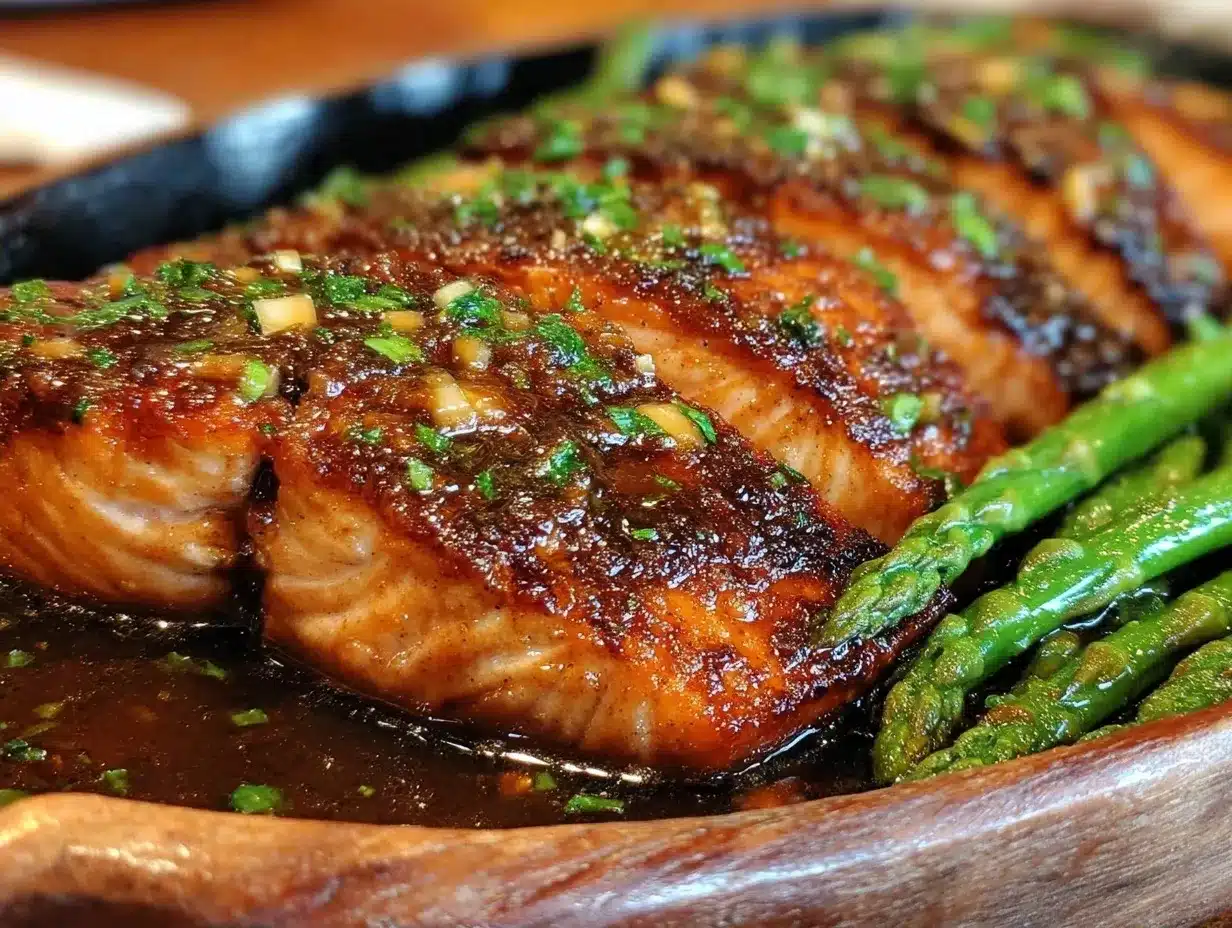
Alright, let’s make this! I’m walking you through exactly how I do it, including the little tricks I’ve picked up so you don’t end up with overcooked fish or mushy veggies.
Step 1: Prep Your Oven and Pan (5 minutes)
Preheat your oven to 400°F (200°C). This is a hot roast, which helps get that nice caramelization on the honey without overcooking the fish. While the oven heats, line your large baking sheet with parchment paper. This makes cleanup a breeze and prevents the salmon from sticking. I always line the pan before I start chopping, so I don’t forget later.
Step 2: Prep the Asparagus (5 minutes)
Wash the asparagus and pat it dry. Moisture is the enemy of roasting. Trim the woody ends off. Here’s a trick: hold one spear and bend it. It will snap naturally where the tough part ends. Use that spear as a guide to trim the rest. It’s faster than measuring. Toss the asparagus on one half of the baking sheet. Drizzle with a little olive oil, salt, and pepper. Spread them out in a single layer. Don’t crowd them!
Step 3: Make the Honey Garlic Sauce (2 minutes)
In a small bowl, whisk together the honey, minced garlic, soy sauce, olive oil, lemon juice, red pepper flakes, and black pepper. It should be a thick, glossy mixture. If it’s too thick, add a teaspoon of water. If it’s too thin, add a bit more honey. Taste it—it should be sweet, salty, and garlicky. If it needs more punch, add a pinch more garlic or pepper.
Step 4: Prep the Salmon (3 minutes)
Place the salmon fillets on the other half of the baking sheet. Make sure they aren’t touching each other. If they’re stacked, they’ll steam instead of bake. Pat them dry with a paper towel. Moisture on the surface prevents good browning. Drizzle the salmon with a little olive oil and season with a pinch of salt and pepper. This helps the glaze stick and adds a base layer of flavor.
Step 5: Assemble and Bake (15-18 minutes)
Brush or drizzle the honey garlic sauce generously over the salmon fillets. Try to get some of that garlic on there too. You don’t need to put sauce on the asparagus since you already dressed it, but if you want more flavor, you can toss a little extra sauce over the veggies too. Put the pan in the preheated oven. Bake for 12-15 minutes. The exact time depends on the thickness of your fillets. Thinner fillets (like sockeye) take closer to 12 minutes. Thicker Atlantic fillets might need 15-18 minutes.
Step 6: Check for Doneness
The salmon is done when it flakes easily with a fork and is opaque throughout. The internal temperature should reach 145°F (63°C), but I usually pull it at 140°F because it will continue to cook slightly from residual heat. The asparagus should be tender-crisp, not mushy. If the salmon is done but the asparagus is still too hard, just leave the veggies in the oven for another 2-3 minutes.
Step 7: Serve
Remove from the oven. Let it rest for 2 minutes. This allows the juices to redistribute. Serve immediately with lemon wedges on the side. The kids love squeezing the lemon over their fish. It adds a fresh brightness that ties everything together.
Total Time: About 30 minutes (10 minutes active, 20 minutes hands-off)
Expert Tips & Tricks
Here’s everything I’ve learned from making this dozens of times. These tips will save you from my mistakes.
Don’t Overcook the Salmon — This is the #1 mistake. Salmon dries out quickly. It’s better to undercook slightly than overcook. If you’re unsure, check it a minute early. The flesh should just barely flake. If it’s still translucent in the middle, give it another minute.
Pat the Fish Dry — I know it’s annoying, but patting the salmon dry before adding sauce helps the glaze stick and prevents the fish from steaming in its own juices. It leads to a better texture.
Uniform Asparagus Spears — Try to buy asparagus that’s roughly the same thickness. If you have some skinny and some thick spears, put the thick ones on the pan first and add the skinny ones later. Or just cut the thick ones in half lengthwise so they cook faster.
Save the Pan Juices — After you serve the salmon, there’s usually some delicious honey garlic sauce left on the pan. Don’t throw it away! Spoon it over the asparagus or even over some rice or quinoa. It’s liquid gold.
Room Temperature Fish — If you have time, take the salmon out of the fridge 15 minutes before cooking. Cold fish going into a hot oven can cook unevenly. If you’re rushing, it’s fine, but room temp helps.
Common Mistakes (and how to avoid them):
Mistake: Sauce is burning. Fix: Honey burns easily. If you see the sauce darkening too fast, tent the pan with foil. Or lower the oven temp to 375°F and cook a few minutes longer.
Mistake: Asparagus is soggy. Fix: You crowded the pan or didn’t dry the asparagus. Make sure there’s space between the spears so air can circulate. Also, dry them well!
Pro Tricks I’ve Learned:
For Extra Crispiness: Broil for the last 1-2 minutes. Watch it like a hawk! It goes from perfect to burnt in seconds. This gives you a nice char on the honey.
For Better Flavor: Add a pinch of grated ginger to the sauce. It adds a nice warmth that pairs well with garlic and honey.
Variations & Substitutions
Once you’ve nailed the basic version, here’s how you can mix it up. I’ve tried all of these.
Teriyaki Style — Swap the soy sauce for teriyaki sauce and skip the extra sugar. It’s sweeter and simpler. My kids love this version.
Spicy Honey — Add 1 teaspoon of sriracha or chili flakes to the sauce. If you like heat, this is a great way to get it.
Vegetarian Swap — Replace the salmon with thick slices of firm tofu or portobello mushroom caps. Press the tofu first! Marinate it in the sauce for 30 minutes before baking. It works surprisingly well.
Different Veggies — Asparagus is classic, but you can use broccoli florets, green beans, or even zucchini. Just adjust cooking times. Broccoli takes about the same time as asparagus. Zucchini cooks faster, so add it in the last 10 minutes.
Dietary Modifications:
Gluten-Free — Use tamari instead of soy sauce. Everything else is naturally gluten-free.
Dairy-Free — This recipe is already dairy-free! Just make sure your honey and soy sauce are compliant if you’re strict.
Lower Sugar — Reduce the honey to 1 tablespoon and add a little more lemon juice and garlic for flavor. It’s still good, just less sweet.
Serving & Storage
How to Serve: I usually serve this straight from the pan at the table—it looks rustic and stays warm. But here are other ways I’ve enjoyed it:
Side Dishes: This meal is pretty complete with just the salmon and veggies, but if you want to stretch it or add carbs, try:
- Fluffy Rice: Jasmine or basmati rice soaks up that honey garlic sauce perfectly.
- Quinoa: A healthy grain option that holds up well.
- Crispy Roasted Potatoes: If you have extra oven space, throw some potatoes in too. They take longer, so start them first.
- Sweet Potato Fries: My kids love dipping the salmon in ketchup with sweet potato fries.
Toppings Bar: When I have guests, I put out: extra lemon wedges, red pepper flakes, fresh chopped scallions, and maybe some toasted sesame seeds. Everyone customizes their bowl.
Storage Instructions:
Refrigerator: Store leftovers in an airtight container for up to 3 days. The salmon will get firmer in the fridge, which is normal. The asparagus might get a little soft, but it’s still good.
Reheating: Best method: Reheat in a skillet over low heat with a splash of water or broth to keep it moist. Microwave method: Heat in 30-second intervals, stirring between. It can get rubbery if you overheat it. Never works: Leaving it out on the counter. Don’t do that.
Freezing: Honestly, this doesn’t freeze well. The asparagus gets mushy when thawed, and the salmon texture changes. Make it fresh or store in the fridge for up to 3 days. If you have leftovers, eat them within 3 days.
Meal Prep: I sometimes prep the sauce and chop the asparagus on Sunday, store them in separate containers, and bake on Wednesday. It cuts down weeknight stress significantly.
Nutrition Information
I’m not a nutritionist, but here’s the breakdown if you’re tracking. This is per serving based on 4 servings.
| Nutrient | Amount |
|---|---|
| Calories | 320 |
| Protein | 28g |
| Carbs | 18g |
| Fiber | 3g |
| Sugar | 14g |
| Fat | 12g |
| Sodium | 450mg |
What’s Good: High in protein and omega-3s from the salmon. Good source of fiber and vitamins from the asparagus. Low in saturated fat.
What to Know: Higher in sugar from the honey, but it’s natural sugar. Contains sodium from the soy sauce. Use low-sodium soy sauce to reduce sodium.
My Take: Look, this is a healthy, balanced meal. It’s not diet food, but it’s way better than processed options. I know exactly what’s in it. When I want to make it lighter, I reduce the honey and add more veggies. But usually? I just enjoy it.
Final Thoughts
So that’s my go-to one-pan honey garlic salmon with roasted asparagus! I’ve probably talked your ear off at this point, but when you make a recipe this often, you have a lot to say about it. This has saved weeknight dinners more times than I can count. It’s my answer to “what’s for dinner” when I’m tired, don’t want takeout, and still want something that tastes really good.
This recipe is great if you also enjoy other easy weeknight dinners that come together quickly without sacrificing flavor. It’s similar in spirit to my crispy honey garlic chicken wings, but lighter and perfect for a family meal. And if you’re looking for other budget-friendly options, check out this easy budget-friendly potato salad for a side dish that pairs well.
Make it yours! Try different add-ins, swap in your favorite vegetables, adjust the garlic (though more is always better in my opinion). The best recipes are the ones you adapt to your family’s tastes.
If you make this, drop a comment and let me know what you think! I love hearing how recipes turn out in your kitchen. And if something doesn’t work, tell me that too—I’m here to help troubleshoot. Happy cooking! And I hope your kitchen smells half as good as mine does right now.
Frequently Asked Questions
Q: Can I use frozen salmon?
A: You can, but you need to thaw it completely first. Pat it very dry. Frozen salmon releases more water, so you might need to cook it a minute longer. Fresh is better, but frozen works in a pinch. Just make sure it’s fully thawed and dried.
Q: Why did my salmon dry out?
A: It was probably overcooked. Salmon continues to cook after it’s removed from the oven. Pull it when it’s just barely opaque in the center. Also, make sure your oven temperature is accurate. An oven thermometer can help.
Q: Can I make this in an air fryer?
A: Yes! Cook at 400°F for 8-10 minutes. You’ll need to do it in batches if your air fryer is small. The asparagus might cook faster, so check it earlier. It’s a great option if you don’t want to heat up the oven.
Q: How do I store leftovers?
A: In an airtight container in the fridge for up to 3 days. Reheat gently in a skillet with a splash of water or microwave in short bursts. Don’t overheat it or it will get rubbery.
Q: Can I double this recipe?
A: Absolutely! Just use two baking sheets or a very large one. Make sure the salmon and asparagus aren’t crowded. If they are, they’ll steam instead of roast. I often double this for meal prep.
Q: Is asparagus safe to eat raw?
A: No, not really. It’s tough and bitter. Always cook it. Roasting is the best way to make it sweet and tender. If you really want it raw, blanch it first, but roasting is superior.
Q: Can I use maple syrup instead of honey?
A: You can, but the flavor will be different. Maple syrup is less sweet and has a distinct flavor. It works, but honey caramelizes better. If you’re out of honey, maple is a fine substitute.
Pin This Recipe!
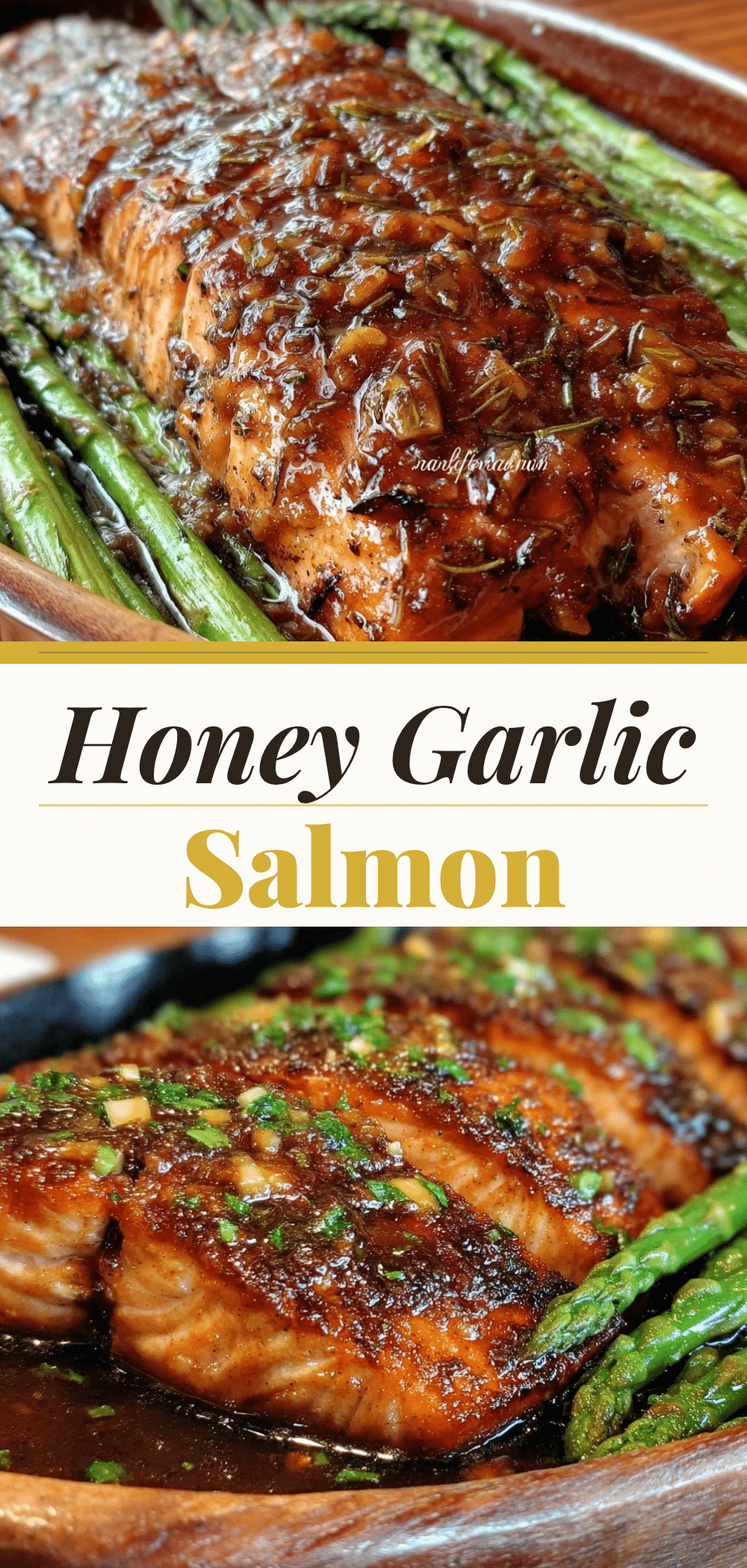
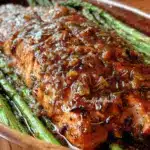
One-Pan Honey Garlic Salmon: 30-Minute Budget-Family Dinner
- Total Time: 30 minutes
- Yield: 4 servings 1x
Description
A quick, budget-friendly weeknight dinner featuring salmon fillets and asparagus roasted on a single baking sheet with a sweet and savory honey garlic glaze.
Ingredients
- 1.5 lbs salmon fillets
- 1 bunch fresh asparagus (about 1 lb)
- 3 tablespoons honey
- 4 cloves garlic, minced
- 2 tablespoons soy sauce
- 1 tablespoon olive oil
- 1 lemon (half for juice, half for wedges)
- 1/2 teaspoon red pepper flakes
- 1/2 teaspoon black pepper
- Salt to taste
- Optional: Fresh parsley or green onions for garnish
Instructions
- Preheat oven to 400°F (200°C). Line a large baking sheet with parchment paper.
- Wash and dry the asparagus. Trim the woody ends by bending a spear to find the snap point, then trim the rest. Place asparagus on one half of the baking sheet, drizzle with a little olive oil, salt, and pepper, and spread in a single layer.
- In a small bowl, whisk together honey, minced garlic, soy sauce, olive oil, lemon juice, red pepper flakes, and black pepper.
- Place salmon fillets on the other half of the baking sheet, ensuring they are not touching. Pat dry, drizzle with a little olive oil, and season with salt and pepper.
- Brush or drizzle the honey garlic sauce generously over the salmon fillets.
- Bake for 12-18 minutes, depending on the thickness of the fillets, until the salmon flakes easily with a fork and is opaque throughout.
- Remove from oven and let rest for 2 minutes before serving with lemon wedges.
Notes
Pat the salmon dry before adding sauce to prevent steaming. If the sauce starts to burn, tent the pan with foil. For extra crispiness, broil for the last 1-2 minutes. Leftovers can be stored in the fridge for up to 3 days.
- Prep Time: 10 minutes
- Cook Time: 20 minutes
- Category: Main Course
- Cuisine: American
Nutrition
- Serving Size: 1 fillet and asparag
- Calories: 320
- Sugar: 14
- Sodium: 450
- Fat: 12
- Saturated Fat: 2
- Carbohydrates: 18
- Fiber: 3
- Protein: 28
Keywords: honey garlic salmon, one pan dinner, weeknight dinner, budget friendly, healthy salmon, roasted asparagus, easy seafood