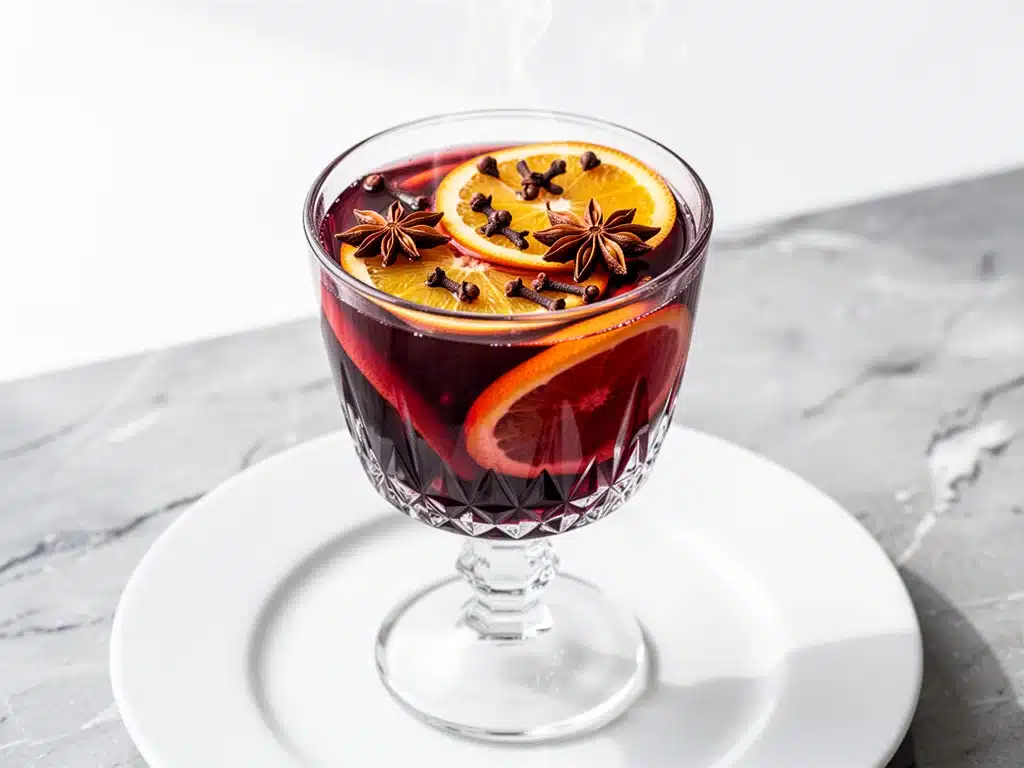
There’s a specific kind of magic that happens in November when the air turns crisp and the leaves start falling. I remember the first time I made this Oktoberfest mulled wine recipe. It was late October, and I was standing on my back porch, shivering in a thin sweater, staring at a half-empty bottle of red wine I had no idea what to do with. I didn’t want to make another fall sticky toffee date pudding or bake more apple cider doughnut cake. I just wanted something warm to hold in my hands that smelled like a German beer garden.
So I threw together what I had: a cheap bottle of red wine, some orange slices, a handful of cloves, and a star anise pod I’d been hoarding since Christmas. I set it on low heat, and within ten minutes, the entire house smelled like a holiday. My husband came in from the garden, took one deep breath, and asked, “What is that? It smells like Christmas.” It wasn’t Christmas yet. It was just Tuesday. But it felt like a celebration.
That was three years ago. Now, this Oktoberfest mulled wine with orange cloves and star anise is my official signal that autumn has arrived. I make it the weekend after the first frost. I make it when I have friends over for a low-key evening. I make it when I just need to decompress after a long week. And I’m telling you, if you’ve ever thought mulled wine was complicated or expensive, you’re about to have your mind changed. It’s stupid simple, it’s incredibly forgiving, and it makes your home smell like a bakery mixed with a spice shop.
Why You’ll Love This Spiced Autumn Recipe
There are plenty of ways to drink wine in the fall. You can drink it cold. You can drink it neat. But this Oktoberfest mulled wine recipe? It’s an experience. Here’s why I keep coming back to it:
- It’s the Ultimate Crowd-Pleaser — I’ve served this to my wine-snob friends and my college-age kids, and everyone loves it. The spices mask the bitterness of cheaper wines, so you don’t need a $50 bottle. In fact, expensive wine gets lost in the spices. This recipe is perfect for using that bottle you bought on sale.
- Smells Like a Cozy Hug — Seriously. The combination of orange, clove, and star anise creates an aroma that fills the whole house. Guests will ask what’s baking, and you get to say, “Nothing, just wine.” It’s the best party trick.
- Stupid Simple — You don’t need a special mulled wine kit. You don’t need a fancy pot. You just need a large saucepan or Dutch oven. Throw everything in, heat it gently, and stir. It’s hands-off cooking at its finest. I can make this while I’m chopping veggies for a Mediterranean ground beef gyro bowl or while I’m setting the table. It does the work for you.
- Perfect for Meal Prep (Sort Of) — While you shouldn’t make it weeks in advance, you *can* mix the dry spices and the fruit ahead of time in a jar. When friends come over, you just dump it in the pot. It takes the stress out of hosting.
- Alcohol-Optional Version — This recipe is so flavorful that if you swap the wine for grape juice or apple cider, it’s still amazing. I make a “mocktail” version for my kids and drivers. They think it’s a fancy punch.
This isn’t just a drink; it’s a mood. It’s the feeling of wrapping yourself in a blanket, turning off the bright lights, and just breathing. If you’re looking for a cozy fall sweet potato pie bar to go with it, go for it. But honestly? This wine is the star of the show.
Ingredients You’ll Need
Here’s the thing about mulled wine: the quality of your wine matters, but not in the way you think. You want something fruity and low-tannin. High-tannin wines (like Cabernet Sauvignon) can get bitter when heated. So, look for a Merlot, Pinot Noir, or a basic Red Blend. Something you’d actually enjoy drinking on its own.
For the Wine Base
Red Wine (750ml / 1 bottle) — I use a dry Merlot or a Spanish Rioja. It has enough body to stand up to the spices. Avoid “cooking wine” from the grocery store—it’s full of salt and preservatives. Use a drinking wine. If it’s not good enough to drink, it’s not good enough to mul.
Orange (1 large) — I use the whole fruit. Sliced into rounds. The oils in the peel are what give it that bright, citrusy lift. Organic is best because we’re eating the peel, but if you wash it well, regular works too.
Lemon (1 medium) — Just one slice or two. It balances the sweetness of the orange and the wine. Don’t skip it, or it’ll taste too flat.
Ginger (1-inch piece, sliced) — Fresh ginger adds a nice heat that warms you up from the inside. I slice it thinly so the flavor infuses quickly. Powdered ginger works in a pinch, but fresh is better.
For the Spice Blend
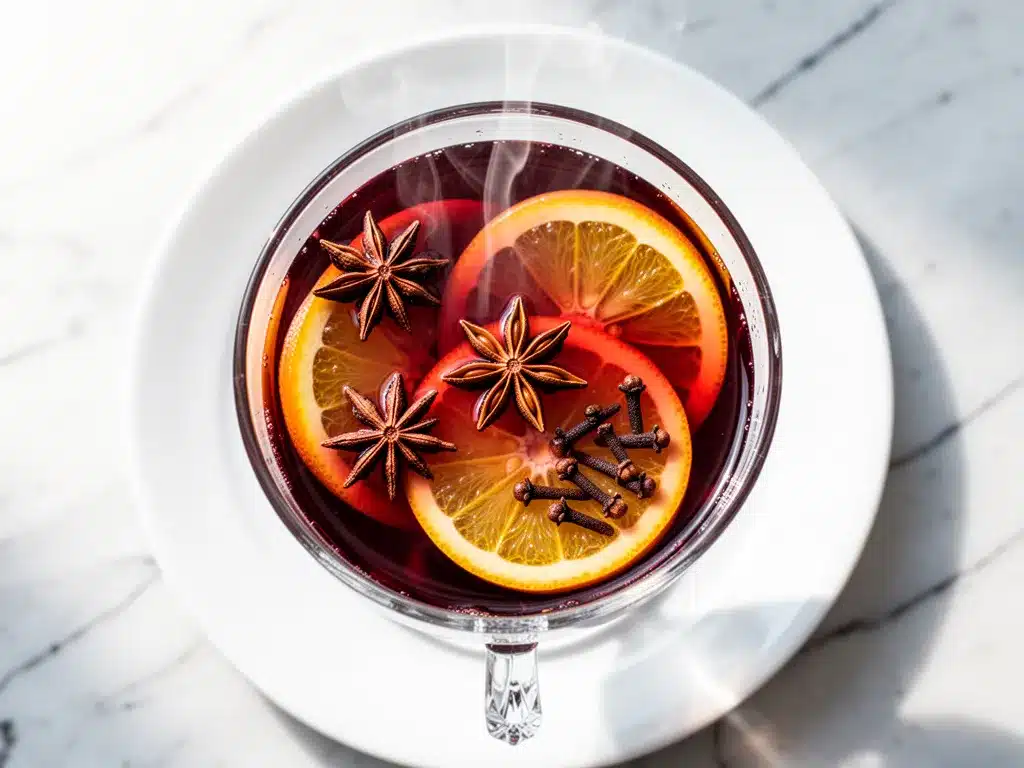
Star Anise (2-3 whole pods) — This is the secret weapon. It adds a licorice-like sweetness that smells incredibly sophisticated. You’ll see these pods later, but you won’t eat them. Just let them do their magic.
Whole Cloves (6-8 cloves) — Cloves are strong. Don’t go crazy. 6 is plenty for a bottle of wine. If you add too many, it’ll taste like medicinal cough syrup. Trust me on this.
Cinnamon Stick (1 large stick) — Or 2 small ones. Cinnamon is the backbone of mulled wine. It provides that classic “holiday spice” flavor. Cassia cinnamon sticks are stronger than Ceylon, so stick with whatever you have.
Black Peppercorns (1/2 teaspoon) — This is the trick my German mother-in-law taught me. A few peppercorns add a subtle heat and depth that makes the wine taste more complex. It’s not spicy-hot, just savory.
For the Sweetness
Dark Brown Sugar (1/4 cup / 50g) — I prefer brown sugar over white because it has molasses notes that pair beautifully with the red wine. It adds a caramel-like richness. You can adjust this to taste later, but start here.
Orange Liqueur (2 tablespoons / 30ml) — Optional, but highly recommended. Cointreau, Triple Sec, or Grand Marnier all work. It boosts the orange flavor and adds a smooth finish. If you don’t have it, skip it. The wine will still be good.
Brandy or Bourbon (2 tablespoons / 30ml) — Another optional boost. A splash of brandy adds warmth and depth. Bourbon adds a smoky vanilla note. I like to add this right before serving, not during the simmering, to keep the alcohol notes bright.
Equipment Needed
You don’t need fancy gadgets for this. Here’s what I actually use:
Large Saucepan or Dutch Oven — I use a 4-quart Dutch oven. It holds the wine comfortably and distributes heat evenly. A large stockpot works too, but you want something with a heavy bottom so the wine doesn’t scorch at the bottom.
Sharp Knife — For slicing the oranges and lemons. A serrated knife is great for citrus because it doesn’t squish the fruit.
Measuring Spoons — Standard stuff. I keep a set on my counter.
Strainer or Slotted Spoon — To remove the fruit and spices before serving. I use a fine-mesh strainer if I want a really clean glass, but a slotted spoon is fine for casual sipping.
Mugs or Heat-Proof Glasses — I love serving this in thick ceramic mugs. It keeps the drink warm longer. If you’re serving guests, heat-proof glasses look elegant.
Optional: Citrus Zester — If you want to add an extra layer of orange aroma, you can zest the orange before slicing it. I do this sometimes for a “fancier” version.
How to Make It: Step-by-Step
Alright, let’s make this! It’s so easy you’ll feel silly. I’m walking you through exactly how I do it, including the little tricks I’ve picked up over the years.
Step 1: Prep the Fruit and Spices (5 minutes)
Wash your orange and lemon thoroughly. Slice the orange into thin rounds, about 1/4-inch thick. Slice the lemon similarly. Peel the ginger and slice it into thin coins. It doesn’t have to be perfect—rustic slices look better and release flavor faster.
In a small bowl, combine the star anise, cloves, cinnamon stick, and black peppercorns. You don’t need to measure these precisely; just eyeball it. Two star anise pods, a pinch of cloves, one cinnamon stick, and a tiny pinch of peppercorns.
Step 2: Combine in the Pot (2 minutes)
Pour the entire bottle of red wine into your large saucepan or Dutch oven. Add the sliced oranges, lemons, and ginger. Then, dump in the spice mix. Finally, add the brown sugar and the orange liqueur (if using).
Stir everything gently with a wooden spoon. You want the sugar to start dissolving, but don’t worry if it’s not 100% dissolved yet. The heat will take care of that.
Step 3: The Gentle Simmer (15-20 minutes)
This is the most important step. Turn the heat to medium-low. You want the wine to get hot, but never boil. Boiling wine kills the alcohol and makes it taste vinegar-y. You want small, lazy bubbles breaking the surface occasionally.
Let it simmer gently for 15 to 20 minutes. The kitchen will start to smell incredible. The color of the wine will deepen, and the spices will release their oils. If you boil it, you’ve ruined it. Lower the heat. Be patient.
Pro Tip: If you want a stronger spice flavor, let it simmer for up to 30 minutes. But after that, the cloves can start to dominate. Taste it after 15 minutes.
Step 4: Taste and Adjust (2 minutes)
After 15 minutes, turn off the heat. Let it sit for 2 minutes to cool slightly. Then, taste it. This is where you customize.
Too tart? Add another teaspoon of brown sugar.
Not spicy enough? Add another clove or a bit more ginger.
Needs more kick? Stir in the brandy or bourbon now.
Once you’re happy with the flavor, it’s ready to serve.
Step 5: Strain and Serve
Place a fine-mesh strainer over a large pitcher or directly over mugs. Ladle the hot wine through the strainer to catch all the fruit slices and spices. This is crucial—nobody wants to bite into a whole clove by accident.
Serve immediately in mugs or glasses. Garnish with a fresh cinnamon stick or a slice of orange if you want it to look pretty. It’s best enjoyed hot, straight from the pot.
Total Time: About 30 minutes (5 minutes prep, 20 minutes simmer, 5 minutes serving).
Expert Tips & Tricks
Here’s everything I’ve learned from making this dozens of times. These tips will save you from my mistakes.
Don’t Boil the Wine
I can’t stress this enough. Boiling wine evaporates the alcohol too quickly and makes the tannins bitter. You want a gentle simmer. If you see rapid bubbling, turn the heat down immediately. Low and slow is the way to go.
Use Whole Spices, Not Ground
Ground cinnamon and cloves will make your wine murky and gritty. Always use whole spices. They infuse flavor without making the texture unpleasant. If you must use ground spices, put them in a cheesecloth bag or a tea infuser. But whole is better.
The “Overnight” Trick
If you’re hosting a party, you can make this the night before. Let it cool completely, cover it, and refrigerate. The flavors meld together overnight and become even better. To serve, just pour it into the pot and heat it gently. Just make sure to bring it to temperature slowly.
Choose the Right Wine
Avoid oaky wines like heavily aged Cabernet or Barolo. The oak flavor doesn’t mix well with spices and can taste medicinal. Stick to fruity, light-to-medium bodied reds. Merlot, Pinot Noir, Gamay (Beaujolais), or a Spanish Tempranillo are perfect choices.
Storage Warning
Once you’ve added the fruit and spices, the mulled wine doesn’t keep well. The fruit continues to break down and can make the wine bitter after a day or two. It’s best to make it fresh. If you have leftovers, strain out all the fruit and store just the liquid in the fridge for up to 3 days. Reheat gently and add fresh fruit when serving.
Variations & Substitutions
Once you’ve nailed the basic version, here’s how you can mix it up. I’ve tried all of these.
Non-Alcoholic Version
Swap the red wine for unsweetened grape juice or a mix of apple cider and cranberry juice. Add the same spices and fruit. Skip the orange liqueur and brandy. It’s surprisingly good and perfect for kids or designated drivers.
White Wine Mulled Wine
Yes, it exists! Use a dry white wine like Riesling or Sauvignon Blanc. Reduce the cloves and star anise, and add more ginger and lemon. It’s lighter and more floral. Great for autumn evenings that aren’t quite cold enough for heavy reds.
Spiced Apple Cider Mulled Wine
Mix half red wine and half apple cider. This makes it sweeter and more apple-forward. Add an extra cinnamon stick and a slice of apple. It’s like drinking fall in a mug. I love this version for Thanksgiving.
Chocolate Mulled Wine
Add a square of dark chocolate to the pot during the last 5 minutes of simmering. It melts into the wine and creates a rich, dessert-like drink. Top with whipped cream. It’s decadent and perfect for date night.
Dietary Modifications
Gluten-Free: This recipe is naturally gluten-free, as long as your wine and spices are certified gluten-free. Check your wine labels just to be sure.
Vegan: This is naturally vegan. Just ensure your sugar is vegan (some white sugars are processed with bone char, but brown sugar usually isn’t). Use a vegan-friendly wine.
Serving & Storage
How to Serve: I usually serve this straight from the pot at the dinner table—it looks rustic and stays warm. But here are other ways I’ve enjoyed it:
Side Dishes: This pairs beautifully with hearty autumn meals. I serve it with slow cooker beef and barley stew or a simple roasted chicken. It also goes great with cheese boards, especially sharp cheddar or gouda.
Toppings Bar: When I have guests, I put out: extra cinnamon sticks, star anise pods for smell, and a small bowl of brown sugar for those who want it sweeter. Some people like to add a splash of cream or a scoop of vanilla ice cream on top.
Wine Pairing: I know, it’s wine itself. But if you’re serving other drinks, try a crisp lager or a spicy beer to contrast the warm wine.
Storage Instructions:
Refrigerator: If you have leftover wine (strained of fruit), store it in an airtight container for up to 3 days. Reheat gently on the stove. Do not microwave, as it heats unevenly and can boil the wine.
Freezing: You can freeze mulled wine, but the texture of the fruit will change. Freeze the strained liquid in ice cube trays, then transfer to a freezer bag. Thaw in the fridge and reheat. It won’t be quite as fresh, but it works.
Pro Tip: If the wine tastes too strong or boozy after reheating, add a splash of hot water or more cider to dilute it slightly.
Nutrition Information
I’m not a nutritionist, but here’s the breakdown if you’re tracking. Keep in mind that this is a treat, not a health food.
Per Serving (based on 6 servings of 1 cup):
- Calories: 140
- Protein: 0g
- Carbs: 12g
- Fiber: 0g
- Sugar: 10g
- Fat: 0g
- Alcohol: ~12% (varies by wine)
What’s Good: It’s lower in calories than a cocktail with mixers. The antioxidants from the red wine are still there, though heat reduces them slightly. The spices have anti-inflammatory properties.
What to Know: It contains alcohol and sugar. Drink responsibly. If you’re watching sugar, reduce the brown sugar or use a sugar substitute.
My Take: Look, this is a seasonal treat. Enjoy it in moderation. It’s about the warmth and the flavor, not the macros. When I make this, I’m not counting calories; I’m counting happy moments.
Final Thoughts
So that’s my go-to Oktoberfest mulled wine with orange cloves and star anise! I’ve probably talked your ear off at this point, but when you make a recipe this often, you have a lot to say about it.
This has saved many an awkward autumn evening. It’s my answer to “What do we do when it’s too cold to go out?” I pull out the mugs, put on some jazz, and let the house fill with that spicy, citrusy smell. My kids are happy (with the non-alcoholic version), my husband’s happy, and I’m happy because I’m not stressed about cooking a big meal.
Make it yours! Try different spices, swap in your favorite wine, or add a splash of brandy. The best recipes are the ones you adapt to your family’s tastes. And if you make this, drop a comment and let me know what you think! I love hearing how recipes turn out in your kitchen. And if something doesn’t work, tell me that too—I’m here to help troubleshoot.
Happy cooking! And I hope your kitchen smells half as good as mine does right now.
Frequently Asked Questions
Can I use white wine instead of red?
Yes! White wine mulled wine is a thing. Use a dry white like Riesling or Sauvignon Blanc. Reduce the cloves and star anise, and add more ginger and lemon. It’s lighter and more floral. Just don’t boil it!
Why did my mulled wine taste bitter?
Usually, this means you boiled the wine. Boiling makes the tannins in the wine bitter. Next time, keep the heat very low—just a gentle simmer. Also, check if you used too many cloves. Cloves are potent; 6 is plenty.
Can I make this ahead of time?
You can make the spice mixture ahead of time and store it in a jar. Or, you can make the whole thing the night before and refrigerate it. Just reheat it gently on the stove. Don’t microwave it, as it heats unevenly.
How long does mulled wine keep?
Once you’ve added the fruit and spices, it’s best to drink it within 24 hours. The fruit will start to break down and make the wine bitter. If you strain out all the fruit, the liquid can last 3-4 days in the fridge.
Can I make this in a slow cooker?
Absolutely! This is actually easier in a slow cooker. Combine everything in the slow cooker and cook on Low for 2-3 hours. Stir occasionally. This prevents boiling and makes it very hands-off. Great for parties!
What’s the best wine for mulled wine?
Look for a fruity, low-tannin red wine. Merlot, Pinot Noir, or a Spanish Rioja are great choices. Avoid expensive, oaky wines like Cabernet Sauvignon or Barolo—the oak flavor doesn’t mix well with spices.
Can I add chocolate to this?
Yes! Add a square of dark chocolate in the last 5 minutes of heating. It melts into the wine and creates a rich, dessert-like drink. It’s delicious and perfect for cold nights.
Pin This Recipe!
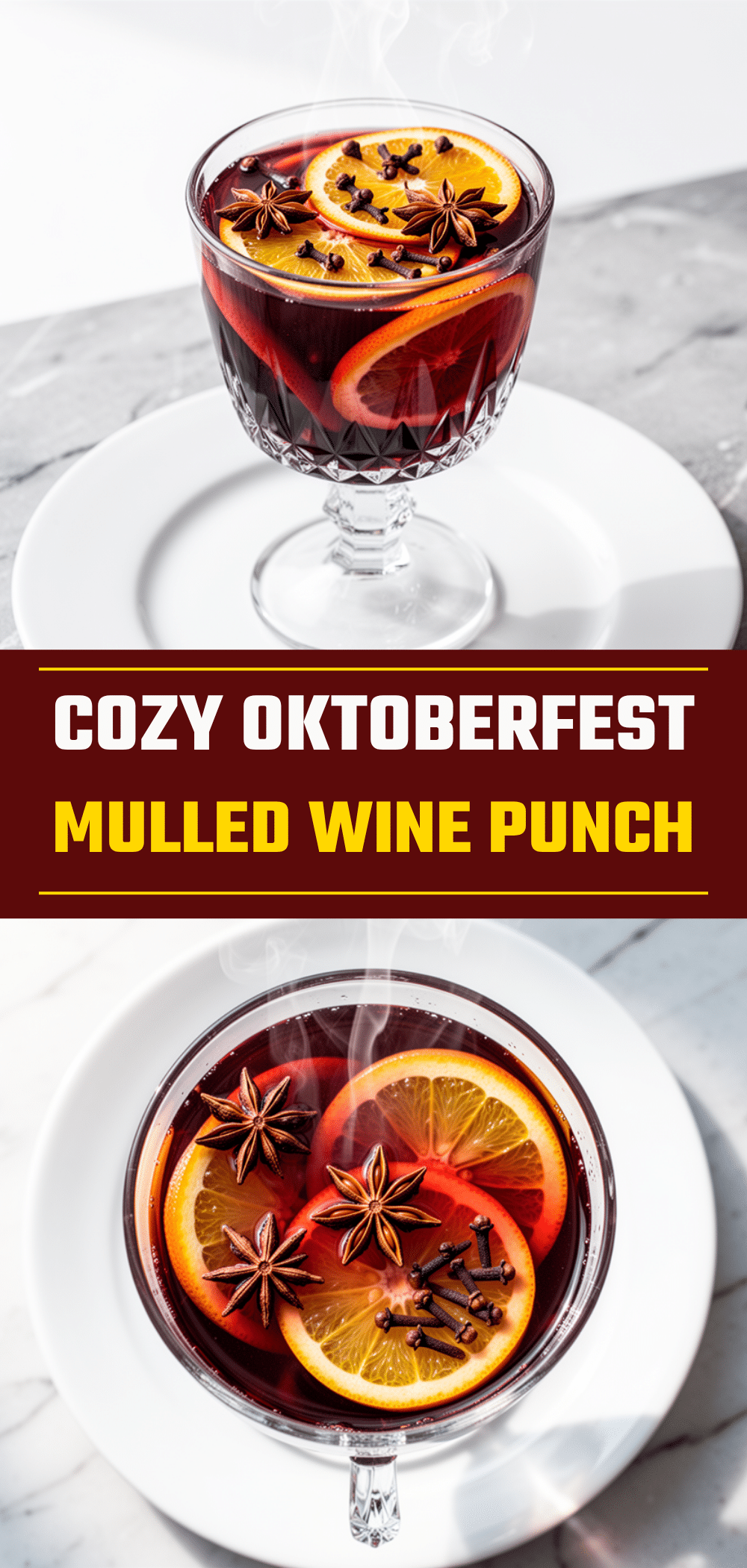

Oktoberfest Mulled Wine: Easy Spiced Autumn Recipe
- Total Time: 30 minutes
- Yield: 6 servings 1x
Description
A simple, forgiving, and aromatic spiced mulled wine recipe featuring red wine, orange, cloves, and star anise. Perfect for autumn evenings and easy to make on the stovetop.
Ingredients
- 1 bottle (750ml) dry red wine (Merlot, Pinot Noir, or Spanish Rioja)
- 1 large orange, sliced into rounds
- 1 medium lemon, sliced into rounds
- 1-inch piece fresh ginger, sliced into thin coins
- 2–3 whole star anise pods
- 6–8 whole cloves
- 1 large cinnamon stick (or 2 small ones)
- 1/2 teaspoon black peppercorns
- 1/4 cup (50g) dark brown sugar
- 2 tablespoons orange liqueur (optional, e.g., Cointreau, Triple Sec)
- 2 tablespoons brandy or bourbon (optional)
Instructions
- Wash the orange and lemon thoroughly. Slice the orange into thin rounds (about 1/4-inch thick) and slice the lemon similarly. Peel and slice the ginger into thin coins.
- In a small bowl, combine the star anise, cloves, cinnamon stick, and black peppercorns.
- Pour the entire bottle of red wine into a large saucepan or Dutch oven. Add the sliced oranges, lemons, ginger, and the spice mix.
- Add the brown sugar and orange liqueur (if using). Stir gently with a wooden spoon to help dissolve the sugar.
- Turn the heat to medium-low. Heat the wine gently until small bubbles break the surface occasionally. Do not let it boil.
- Simmer gently for 15 to 20 minutes. Taste after 15 minutes and adjust sweetness or spice if needed.
- If using brandy or bourbon, stir it in now.
- Place a fine-mesh strainer over a pitcher or mugs. Ladle the hot wine through the strainer to remove fruit and spices.
- Serve immediately in mugs or heat-proof glasses, garnished with a cinnamon stick or orange slice.
Notes
Do not boil the wine, as it will evaporate the alcohol and make the tannins bitter. Use whole spices, not ground, to avoid a gritty texture. For a non-alcoholic version, substitute wine with grape juice or apple cider. The wine can be made ahead and refrigerated for up to 3 days if strained of fruit and spices.
- Prep Time: 5 minutes
- Cook Time: 20 minutes
- Category: Beverage
- Cuisine: German
Nutrition
- Serving Size: 1 cup
- Calories: 140
- Sugar: 10
- Carbohydrates: 12
Keywords: mulled wine, Oktoberfest, spiced wine, autumn recipe, fall drink, red wine recipe, holiday drink, cozy autumn