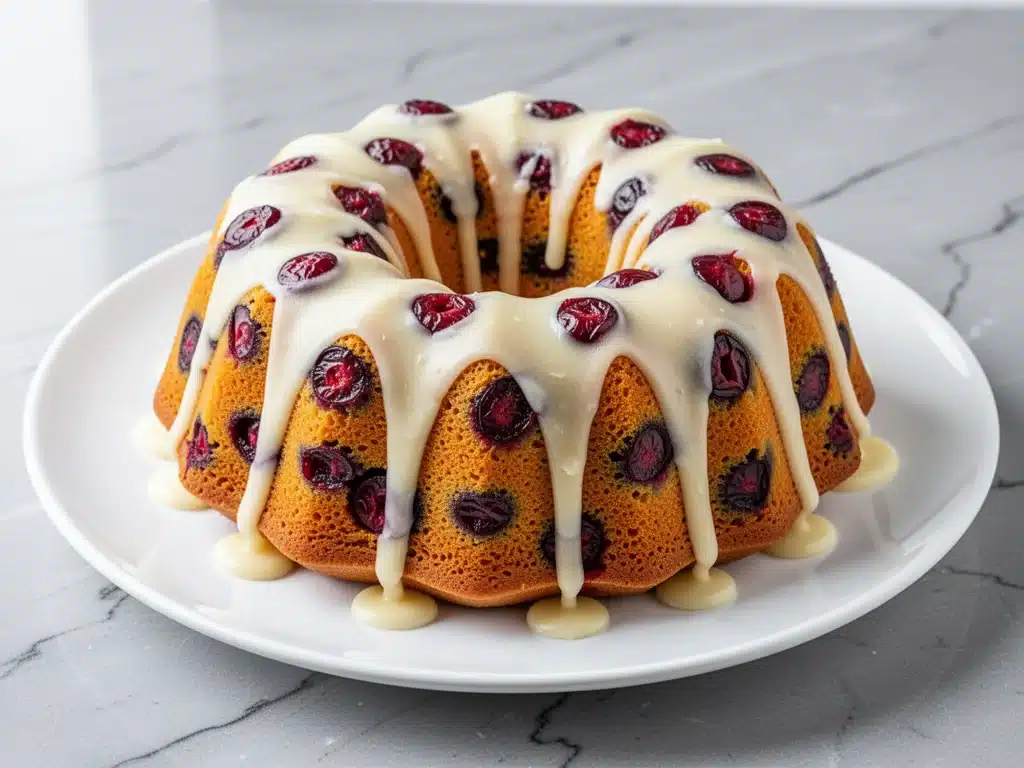
I still remember the first time I made this cake. It was late November, the kind of afternoon where the sky is already gray by 4 PM, and I was desperately trying to salvage my holiday hosting confidence. I had planned to make a fancy three-tiered dessert, but life had other plans—specifically, a kitchen fire that knocked out my main oven. In a panic, I grabbed my oldest, most battered Bundt pan (the one with the chip in the rim I’ve been meaning to replace for three years) and threw together what I thought would be a simple backup.
I didn’t expect much. I really didn’t. But when I flipped that cake onto the rack, poured that vanilla cream cheese glaze over the top, and watched it drip into every nook and cranny of the pan’s design, something clicked. The scent of orange zest and toasted cranberries filled the house, and my guests didn’t just eat it—they asked for the recipe. That was three years ago. Since then, this Autumn Cranberry Orange Bundt Cake has become my secret weapon for every gathering, from Thanksgiving leftovers parties to random Tuesday tea times.
It’s not just a cake. It’s a vibe. It’s the taste of autumn in a slice. The cranberries add this bright, tart punch that cuts through the rich orange flavor, while the vanilla cream cheese glaze ties everything together with a silky, tangy sweetness that makes you close your eyes when you take the first bite. I’ve tested this recipe at least twelve times, tweaking the ratios of zest, adjusting the bake time for different Bundt pan sizes, and perfecting that glaze consistency. And here’s the thing: it’s actually forgiving. You don’t need to be a professional baker to nail this. You just need a Bundt pan, some patience, and a willingness to let the kitchen smell amazing.
If you’ve ever struggled with dry cakes or glazes that slide right off, this is your fix. The secret is in the moisture from the buttermilk and the careful folding of the cranberries so they don’t sink to the bottom. I’ve also found that letting the cake cool completely before glazing is non-negotiable—if you rush it, the glaze melts into a puddle instead of staying put. But once you get it right? It’s magic. And trust me, once you serve this, you’ll be making it on repeat.
Why You’ll Love This Bundt Cake
There are a lot of cake recipes out there, but this Autumn Cranberry Orange Bundt Cake with Vanilla Cream Cheese Glaze stands out for reasons that go beyond just taste. Here’s why it’s become a staple in my rotation, and why it will likely become one in yours too.
It Looks Fancy But Isn’t — Let’s be real: we all want our desserts to look Instagram-worthy. This cake delivers. The Bundt shape gives it an elegant, bakery-style appearance, and the glaze dripping down the sides makes it look like you spent hours on it. Spoiler alert: it takes about 45 minutes of active work. I’ve served this to foodie friends who swear by high-end bakeries, and they were shocked to hear it came from my home kitchen.
The Flavor Balance is Perfect — Too much orange can taste like soap. Too many cranberries can taste like candy. This recipe strikes that elusive balance. The fresh orange zest provides aromatic brightness without overwhelming the palate, while the dried cranberries (or fresh ones, if you’re in season) add bursts of tartness that keep each bite interesting. It’s sweet, yes, but in a sophisticated way that isn’t cloying.
It Stays Moist for Days — One of the biggest complaints about Bundt cakes is that they dry out after a day. Not this one. The buttermilk in the batter keeps the crumb tender and moist for up to four days, even without refrigeration. I’ve made this on Sunday and eaten slices all week, and it still tastes fresh on Thursday. (Though, let’s be honest, it rarely lasts that long.)
The Glaze is a Game-Changer — Most Bundt cake glazes are just powdered sugar and milk. Boring. This vanilla cream cheese glaze adds a tangy richness that complements the orange-cranberry flavor profile beautifully. It’s thick enough to hold its shape but soft enough to spread easily. And the best part? It sets into a slightly firm, chewy layer that contrasts perfectly with the soft cake underneath.
It’s Make-Ahead Friendly — Need to prep ahead for a party? This cake is your best friend. You can bake it a day or two in advance, store it covered at room temperature, and just add the glaze right before serving. It actually tastes better after sitting for a few hours, as the flavors have time to meld. I often bake it the night before a gathering, which saves me so much stress on the day of.
This cake isn’t just a dessert; it’s a confidence booster. It’s the kind of dish that makes you feel like a seasoned baker, even if you’re just starting out. And once you taste that first slice, you’ll understand why I keep coming back to it.
Ingredients You’ll Need for the Cake and Glaze
Here’s the good news: you probably have most of these ingredients already. This isn’t a recipe that requires a trip to three different specialty stores. It’s built on pantry staples and a few fresh items that make a huge difference. I’m particular about a few things here, though, so pay attention to the notes.
For the Cake Batter
Unsalted butter (1 cup / 226g, softened) — This is the foundation. Use room temperature butter so it creams easily with the sugar. If it’s too cold, you’ll end up with lumps. If it’s too melted, the texture will be dense. I usually take mine out of the fridge about an hour before baking.
Granulated sugar (1 ½ cups / 300g) — Standard white sugar works best here. It helps create that tender crumb and adds sweetness to balance the tart cranberries. Don’t try to substitute with brown sugar unless you want a denser, molasses-heavy cake.
Eggs (3 large) — Room temperature eggs incorporate better into the batter. I like to set mine in a bowl of warm water for 10 minutes if I forget to take them out earlier. Cold eggs can cause the batter to curdle when mixed with the butter.
Vanilla extract (2 teaspoons) — Use real vanilla extract, not imitation. The flavor difference is noticeable, especially when it’s a key component alongside the orange. I use pure vanilla bean extract sometimes for an extra luxe touch, but standard extract works perfectly.
All-purpose flour (2 ½ cups / 315g) — This is your structure. Don’t use cake flour unless you want a very delicate, fragile crumb. All-purpose gives that sturdy Bundt cake texture that holds up to the glaze. Sift it if it’s been sitting in the pantry for a while to ensure no lumps.
Baking powder (1 ½ teaspoons) — And baking soda (½ teaspoon) — These work together to lift the cake. Make sure they’re not expired! I test mine every six months. Old leavening agents are the silent killer of fluffy cakes.
Salt (1 teaspoon) — Essential for balancing the sweetness. Don’t skip it. It makes the orange flavor pop.
Buttermilk (1 cup / 240ml) — This is the moisture hero. If you don’t have buttermilk, make your own by adding 1 tablespoon of lemon juice or white vinegar to 1 cup of milk and letting it sit for 5 minutes. It adds tang and tenderness.
Orange zest (2 large oranges) — Use organic oranges if possible, since you’re eating the peel. You want about 2 tablespoons of zest. Zest the oranges before juicing them. Be careful not to get the white pith—it’s bitter.
Orange juice (¼ cup / 60ml) — Freshly squeezed is best. Bottled juice has a metallic aftertaste that ruins the delicate flavor. I usually save the juice from the zested oranges.
Dried cranberries (1 ½ cups / 150g) — The star of the show. Look for sweetened dried cranberries (craisins) for the best balance. If you’re using fresh cranberries, you’ll need to toss them in flour first to prevent sinking, and they’ll release more moisture, so you might need to adjust the liquid slightly.
Coining trick: Toss the dried cranberries in 1 tablespoon of flour before folding them in. This helps suspend them in the batter so they don’t all sink to the bottom of the pan.
For the Vanilla Cream Cheese Glaze
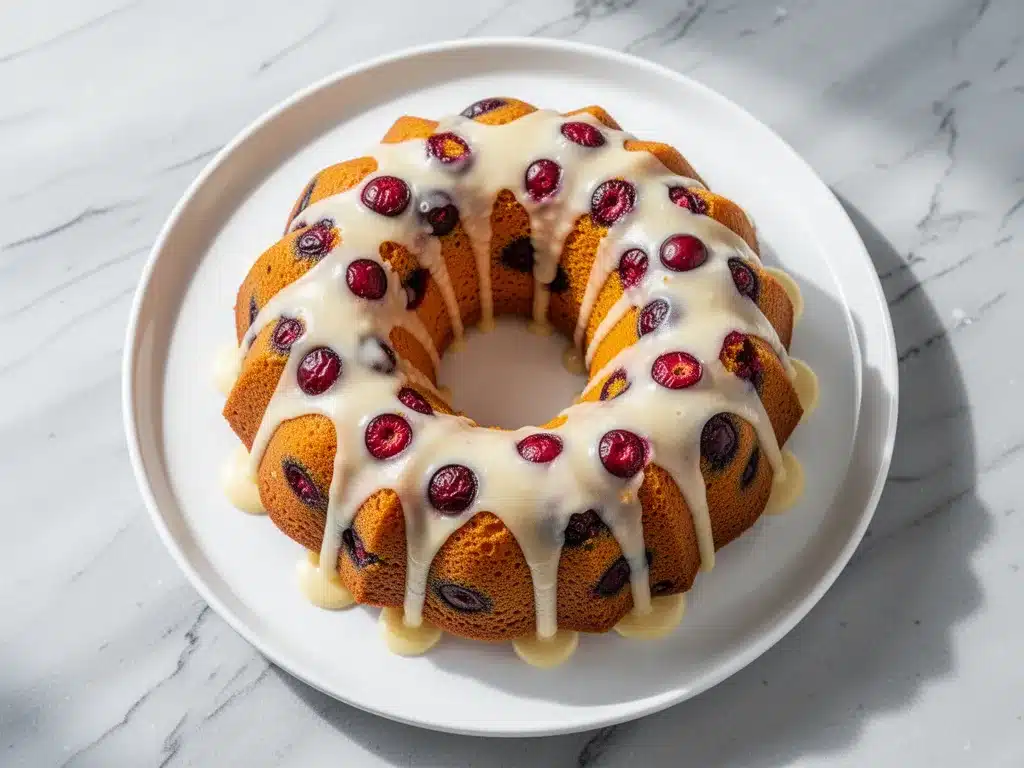
Full-fat cream cheese (4 ounces / 113g, softened) — This is crucial. Light cream cheese has higher water content and won’t give you that thick, rich glaze. Let it come to room temperature so it blends smoothly.
Butter (¼ cup / 57g, softened) — Adds richness and helps the glaze set properly.
Powdered sugar (2 cups / 240g, sifted) — Sifting is non-negotiable here. Lumpy powdered sugar will ruin the smooth texture of your glaze. If you don’t have a sifter, just whisk it vigorously through a fine-mesh strainer.
Vanilla extract (1 teaspoon) — Reinforces the vanilla flavor in the cake.
Milk or cream (1-2 tablespoons) — Adjust for consistency. You want a glaze that’s thick enough to coat the back of a spoon but fluid enough to drizzle. Start with 1 tablespoon and add more only if needed.
Equipment You’ll Need
You don’t need a fancy kitchen for this. Here’s what I actually use, and what works.
9-inch Bundt pan — This is the most important tool. Make sure it’s a traditional Bundt shape with a hole in the middle. This helps the cake bake evenly. I use a heavy-duty aluminum pan because it distributes heat well. Avoid non-stick coatings if possible, as they can sometimes cause the cake to stick if not prepared properly. My go-to is a classic Nordic Ware pan.
Electric mixer — A hand mixer or stand mixer makes creaming the butter and sugar much easier. Doing it by hand is possible but takes serious arm strength. I use my stand mixer on medium speed.
Large mixing bowls — One for dry ingredients, one for wet. Having separate bowls keeps things organized.
Rubber spatula — Essential for folding in the cranberries gently. You don’t want to deflate the batter.
Whisk — For mixing the dry ingredients and the glaze.
Cooling rack — Let the cake cool in the pan for 10 minutes, then flip it onto a rack. This prevents sogginess from trapped steam.
Pastry brush — Optional, but helpful for brushing the pan with butter and flour evenly.
How to Make It: Step-by-Step
Alright, let’s bake this thing. I’m walking you through exactly how I do it, including the little tricks I’ve picked up over the years. This process is straightforward, but attention to detail makes all the difference.
Step 1: Prep Your Pan and Oven (10 minutes)
Preheat your oven to 350°F (175°C). This is critical—Bundt cakes need consistent heat. While it heats, prepare your Bundt pan. This is where many people fail. Generously coat the entire pan with softened butter, making sure to get into every crevice. Then, dust with flour, tapping out the excess. For extra insurance, I sometimes spray with non-stick baking spray with flour in it. The goal is to ensure nothing sticks. If your pan has intricate designs, use a pastry brush to get the butter deep into the grooves.
Step 2: Mix the Dry Ingredients (2 minutes)
In a medium bowl, whisk together the flour, baking powder, baking soda, and salt. Whisking ensures the leavening agents are evenly distributed, which prevents bitter spots in your cake. Set this aside.
Step 3: Cream the Butter and Sugar (3-4 minutes)
In a large bowl, beat the softened butter and granulated sugar together on medium-high speed until light and fluffy. This usually takes about 3-4 minutes. The mixture should look pale and airy. This step incorporates air into the batter, which helps the cake rise. Don’t rush this. If the mixture looks dense, keep beating. I often scrape down the sides of the bowl halfway through to ensure even mixing.
Step 4: Add Eggs and Vanilla (2 minutes)
Add the eggs one at a time, beating well after each addition. Mix in the vanilla extract. The batter might look slightly curdled at this point—that’s normal. It will come together once you add the dry ingredients. If it looks too separated, just keep mixing gently.
Step 5: Combine Wet and Dry Ingredients (3 minutes)
Reduce the mixer speed to low. Add the dry ingredients in three parts, alternating with the buttermilk and orange juice. Start and end with the dry ingredients. Mix until just combined. Overmixing at this stage develops gluten, which leads to a tough cake. Stop as soon as you no longer see streaks of flour. Fold in the orange zest and the flour-tossed cranberries using a rubber spatula. Be gentle—just enough to distribute them evenly.
Step 6: Bake the Cake (50-60 minutes)
Pour the batter into the prepared Bundt pan, smoothing the top with a spatula. Bake in the preheated oven for 50-60 minutes. Check at 50 minutes by inserting a wooden skewer into the center of the cake. If it comes out clean or with just a few moist crumbs, it’s done. If there’s wet batter on the skewer, continue baking in 5-minute increments. Bundt cakes can be tricky because the center takes longer to bake. Don’t open the oven door too early, or the cake might collapse.
Step 7: Cool the Cake (20 minutes)
Once baked, let the cake cool in the pan for 10 minutes. This allows it to set slightly so it doesn’t break when flipped. After 10 minutes, place a cooling rack over the pan and carefully invert it. Gently lift the pan away. If it sticks, tap the bottom of the pan or give it a gentle shake. Let the cake cool completely on the rack before glazing. This is crucial—if the cake is warm, the glaze will melt and soak in instead of sitting on top.
Step 8: Make the Glaze (5 minutes)
While the cake cools, make the glaze. In a medium bowl, beat the softened cream cheese and butter together until smooth. Add the sifted powdered sugar, vanilla extract, and 1 tablespoon of milk. Beat on low speed until combined, then increase to medium speed for 1-2 minutes until the glaze is smooth and creamy. If it’s too thick, add another tablespoon of milk. If it’s too thin, add a little more powdered sugar.
Step 9: Glaze the Cake (5 minutes)
Place the completely cooled cake on a serving plate or cake stand. Pour the glaze over the top, using a spatula to help it drip down the sides. You want coverage, but not necessarily a thick layer. The glaze will set as it cools, forming a slightly firm crust. Let it sit for 15 minutes before slicing to allow the glaze to firm up.
Expert Tips & Tricks
Here’s everything I’ve learned from making this cake dozens of times. These tips will save you from my mistakes.
Room Temperature Ingredients are Key — Butter, eggs, and cream cheese must be at room temperature. Cold ingredients don’t emulsify properly, leading to a dense, uneven cake. I set my eggs and cream cheese in a bowl of warm water for 10 minutes if I’m in a hurry.
Don’t Overmix the Batter — Once you add the flour, mix until just combined. Overmixing develops gluten, which makes the cake tough and chewy instead of tender. A few small lumps are okay.
Flour the Cranberries — Tossing dried cranberries in flour before adding them to the batter helps prevent them from sinking to the bottom. It’s a small step that makes a big difference in presentation.
Test for Doneness Properly — The skewer test is your best friend. Insert it into the thickest part of the cake, near the center. If it comes out clean, you’re good. If it’s wet, keep baking. Bundt cakes continue to cook slightly after being removed from the oven due to residual heat.
Cool Completely Before Glazing — I know it’s tempting to glaze it while it’s warm, but resist. Warm cake melts glaze. Let it cool completely on a wire rack. This ensures the glaze stays on top and sets properly.
Adjust Glaze Consistency — The glaze should be thick enough to coat the back of a spoon but fluid enough to drizzle. Start with less milk and add gradually. You can always add more, but you can’t take it away.
Variations & Substitutions
Once you’ve nailed the basic version, here’s how you can mix it up. I’ve tried all of these, and they work beautifully.
Fresh Cranberry Version — If you have access to fresh cranberries, use 1 ½ cups of fresh, finely chopped cranberries. Toss them in 1 tablespoon of flour as well. They will release more moisture, so you might want to reduce the buttermilk by 1-2 tablespoons. The flavor will be brighter and more tart.
Lemon Glaze Alternative — Swap the cream cheese in the glaze for more butter and powdered sugar, and add the zest of one lemon. This creates a lighter, tangier glaze that pairs well with the orange cake.
White Chocolate Cranberry — Fold ½ cup of white chocolate chips into the batter along with the cranberries. The sweetness of the chocolate balances the tartness of the cranberries beautifully.
Gluten-Free Option — Use a 1:1 gluten-free flour blend. Make sure it contains xanthan gum, or add ½ teaspoon to the dry ingredients. The texture will be slightly denser, but still delicious.
Dairy-Free Version — Use dairy-free butter and cream cheese alternatives. For the buttermilk, use almond milk with lemon juice. The flavor will be slightly different, but still tasty.
Spiced Variation — Add 1 teaspoon of cinnamon and ½ teaspoon of nutmeg to the dry ingredients. This gives the cake a warmer, fall-inspired flavor profile.
Serving & Storage
This cake is versatile and stores well, making it perfect for meal prep or entertaining.
How to Serve — I usually serve this cake at room temperature. It’s the perfect texture—moist but not soggy, sweet but not overpowering. Pair it with a cup of coffee or tea. It also goes well with a glass of chilled white wine or a stout beer for a more adult gathering. For a festive touch, garnish with a few extra dried cranberries or a twist of orange zest on each slice.
Side Dishes — This cake is rich, so it doesn’t need much in the way of sides. However, if you’re serving it as part of a larger dessert spread, pair it with lighter options like Greek yogurt berry parfait or fresh fruit salad. For breakfast, it pairs wonderfully with fluffy cinnamon roll baked oatmeal or savory bacon egg and cheese breakfast sliders for a sweet-and-savory brunch spread.
Storage Instructions — Store the glazed cake in an airtight container at room temperature for up to 4 days. It stays moist and fresh. If your kitchen is very hot or humid, you can refrigerate it, but bring it to room temperature before serving for the best texture. Do not freeze the glazed cake, as the glaze will become sticky and lose its texture. If you want to freeze, bake the cake without glaze, wrap it tightly in plastic wrap and foil, and freeze for up to 2 months. Thaw overnight in the fridge and glaze before serving.
Make-Ahead Strategy — This cake is ideal for make-ahead. Bake it 1-2 days in advance. Store it covered at room temperature. Glaze it the morning of your event. This reduces day-of stress and allows the flavors to meld.
Nutrition Information
I’m not a nutritionist, but here’s the breakdown if you’re tracking. This is a rich, indulgent cake, so portion control is key.
Per Serving (based on 12 slices):
- Calories: 420
- Protein: 5g
- Carbs: 58g
- Fiber: 1g
- Sugar: 42g
- Fat: 18g
- Saturated Fat: 11g
- Cholesterol: 55mg
- Sodium: 280mg
What’s Good: It provides a quick energy boost from the sugar and carbs. The orange zest adds a small amount of vitamin C. The cranberries offer antioxidants.
What to Know: It’s high in sugar and saturated fat due to the butter, cream cheese, and powdered sugar. Use this as a special occasion treat rather than an everyday snack. If you’re watching sugar intake, reduce the powdered sugar in the glaze by ¼ cup, though the texture will be slightly thinner.
Final Thoughts
So that’s my Autumn Cranberry Orange Bundt Cake with Vanilla Cream Cheese Glaze! I’ve probably talked your ear off at this point, but when you make a recipe this often, you have a lot to say about it. This cake has saved me more times than I can count. It’s my answer to “what do I bring to the party?” when I want to impress without spending hours in the kitchen. My family loves it, my friends ask for it, and I love making it.
Make it yours! Try different glazes, swap in different dried fruits, or add spices to match the season. The best recipes are the ones you adapt to your tastes. If you make this, drop a comment and let me know what you think! I love hearing how recipes turn out in your kitchen. And if something doesn’t work, tell me that too—I’m here to help troubleshoot.
Happy baking! And I hope your kitchen smells half as good as mine does right now.
Frequently Asked Questions
Can I use fresh cranberries instead of dried?
Yes, but you’ll need to adjust the recipe slightly. Use 1 ½ cups of fresh cranberries, finely chopped. Toss them in 1 tablespoon of flour to prevent sinking. Fresh cranberries release more moisture, so reduce the buttermilk by 1-2 tablespoons to avoid a soggy cake. The flavor will be more tart, which is delicious, but less sweet than dried cranberries.
Why did my cake stick to the pan?
This usually happens if the pan wasn’t prepared properly. Make sure you butter every nook and cranny, then dust with flour. Tap out the excess. If you’re using a new pan, consider seasoning it with oil and baking it once before use. Also, let the cake cool in the pan for 10 minutes before inverting—this helps it release.
Can I make this cake ahead of time?
Absolutely. Bake the cake 1-2 days in advance. Store it covered at room temperature. Glaze it the day of serving. This actually improves the flavor as the cake settles. Do not freeze the glazed cake, as the glaze will become sticky.
Why is my glaze too runny?
If the glaze is too thin, add more sifted powdered sugar, ¼ cup at a time, until it reaches the desired consistency. If it’s too thick, add more milk, 1 teaspoon at a time. The temperature of your kitchen can also affect the glaze—warmer kitchens make it softer.
Can I freeze this cake?
You can freeze the cake without glaze. Wrap it tightly in plastic wrap and then in aluminum foil. Freeze for up to 2 months. Thaw overnight in the fridge and glaze before serving. Do not freeze the glazed cake.
What kind of Bundt pan should I use?
Any 9-inch Bundt pan works. Avoid non-stick coatings if possible, as they can sometimes cause sticking if not prepared meticulously. Heavy-duty aluminum pans distribute heat evenly, which is ideal for Bundt cakes. Make sure the pan has a hole in the center to ensure even baking.
Can I substitute the orange zest with lemon zest?
Yes, you can. Lemon zest will create a lemon-cranberry flavor profile, which is also delicious. You can even use half orange and half lemon zest for a more complex citrus flavor. Just make sure to use the zest of 2 medium citrus fruits.
Pin This Recipe!
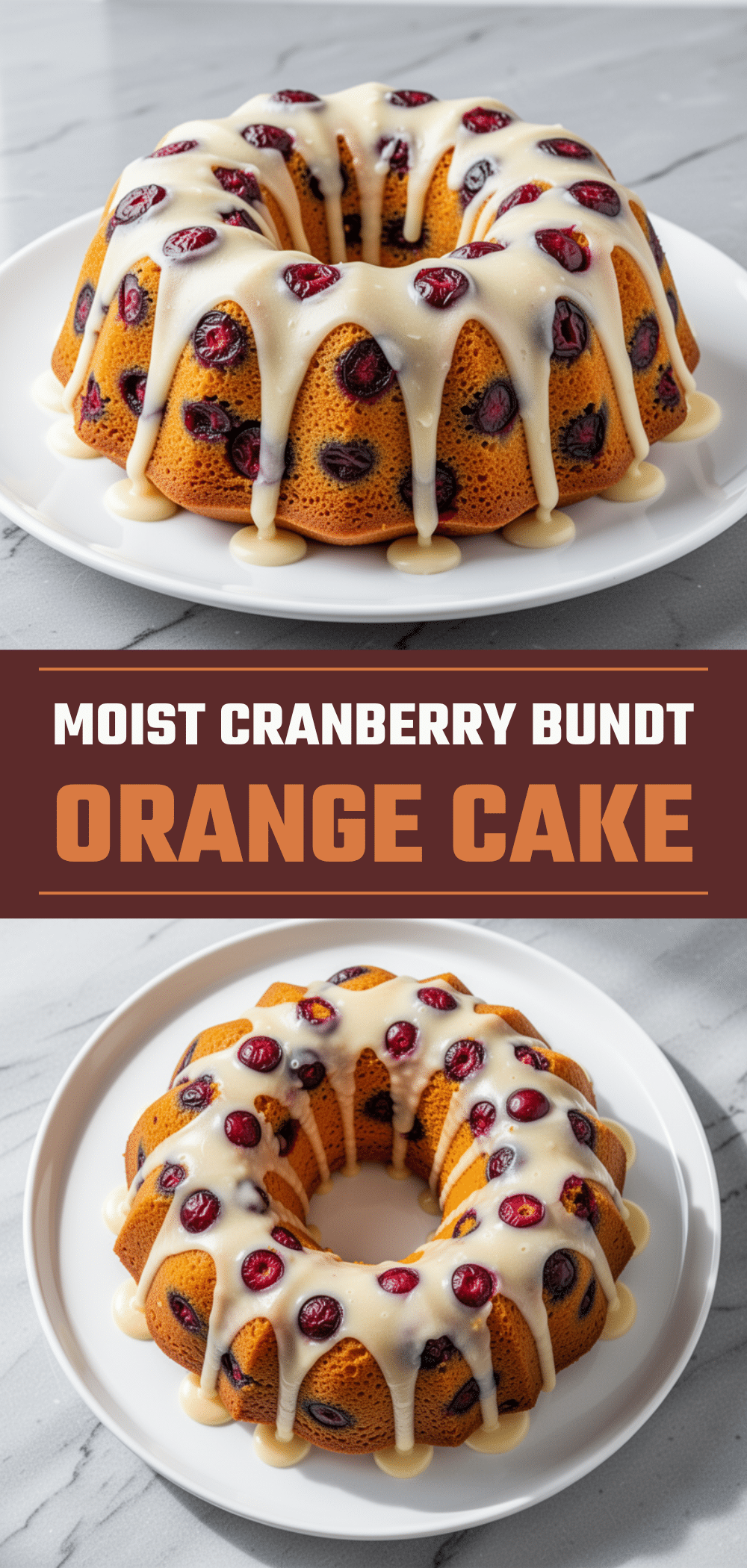
Autumn Cranberry Orange Bundt Cake with Vanilla Cream Cheese Glaze
- Total Time: 1 hour 20 minutes
- Yield: 12 servings 1x
Description
A moist, flavorful Bundt cake featuring bright orange zest and tart cranberries, topped with a rich and tangy vanilla cream cheese glaze. This forgiving recipe is perfect for holiday gatherings or everyday baking.
Ingredients
- 1 cup (226g) unsalted butter, softened
- 1 ½ cups (300g) granulated sugar
- 3 large eggs, room temperature
- 2 teaspoons vanilla extract
- 2 ½ cups (315g) all-purpose flour
- 1 ½ teaspoons baking powder
- ½ teaspoon baking soda
- 1 teaspoon salt
- 1 cup (240ml) buttermilk
- Zest of 2 large oranges (approx. 2 tablespoons)
- ¼ cup (60ml) fresh orange juice
- 1 ½ cups (150g) dried cranberries
- 1 tablespoon flour (for tossing cranberries)
- 4 ounces (113g) full-fat cream cheese, softened
- ¼ cup (57g) butter, softened
- 2 cups (240g) powdered sugar, sifted
- 1 teaspoon vanilla extract
- 1–2 tablespoons milk or cream
Instructions
- Preheat oven to 350°F (175°C). Generously coat a 9-inch Bundt pan with softened butter, ensuring all crevices are covered, then dust with flour, tapping out excess.
- In a medium bowl, whisk together the flour, baking powder, baking soda, and salt. Set aside.
- In a large bowl, beat the softened butter and granulated sugar on medium-high speed until light and fluffy (3-4 minutes).
- Add eggs one at a time, beating well after each addition. Mix in 2 teaspoons of vanilla extract.
- Reduce mixer speed to low. Add dry ingredients in three parts, alternating with buttermilk and orange juice, starting and ending with dry ingredients. Mix until just combined.
- Fold in orange zest and flour-tossed dried cranberries using a rubber spatula.
- Pour batter into prepared pan and smooth top. Bake for 50-60 minutes, or until a wooden skewer inserted into the center comes out clean.
- Let cake cool in pan for 10 minutes, then invert onto a cooling rack to cool completely.
- While cake cools, beat softened cream cheese and ¼ cup butter until smooth. Add sifted powdered sugar, 1 teaspoon vanilla, and 1 tablespoon milk. Beat until smooth and creamy, adding more milk if needed for consistency.
- Pour glaze over completely cooled cake. Let sit for 15 minutes before slicing to allow glaze to set.
Notes
Ensure all ingredients (butter, eggs, cream cheese) are at room temperature for best emulsification. Toss cranberries in flour before folding into batter to prevent sinking. Cool cake completely before glazing to prevent the glaze from melting into the cake. Can be stored at room temperature for up to 4 days.
- Prep Time: 20 minutes
- Cook Time: 50-60 minutes
- Category: Dessert
- Cuisine: American
Nutrition
- Serving Size: 1 slice
- Calories: 420
- Sugar: 42
- Sodium: 280
- Fat: 18
- Saturated Fat: 11
- Carbohydrates: 58
- Fiber: 1
- Protein: 5
Keywords: Bundt cake, cranberry orange cake, cream cheese glaze, autumn dessert, holiday baking, make-ahead dessert


