Last Friday, I was standing in my kitchen at 7:30 PM, staring at my phone with a half-hearted thumb hovering over a delivery app. My husband had just walked in, exhausted, and my toddler was currently attempting to climb the curtains. The mental math was quick and depressing: $35 for takeout, a 45-minute wait, and the inevitable guilt of eating dinner out of a greasy cardboard box while watching the news.
Then I remembered the half-pound of salmon fillets sitting in the fridge, destined for a boring baked dinner, and the bottle of Sriracha I’d bought on a whim three weeks ago. I had honey. I had cornstarch. I had ten minutes before the house descended into chaos.
I threw together what I thought would be a mediocre, quick salmon dinner. Ten minutes later, the kitchen smelled like a high-end Asian fusion restaurant—sweet, spicy, and savory all at once. My husband took one bite, stopped mid-sentence, and said, “Why are we ordering takeout when we can just make this?”
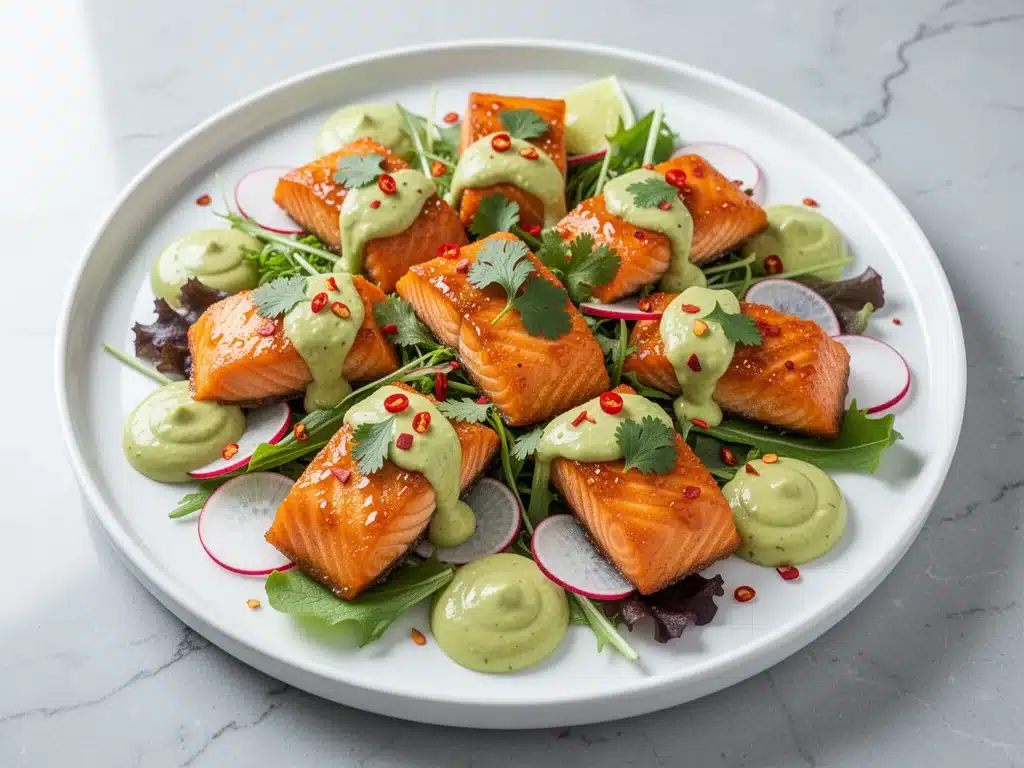
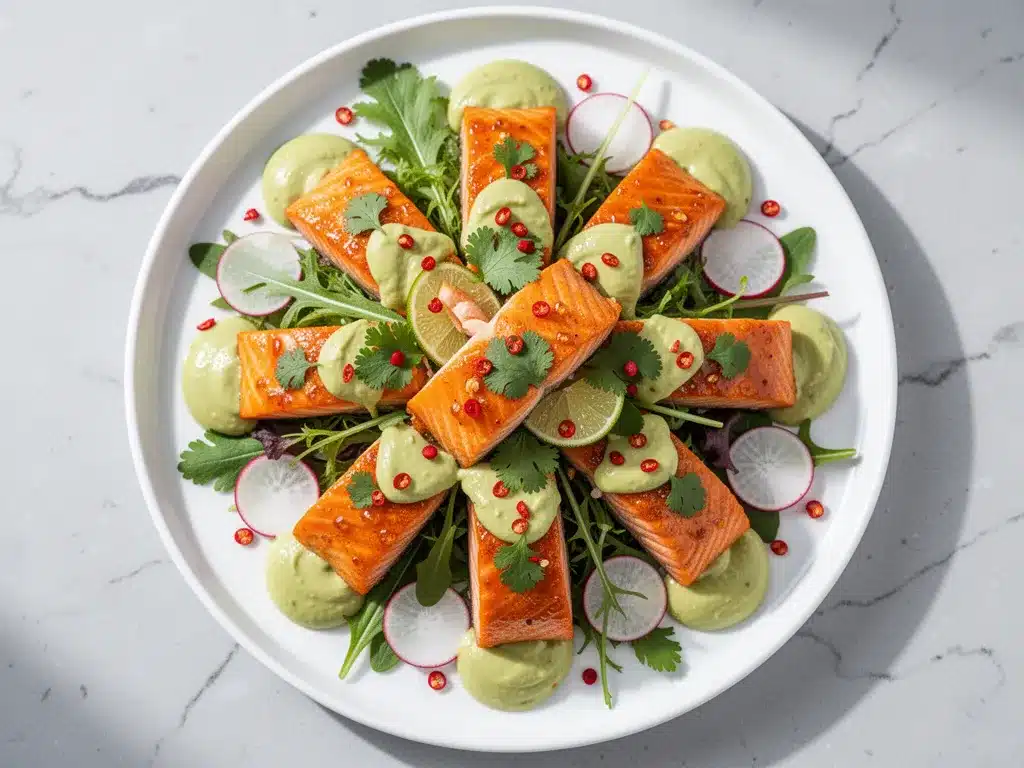
That night, I discovered the magic of Crispy Baked Honey Sriracha Salmon Bites. I’ve made this recipe at least fifteen times since then. I’ve tweaked the spice level, tested different baking temperatures, and even tried swapping the salmon for chicken thighs (which worked, but let’s be honest—salmon is the star here). The result is a dish that is hands-down the best weeknight dinner I know. It’s sweet, it’s spicy, it’s crispy on the outside and flaky on the inside, and it comes together faster than you can wait for a delivery driver to knock on your door.
If you’re tired of dry, bland baked fish or spending a fortune on takeout that never quite hits the spot, this recipe is your answer. It’s easier than you think, requires almost no cleanup, and tastes like you spent hours in the kitchen (even though you didn’t).
Why You’ll Love This Recipe
I know what you’re thinking: “Salmon is tricky. It’s expensive. It’s hard to get crispy.” I used to think that too. But these bites change everything. Here’s why this has become our go-to dinner, even on the craziest nights:
Stupid Simple Prep — Seriously, if you can cut a fillet into cubes and stir a sauce in a bowl, you can make this. I’ve walked my teenage daughter through it over FaceTime while she was at college. No fancy techniques, no special skills required. Just chop, toss, and bake.
Lightning Fast — From start to finish, this takes about 20 minutes. That’s 5 minutes of chopping and mixing, and 15 minutes in the oven. I make this on weeknights when I get home at 6:30 PM and still have time to shower and relax before dinner. It’s the ultimate “I have no energy” meal that doesn’t feel like a compromise.
Crispy Without the Fryer — This is the game-changer. Most baked salmon is soggy. By tossing the bites in a little cornstarch before baking, you get this incredible, restaurant-quality crunch that sticks to the glaze. It’s not deep-fried, so it’s lighter, but it has that same addictive texture. I’ve tried this method on oven-baked chicken breast too, and the cornstarch trick works wonders there as well.
Perfectly Balanced Flavor — The sauce is the real MVP. It’s not just “spicy” and it’s not just “sweet.” It’s that perfect sticky, tangy, umami-packed coating that makes you lick your fingers. The honey balances the heat of the Sriracha, and a splash of rice vinegar adds a brightness that keeps it from being too heavy.
Budget-Friendly — Salmon can be pricey, but buying a single fillet and cutting it into bites stretches it further than you’d think. Plus, you’re using pantry staples for the sauce. It’s cheaper than takeout and healthier than almost any restaurant version. I usually serve this with rice or veggies, so one fillet easily feeds two adults with leftovers for lunch.
This is my answer to “what’s for dinner?” when I’m tired, don’t want takeout, and still want something that tastes really good. My kids are happy (they love the sweet-spicy sauce), my husband’s happy (he loves the fish), and I’m happy because I’m not stressed about cooking.
Ingredients You’ll Need
Here’s the best part: you probably have most of this already in your pantry. The sauce is built on basic condiments, and the salmon is simple. I’m particular about three things here, and I’ll tell you exactly why.
For the Salmon
Salmon Fillets (1.5 pounds / 680g) — Use fresh or thawed frozen fillets. Look for pieces that are relatively uniform in thickness so they cook evenly. I prefer wild-caught sockeye or king salmon for better flavor, but farmed Atlantic works fine too. Cut it into 1-inch cubes. Don’t make them too small, or they’ll dry out.
Cornstarch (2 tablespoons) — This is the secret weapon. It draws out moisture and creates that crispy crust. Arrowroot powder works too, but cornstarch is what I always keep on hand. Don’t skip it!
Neutral Oil (1 tablespoon) — I use avocado oil or grapeseed oil. Olive oil has a lower smoke point and can get bitter at high baking temps. You just need enough to coat the bites and help the cornstarch adhere.
Salt and Black Pepper (to taste) — Simple seasoning. I use about ½ teaspoon of kosher salt and a good crack of pepper. Don’t overdo the salt since the sauce is salty too.
For the Honey Sriracha Glaze
Sriracha Sauce (3 tablespoons) — I use the original Huy Fong brand because of that garlic-chili flavor. If you can’t handle heat, use half the amount or try a milder chili sauce like Gochujang (though the flavor profile will be different). Real talk: Sriracha is versatile. I use it in everything from air-fryer Brussels sprouts to marinades.
Hot Honey (3 tablespoons) — Regular honey works, but hot honey adds a nice kick that complements the Sriracha. If you can’t find it, just mix 1 tablespoon of honey with a pinch of red pepper flakes. The sweetness is crucial to balance the spice.
Rice Vinegar (1 tablespoon) — This adds acidity and cuts through the richness of the salmon. Do not substitute with white vinegar or apple cider vinegar; the flavor will be off. Rice vinegar is mild and slightly sweet.
Soy Sauce (1 tablespoon) — I use low-sodium soy sauce because I like to control the salt level. Regular soy sauce is fine, just reduce the salt in the salmon prep. This adds the umami depth.
Minced Garlic (3 cloves) — Fresh garlic is non-negotiable here. Jarred garlic has a metallic taste that really shows up in a simple sauce like this. Mince it finely so it distributes evenly.
Fresh Ginger (1 teaspoon, grated) — I grate it fresh because it has a bright, spicy punch. Ground ginger is too dusty and earthy for this. If you’re in a rush, you can skip it, but I don’t recommend it. It adds so much complexity.
Green Onions (2 stalks, sliced) — For garnish. They add a fresh, oniony crunch and a pop of color. You can use dried chives if that’s all you have, but fresh is better.
Equipment Needed
You don’t need fancy equipment for this. Here’s what I actually use.
Baking Sheet — I use a standard half-sheet pan (18×13 inches). A rimmed baking sheet is best because it catches any drips. I line mine with parchment paper or aluminum foil for easy cleanup. Seriously, parchment paper is a lifesaver with sticky glazes.
Two Large Bowls — One for tossing the salmon with cornstarch, one for whisking the sauce. I use medium-sized mixing bowls, about 3-4 quarts. Make sure they’re big enough to toss the fish without making a mess.
Pastry Brush — For brushing the glaze onto the salmon. Silicone brushes are great because they’re easy to clean and don’t shed bristles. A regular brush works fine too.
Sharp Knife — For cutting the salmon into cubes. A dull knife will crush the fish. I use my chef’s knife for this.
Box Grater — For the fresh ginger. A microplane works even better if you have one, as it turns the ginger into a fine paste.
Small Whisk — To emulsify the sauce ingredients. Any small whisk will do.
How to Make It: Step-by-Step
Alright, let’s make this! I’m walking you through exactly how I do it, including the little tricks I’ve picked up to ensure your salmon comes out perfectly crispy and not dry.
Step 1: Prep the Salmon (5 minutes)
Preheat your oven to 400°F (200°C). Line a large baking sheet with parchment paper and set it aside. Pat the salmon fillets dry with paper towels. This is important—moisture is the enemy of crispiness. If the fish is wet, it will steam instead of bake.
Cut the salmon into 1-inch cubes. Try to keep them roughly the same size so they cook evenly. Place the cubes in a large bowl. Sprinkle the cornstarch, salt, and black pepper over the salmon. Toss gently but thoroughly until every piece is lightly coated in the white powder. It should look dusty, like it’s been dredged. Drizzle the neutral oil over the top and toss again. The oil helps the cornstarch stick and promotes browning.
Step 2: Make the Sauce (3 minutes)
While the oven heats, whisk together the Sriracha, hot honey, rice vinegar, soy sauce, minced garlic, and grated ginger in a small bowl. Stir until the honey is fully dissolved and the sauce is smooth. Taste it. Does it need more heat? Add another teaspoon of Sriracha. Too spicy? Add a teaspoon more honey. Adjust to your preference.
Step 3: Bake the Salmon (10-12 minutes)
Arrange the salmon bites in a single layer on the prepared baking sheet. Make sure they aren’t touching each other. If they’re crowded, the steam will get trapped and they’ll get soggy. You may need two sheets or to bake in batches if you have a small oven. I usually fit 1.5 pounds on one large sheet if I space them out.
Bake for 10-12 minutes. The salmon is done when it’s opaque and flakes easily with a fork. Watch it closely in the last few minutes—salmon can go from perfect to dry in about 60 seconds. I usually pull it out when it still looks just slightly translucent in the very center, as it will continue to cook a bit from residual heat.
Step 4: Glaze and Broil (2-3 minutes)
Remove the baking sheet from the oven. Brush a generous layer of the Honey Sriracha glaze over the top of each salmon bite. Be careful not to let the sauce drip off the sides, or it will burn on the pan.
Switch your oven to Broil (high). Return the baking sheet to the oven and broil for 2-3 minutes. Watch it like a hawk! You want the glaze to bubble and caramelize slightly, turning a beautiful deep orange-red. It should look sticky and glossy. If your broiler runs hot, keep an eye on it after 1 minute to prevent burning.
Step 5: Garnish and Serve
Remove from the oven. Immediately sprinkle with sliced green onions and a pinch of sesame seeds if you have them. Serve hot. The contrast between the hot, crispy fish and the fresh, cool green onions is amazing.
Total Time: About 20 minutes (5 minutes prep, 15 minutes cooking)
Expert Tips & Tricks
Here’s everything I’ve learned from making this dozens of times. These tips will save you from my mistakes.
Don’t Overcrowd the Pan
This is the #1 reason baked salmon turns out soggy. If the pieces are touching, they steam. Give each bite some space. If you’re baking for a crowd, use two pans. It’s better to do two batches than one soggy one.
Pat the Fish Dry
I know it seems obvious, but I’ve seen so many people skip this. Wet salmon = steamed salmon. Dry salmon = crispy salmon. Use paper towels and really press down on the fillets.
Watch the Broiler Like a Hawk
Broilers are powerful. The sugar in the honey can burn very quickly. Set a timer for 2 minutes. Check it. If it’s getting dark too fast, pull it out. It’s better to under-caramelize slightly than to have bitter, burnt honey.
Use a Heavy Brush
Don’t be shy with the glaze. Brush it on thick. The sauce needs to cling to the fish to create that sticky coating. If you use too little, it’ll just taste like baked fish with a hint of spice.
Room Temperature Ingredients
If your honey is solidified, warm it up slightly before mixing the sauce. Cold honey is hard to whisk into the other ingredients. Microwave it for 10 seconds.
Common Mistakes:
Mistake: Salmon is dry. Fix: You baked it too long. Salmon cooks quickly. Check it at 8 minutes. It should be just opaque.
Mistake: Sauce is too runny. Fix: You didn’t broil it long enough. The broiling step reduces the sauce slightly and makes it sticky. Give it that extra minute under the broiler.
Mistake: Sauce is too spicy. Fix: Next time, reduce the Sriracha to 2 tablespoons or add a splash more honey.
Variations & Substitutions
Once you’ve nailed the basic version, here’s how you can mix it up. I’ve tried all of these.
Spicy Mayo Drizzle
After baking, mix 2 tablespoons of mayo with 1 teaspoon of Sriracha and drizzle it over the top. This adds a creamy, cooling element that balances the heat. It’s like a poke bowl vibe.
Teriyaki Twist
Swap the Sriracha for 2 tablespoons of teriyaki sauce and keep the honey. This makes it sweeter and less spicy. Great for kids who don’t like heat.
Garlic Butter Version
Replace the soy sauce and vinegar with 2 tablespoons of melted butter and 2 extra cloves of garlic. This is richer and more Western-style.
Gluten-Free
Use tamari instead of soy sauce. Everything else is naturally gluten-free. I use tamari and it tastes identical.
Dairy-Free
This recipe is already dairy-free! Just make sure your Sriracha and honey are certified if you have strict allergies (some honeys are processed with animal products, though rare).
Vegetarian Swap
You can use firm tofu instead of salmon. Press the tofu, cut it into cubes, and follow the same steps. The cornstarch helps it get crispy too. It’s not the same texture, but it’s delicious.
Serving & Storage
How to Serve:
I usually serve this straight from the baking sheet at the dinner table—it looks rustic and stays warm. But here are other ways I’ve enjoyed it:
Side Dishes:
– Jasmine rice or fried rice (the sauce is amazing over rice)
– Steamed broccoli or green beans
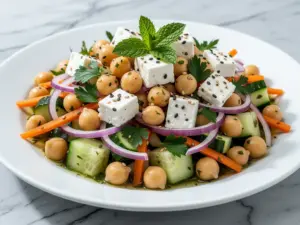
– A simple cucumber salad (try my crisp cucumber tomato feta salad for a refreshing contrast)
– Quinoa for a grain bowl
Toppings Bar:
When I have guests, I put out: sliced green onions, sesame seeds, chili flakes, and lime wedges. Everyone customizes their bowl.
Storage Instructions:
Refrigerator: Store in an airtight container for up to 3 days. The salmon will absorb the sauce, so it might get softer. That’s okay—it still tastes good.
Reheating: Best method: Reheat in a skillet over medium heat for 2-3 minutes to crisp it back up. Microwave works but makes it chewy. If you microwave, do it in 30-second bursts.
Freezing: I don’t recommend freezing this. The texture of the salmon changes after freezing and thawing, and the sauce can separate. Make it fresh whenever you can.
Nutrition Information
I’m not a nutritionist, but here’s the breakdown if you’re tracking.
Per serving (based on 4 servings, without sides):
- Calories: 280
- Protein: 25g
- Carbs: 18g
- Fiber: 0g
- Sugar: 16g
- Fat: 12g
- Saturated Fat: 2g
- Cholesterol: 65mg
- Sodium: 450mg
What’s Good: High protein, rich in Omega-3s. Low carb (if you skip the rice).
What to Know: Higher in sugar from the honey and Sriracha. Moderate sodium. If you’re watching sugar, reduce the honey to 1 tablespoon.
Final Thoughts
So that’s my go-to Crispy Baked Honey Sriracha Salmon Bites! I’ve probably talked your ear off at this point, but when you make a recipe this often, you have a lot to say about it.
This has saved weeknight dinners more times than I can count. It’s my answer to “what’s for dinner?” when I’m tired, don’t want takeout, and still want something that tastes really good. My kids are happy, my husband’s happy, and I’m happy because I’m not stressed about cooking.
Make it yours! Try different add-ins, swap in your favorite vegetables, adjust the garlic (though more is always better in my opinion). The best recipes are the ones you adapt to your family’s tastes.
If you make this, drop a comment and let me know what you think! I love hearing how recipes turn out in your kitchen. And if something doesn’t work, tell me that too—I’m here to help troubleshoot.
Happy cooking! And I hope your kitchen smells half as good as mine does right now.
Frequently Asked Questions
Q: Can I use frozen salmon?
A: Yes, but it must be completely thawed and patted very dry. Frozen salmon releases a lot of water, which can make the cornstarch clumpy and the fish steam instead of bake. If you’re in a rush, thaw it in cold water for 20 minutes, then dry it thoroughly.
Q: My sauce didn’t get crispy—what happened?
A: Usually means you didn’t broil it long enough, or you overcrowded the pan. Make sure you give the bites space on the sheet, and don’t skip the broiling step. The broiler is what caramelizes the sugar and creates the sticky crust.
Q: Can I make this in an air fryer?
A: Absolutely! Preheat your air fryer to 375°F. Cook the salmon bites for 6-8 minutes, shaking the basket halfway through. Brush with sauce at the 6-minute mark and cook for another 2 minutes. It works great and is even faster.
Q: How spicy is this recipe?
A: It’s medium heat. With 3 tablespoons of Sriracha, it has a noticeable kick but isn’t painful. If you’re sensitive to spice, reduce to 1 tablespoon. If you love heat, add a teaspoon of chili flakes or use extra hot Sriracha.
Q: Can I prep this ahead of time?
A: You can cut the salmon and make the sauce up to 4 hours ahead. Store them separately in the fridge. Don’t toss the salmon in cornstarch until you’re ready to bake, or it’ll get soggy. Mix it right before cooking.
Q: What kind of rice goes best with this?
A: Jasmine rice is my favorite because it’s fragrant and slightly sticky, which helps it hold the sauce. Fried rice is also amazing if you have leftovers. For a lighter option, cauliflower rice works well too.
Q: Can I substitute the honey?
A: Maple syrup works, but it has a stronger flavor that might clash with the ginger. Agave nectar is a neutral substitute and works similarly to honey. I don’t recommend artificial sweeteners as they don’t caramelize the same way.
Pin This Recipe!
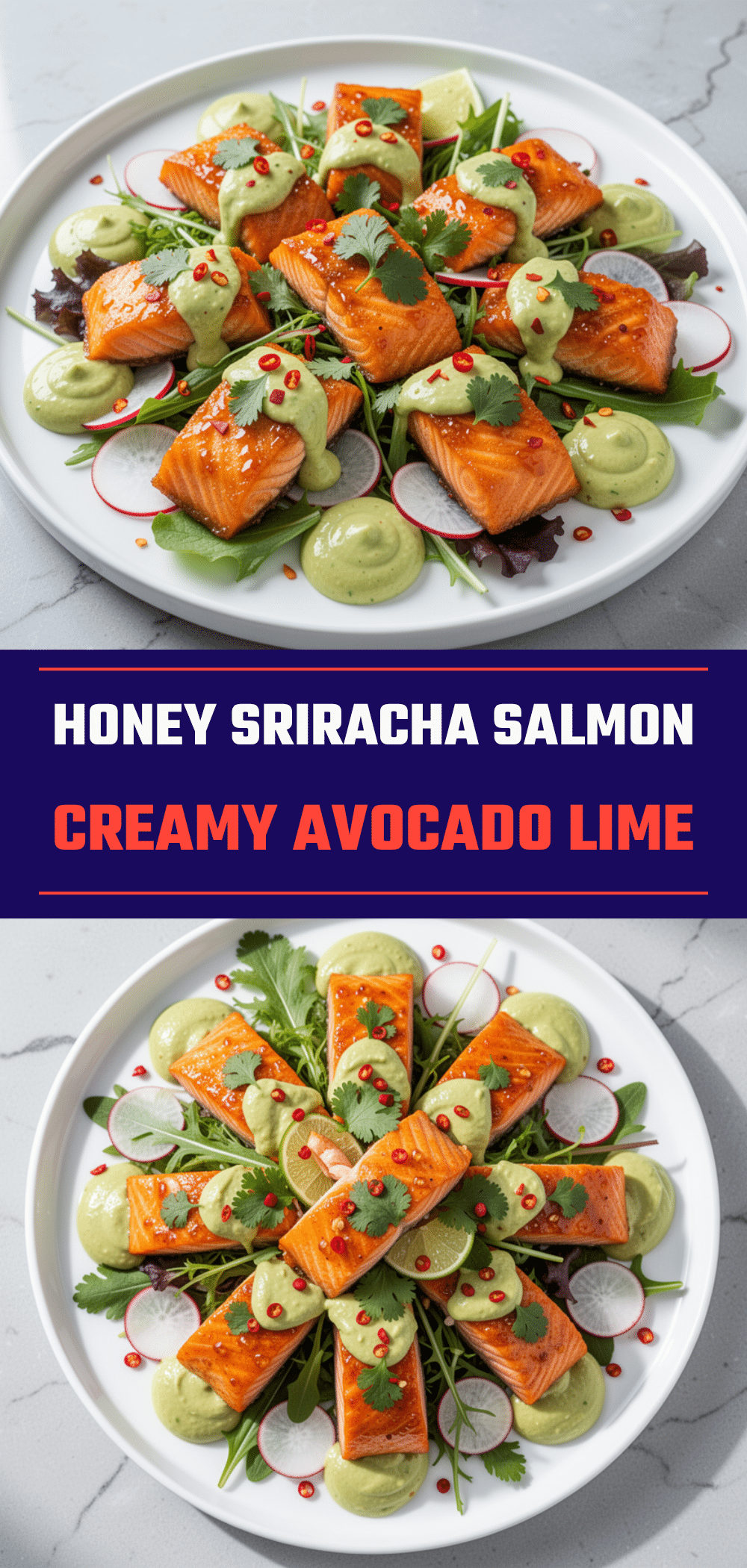
Crispy Baked Honey Sriracha Salmon Bites: Best Takeout Copycat
- Total Time: 20 minutes
- Yield: 4 servings 1x
Description
A quick and easy weeknight dinner featuring crispy, baked salmon bites coated in a sweet, spicy, and savory honey Sriracha glaze. This copycat takeout recipe is ready in just 20 minutes and requires minimal cleanup.
Ingredients
- 1.5 pounds salmon fillets, cut into 1-inch cubes
- 2 tablespoons cornstarch
- 1 tablespoon neutral oil (avocado or grapeseed)
- 1/2 teaspoon kosher salt
- Black pepper, to taste
- 3 tablespoons Sriracha sauce
- 3 tablespoons hot honey (or regular honey with red pepper flakes)
- 1 tablespoon rice vinegar
- 1 tablespoon low-sodium soy sauce
- 3 cloves garlic, minced
- 1 teaspoon fresh ginger, grated
- 2 stalks green onions, sliced (for garnish)
- Sesame seeds (optional, for garnish)
Instructions
- Preheat oven to 400°F (200°C). Line a large baking sheet with parchment paper.
- Pat salmon fillets dry with paper towels to ensure crispiness.
- Cut salmon into 1-inch cubes and place in a large bowl.
- Sprinkle cornstarch, salt, and black pepper over the salmon. Toss gently until pieces are lightly coated and look dusty.
- Drizzle neutral oil over the salmon and toss again to help the cornstarch adhere.
- In a small bowl, whisk together Sriracha, hot honey, rice vinegar, soy sauce, minced garlic, and grated ginger until smooth.
- Arrange salmon bites in a single layer on the prepared baking sheet, ensuring they are not touching.
- Bake for 10-12 minutes until salmon is opaque and flakes easily with a fork.
- Remove from oven and brush a generous layer of the honey Sriracha glaze over each bite.
- Switch oven to Broil (high). Return to oven and broil for 2-3 minutes, watching closely, until glaze bubbles and caramelizes.
- Remove from oven, sprinkle with sliced green onions and sesame seeds if desired, and serve immediately.
Notes
Pat the salmon dry before coating to ensure crispiness. Do not overcrowd the pan, as this causes steaming instead of baking. Watch the broiler closely as the sugar in the honey can burn quickly. For a gluten-free version, use tamari instead of soy sauce. This recipe is also dairy-free.
- Prep Time: 5 minutes
- Cook Time: 15 minutes
- Category: Main Course
- Cuisine: Asian Fusion
Nutrition
- Serving Size: Approximately 1/4 of
- Calories: 280
- Sugar: 16
- Sodium: 450
- Fat: 12
- Saturated Fat: 2
- Carbohydrates: 18
- Protein: 25
Keywords: salmon bites, honey sriracha salmon, baked salmon, healthy dinner, quick recipes, copycat takeout, gluten-free options, dairy-free